
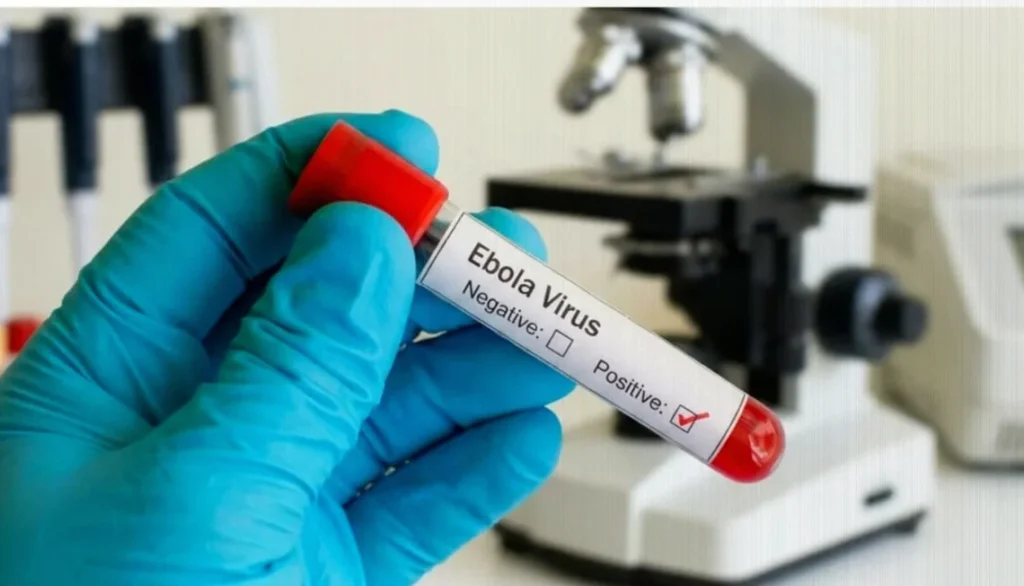
Nigeria’s disease-control agency has said two suspected Ebola Virus Disease cases in Adamawa State were cleared after undergoing two separate rounds of laboratory analysis, leaving the previously identified Bundibugyo Ebola infection in the Federal Capital Territory as the country’s sole confirmed case.
Dr Jide Idris, director-general of the Nigeria Centre for Disease Control and Prevention, said Adamawa State’s Public Health Emergency Operations Centre was alerted to the suspected infections in the early hours of October 30, 2026.
The two people showed symptoms consistent with Ebola and were placed in isolation immediately while health officials began inquiries and implemented precautionary protocols.
“Fortunately, the samples turned out negative for EVD after two rounds of testing,” Idris said.
He said Adamawa had not recorded any laboratory-verified Ebola infection and praised the state authorities for responding swiftly.
“At this juncture, I wish to commend the efforts of the Adamawa State’s Commissioner for Health and his team for their proactive approach. NCDC will continue to provide appropriate technical support to the Adamawa State Government to strengthen their response operations,” he said.
The alert followed increased health surveillance after a traveller arriving in Nigeria from Uganda was confirmed to have contracted the Bundibugyo strain of Ebola in Abuja.
Reports of the possible Adamawa cases had fuelled concern that the disease could be spreading, leading both federal and state health agencies to launch investigations and deploy preventive measures.
However, the NCDC said the test findings excluded Ebola infection in both individuals.
Idris appealed to Nigerians not to panic or circulate unsubstantiated reports about the public-health situation.
“We urge members of the public to remain calm and avoid sharing unverified information or speculation about the situation. The public is encouraged to obtain information from official government and public health communication channels,” he said.
The NCDC chief said Ebola is a severe infectious illness that requires rapid detection, proper patient care and strong infection-prevention and control procedures.
He advised people with fever, extreme weakness, headaches, muscle aches, vomiting, diarrhoea or unexplained bleeding—especially those who may have been exposed—to obtain urgent medical care and provide health workers with relevant travel and contact details.
“Individuals should avoid self-medication and follow the advice of healthcare professionals,” Idris said.
He said the NCDC would keep monitoring developments with the Adamawa State Government and other relevant bodies, issuing further updates once information has been verified.
The agency said it remains focused on safeguarding public health through prompt case detection, evidence-led action, open communication and a coordinated national response.