Lucy Eyo, a civil society advocate and communications specialist in Akwa Ibom State, has called on the state government to make gender-responsive budgeting a core feature of every annual fiscal plan.
She said this approach would better respond to the distinct and urgent requirements of women, girls and other vulnerable populations, particularly in health and education.
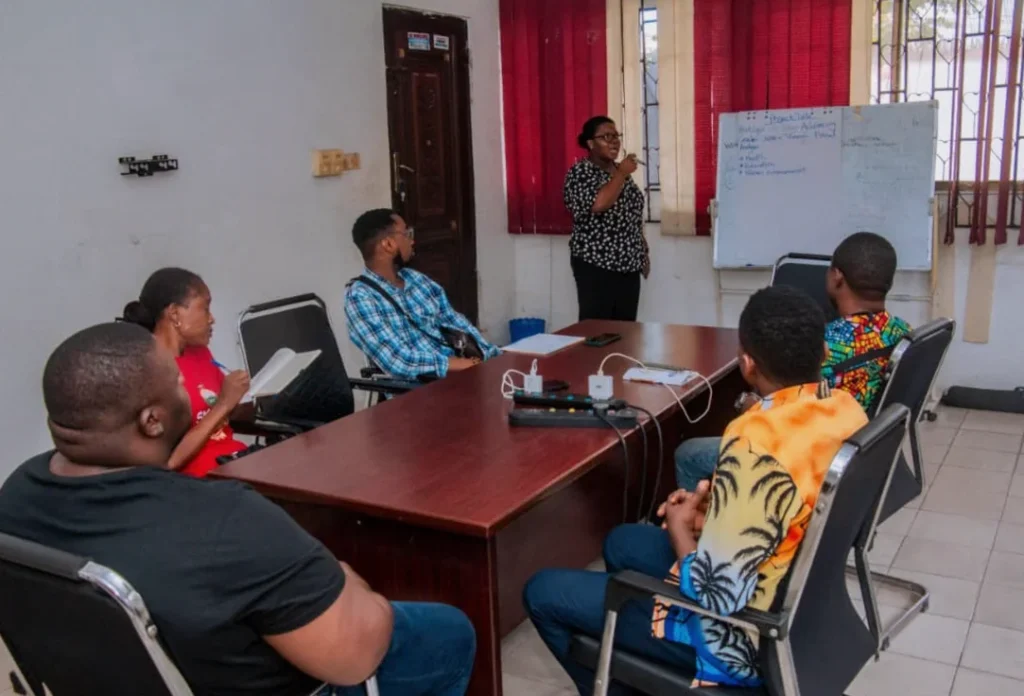
Eyo made the call on Friday in Uyo at the launch of a project, “Budgets as Policy: Advancing Gender Justice through Fiscal Analysis,” which is backed by the Nigerian Youth Futures Fund (NYFF).
Her review of Akwa Ibom’s 2023-2025 budgets found what she described as an ongoing pattern of fiscal planning that does not sufficiently account for gender. She said the shortfall has weakened access to healthcare and educational services for women and girls.
“In 2023, ₦4.16 billion was assigned to the Ministry of Women Affairs and Social Welfare, but just 36 per cent—about ₦1.5 billion—was ultimately utilised, highlighting a structural disconnect between budget promises and actual delivery. Key responses to gender-based violence, such as trauma centres, rape referral facilities and shelters, were allocated very limited capital funding.
“Although education appropriations have risen in nominal terms over the years, there is still no earmarked financing for programmes targeted at girls. Of the 15,200 children out of school at secondary level, at least 14,200 are girls, yet existing budget provisions do not adequately respond to that emergency.
“The revised 2025 budget, valued at ₦1.65 trillion, places emphasis on infrastructure and capital spending. However, there are no publicly available gender-disaggregated indicators for health or education expenditure, leaving no clear way to determine whether women and girls are receiving equitable benefits.
“These shortcomings present a strong case for gender-responsive budget scrutiny and a policy brief grounded in evidence to strengthen advocacy and accountability.”
Explaining the project’s scope, Eyo said it would review allocations across sectors and spending priorities, monitor expenditure patterns, pinpoint financing shortfalls in essential social services and evaluate how far gender concerns are incorporated into the state’s budget process.
“The assessment will give particular attention to women’s empowerment, education, water, sanitation and hygiene (WASH), and healthcare,” she said.
Eyo said the project’s results would be presented to government officials, civil society groups, media professionals and other relevant stakeholders to encourage policy discussions on public financial management based on evidence.