
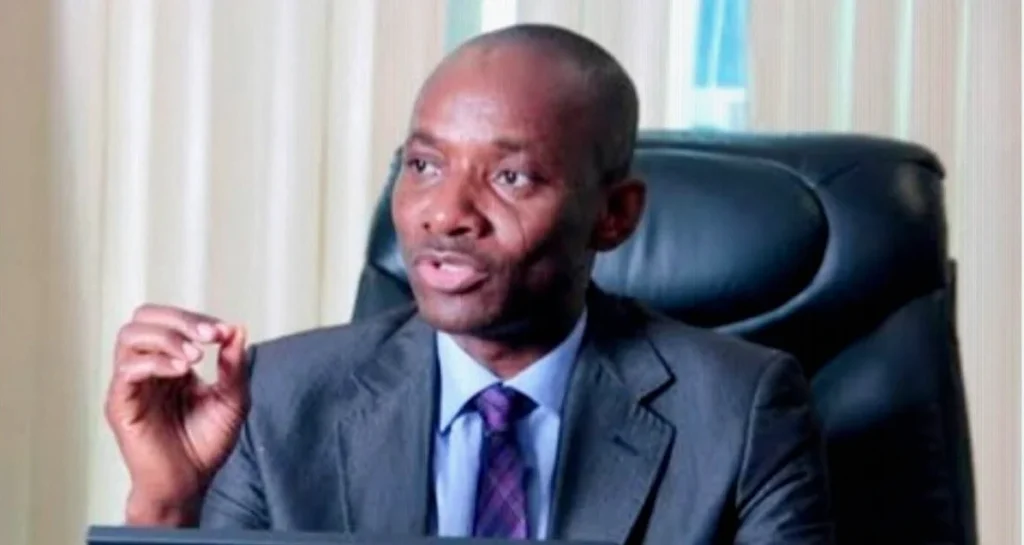
Dr Sam Amadi, director of the Abuja School of Social and Political Thought, said President Bola Tinubu should not be held responsible for disputes over the voter register recently issued by the Independent National Electoral Commission, or INEC.
Amadi said any alleged flaws in the register fall within INEC’s mandate and that Tinubu, as a political contestant, should be assessed on the same basis as other candidates rather than asked to intervene in the electoral body’s work.
Quick facts
- Amadi says INEC, not President Tinubu, must resolve claims of irregularities in the voter register.
- He describes the register as the core record underpinning credible elections and the BVAS system.
- He wants INEC to commission an independent audit, apologise to citizens and publish a timetable for correcting and validating the data.
- Concerns include reported jumps in registration at certain polling units from roughly 400 voters to 1,500, as well as questions over the total of 103 million registered voters.
- He says engineering and accounting professional groups could assist with a non-partisan review.
In an Arise News interview, Amadi said political parties should play a central role in challenging and scrutinising the register. He described the voter roll as the most important institutional document for ensuring a credible election, noting that it is the database on which the Bimodal Voter Accreditation System, BVAS, operates.
“The first step should be for the INEC chairman to come out and say that there will be an independent audit,” he said. “This is not something for the president. The president is a competitor, so he should not be asked to do anything.”
He added that any failure by the regulator must be addressed by the regulator itself. “It is not the president’s fault. The president is evaluated like every other competitor. If the regulator has made a mess, the regulator should fix it,” Amadi said.
INEC is responsible for supervising the full electoral process in Nigeria, including the conduct of both permanent employees and temporary election personnel, he said.
Amadi warned that the dispute could damage increasing public interest in voting, particularly among younger Nigerians. He said participation had been gaining momentum, with more citizens willing to cast ballots and voter apathy declining.
But the latest allegations risk eroding trust in the system ahead of the next general election, he said. INEC must avoid actions or failures that could deepen public suspicion of the process.
He said the current INEC leadership began its term in challenging conditions, especially because confidence in the commission was already under pressure. Restoring institutional credibility should therefore be a central objective, he said.
Amadi urged the commission to take ownership of the controversy, issue an apology to Nigerians and set out a specific timetable for cleaning, reviewing and confirming the voter register.
He pointed to allegations of unusually large increases in voter numbers at certain polling units, including reported rises from around 400 registered voters to 1,500. He also cited concerns over whether the national total of 103 million registered voters is credible.
The political analyst said INEC should consider an independent review of its technology, systems and procedures. Political parties should press for an open, professional and politically neutral examination, he said, with organisations such as the Nigerian Society of Engineers and the Association of National Accountants of Nigeria potentially contributing to the process.