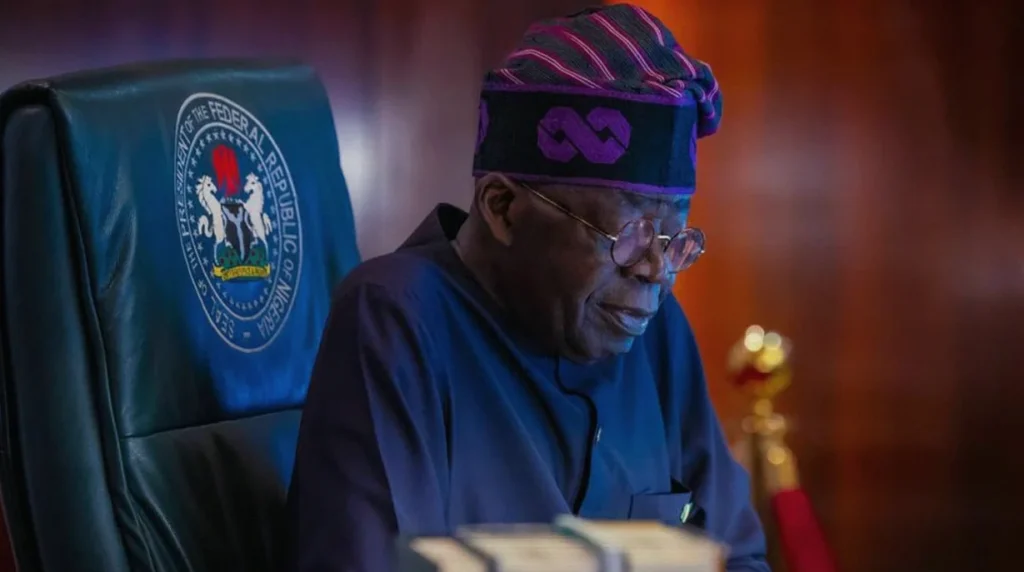
Economic and financial analyst Emmanuel Kelvin has challenged President Bola Tinubu’s request for fresh external financing of $20.5 billion and €1.45 billion, questioning the need for additional debt at a time of elevated oil prices.
Speaking on Channels Television, Kelvin said crude oil at $145 a barrel should substantially lift Nigeria’s public revenue through higher export earnings.
Quick facts
- The proposed supplementary financing totals $20.5 billion and €1.45 billion.
- The funds are intended for infrastructure, agriculture and education.
- Kelvin cited crude oil prices of $145 per barrel as a potential source of increased government income.
- Opposition figures and media commentators have also criticised the proposed borrowing.
The request has stirred controversy because the planned loans are intended to support infrastructure development, agriculture and education despite the prospect of stronger oil-related receipts.
Kelvin said the administration needed to explain why it was turning to foreign borrowing when higher crude prices should add to revenue available to the Federal Government.
“If crude oil prices are this high and you are expected to receive more revenue from them, why borrow $20 billion for infrastructure, agriculture and education? Something does not add up,” he said.
The supplementary package consists of $20.5 billion alongside €1.45 billion in proposed financing.
The plan has drawn pushback from Nigerians, including opposition political leaders. Atiku Abubakar of the African Democratic Congress, or ADC, has urged the Senate to seek detailed clarification from the Tinubu administration before approving the request.
Arise Television presenter Oseni Rufai has also criticised President Tinubu’s latest loan proposal.