
Financial analyst Kalu Aja has identified the absence of meaningful relief measures as the central weakness in President Bola Ahmed Tinubu’s economic reform programme. In a Saturday post on X, he said the decisions to end the petrol subsidy and allow the naira to trade more freely against the US dollar in 2023 were necessary, but argued that the government failed to protect households and businesses from the immediate shock.
Aja said the administration implemented the reforms and then effectively stopped responding, leaving Nigerians without adequate palliatives or a buffer against higher living costs. In his view, removing the subsidy on Premium Motor Spirit and liberalising the currency market was justified, but the lack of follow-up support turned otherwise sound policies into a severe burden for the public.
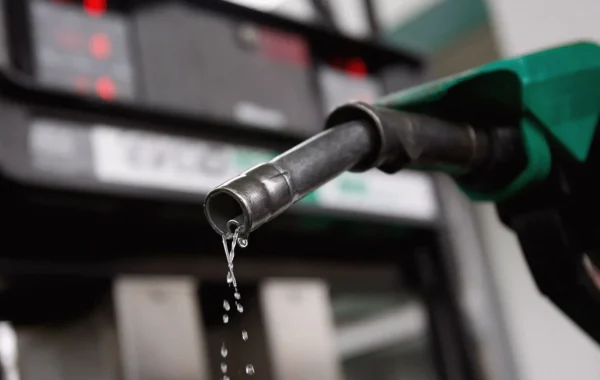
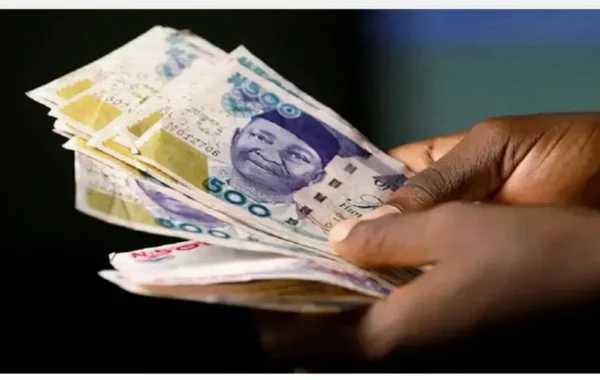
The Tinubu government took both steps in May and June 2023, ending the fuel subsidy and floating the naira. Their effects have continued to spread through household budgets and the wider Nigerian economy. Petrol now sells for roughly N1,300 to N1,335 per litre, while the exchange rate stands at about N1,368 to the dollar. Those figures compare with N238 per litre for petrol and N464 per dollar in May 2023.