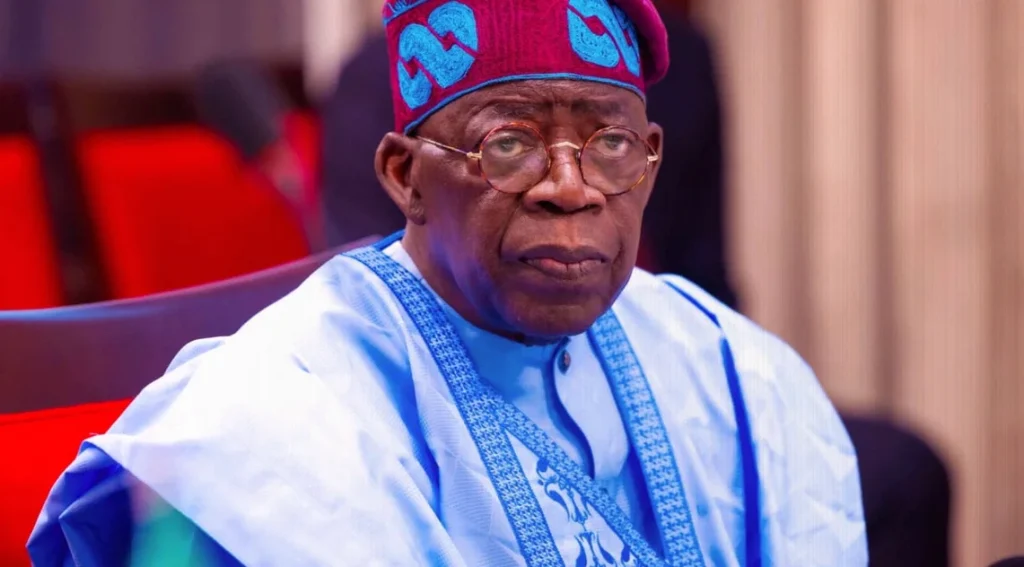
Nigerians have yet to experience the full gains of President Bola Tinubu’s economic programme because major measures, especially the end of the petrol subsidy, have produced immediate hardship before their longer-term effects can emerge, public affairs analyst Marcel Ngogbehei said.
Key takeaways
- Marcel Ngogbehei said Tinubu inherited deeply rooted economic problems after years of policy neglect.
- He argued that the government faced a choice between postponing the crisis or pursuing difficult corrective measures.
- The removal of fuel support has been a significant source of near-term pressure on households and businesses.
- Ngogbehei said the reforms are intended to improve Nigeria’s economic outlook over time.
- Tinubu Support Group coordinator Ibrahim Said Uba urged opposition figures to give factual appraisals of the policy changes.
Reforms seen as a response to inherited pressures
Speaking to journalists in Abuja on Tuesday, Ngogbehei, a former coordinator of the Obidient Movement, said the Tinubu administration took office amid complicated economic difficulties that had built up over many years.
He said the President could either have maintained the previous approach, including continued money creation and leaving the consequences to a future government, or taken politically difficult action to confront the country’s structural weaknesses.
“This is partly because of the immediate effects of the reforms,” Ngogbehei said. “He had two choices: continue printing money through his tenure and pass the issue to whoever comes next, or make the bold decision to reform. Nigerians will feel it in the short term, but over the longer term it is for the country’s good.”
Ngogbehei said substantial work remains necessary in several areas of the economy. In his view, the reforms were unavoidable because Nigeria had allowed crucial challenges to go unaddressed for an extended period.
“There are areas in which we all understand that much still needs to be done,” he said. “Nigeria has ignored these matters for a very long time.”
Support group calls for scrutiny based on facts
Ibrahim Said Uba, coordinator of the Tinubu Support Group, called on opposition politicians to present what he described as honest evaluations of the administration’s economic measures.
He specifically challenged former Vice President Atiku Abubakar of the African Democratic Congress, or ADC, and other opposition leaders to avoid what he termed propaganda and misinformation when discussing the government’s reform agenda.