
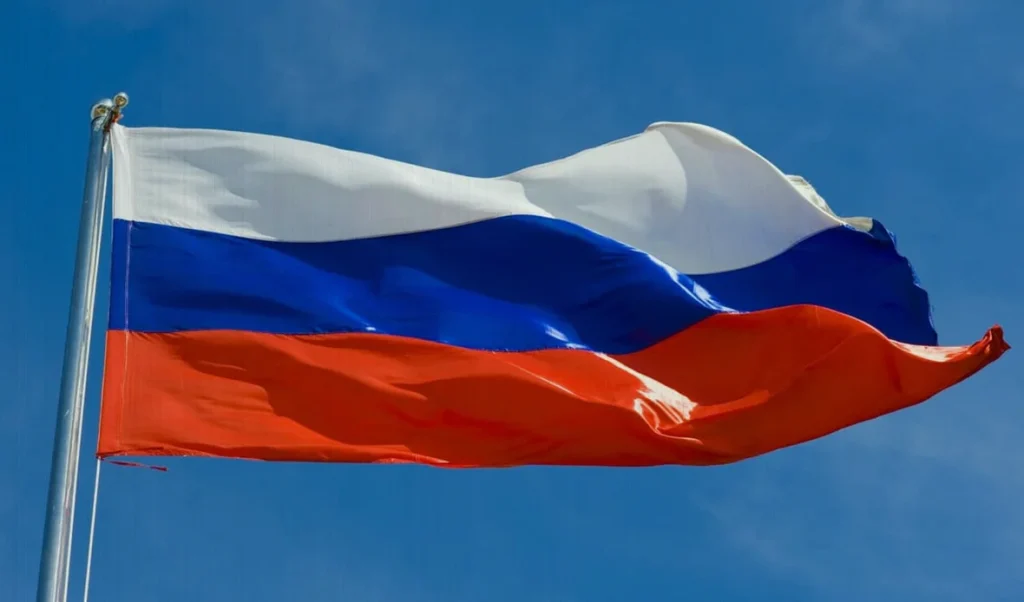
The Centre for Innovation and Technology (CITE) has called on African heads of state due to attend the Third Russia–Africa Summit in Moscow on October 28 and 29, 2026 to confront reports that African nationals have been drawn into the Russia–Ukraine war through misleading employment offers.
Allegations of deceptive recruitment
In a statement issued by Media Centre Director Zenzele Ndebele, the Bulawayo-based accountability journalism organisation said some African citizens went to Russia expecting civilian jobs in areas including private security, transport driving and factory employment, but were instead enlisted for the conflict.
CITE said recruits and relatives had described being handed employment agreements in Russian after arriving in the country, leaving them unable to understand the terms. It said passports and phones were allegedly taken from workers before they were deployed to combat zones following roughly two weeks of military preparation.
The alleged recruitment practices have left relatives trying to trace family members who disappeared, mourning those whose deaths have been confirmed, and seeking intervention from their national governments.
- Zimbabwe’s government said in March 2026 that 15 Zimbabwean nationals had died after being recruited into the war.
- It also said that 66 Zimbabweans remained in Russia at that time.
- Thousands of African nationals have reportedly been recruited across the continent.
“Families want to know whether their relatives are alive, where they are and when those who died will be returned for burial,” Ndebele said. “We hope our leaders will take up these concerns with their Russian counterparts in Moscow.”
Zimbabwean families seek DNA results and repatriation
CITE welcomed steps taken by Zimbabwe’s Ministry of Foreign Affairs and International Trade to establish the status of citizens reported missing or dead. On October 13 and 14, the ministry obtained DNA samples in Bulawayo from relatives of Zimbabweans believed to have disappeared or died in the war. Families travelled from several parts of the country to take part.
“Families are now asking when the results will be available and when the bodies of those who died will be returned to Zimbabwe,” Ndebele said.
Cases reported across African countries
The issue extends beyond Zimbabwe, CITE said, pointing to comparable cases involving citizens of Kenya, Uganda, Cameroon, South Africa, Nigeria and other African states.
- More than 30 Kenyan families gathered in Nairobi on October 6 and appealed to President William Ruto to raise the matter during the Moscow summit.
- Uganda’s Parliament debated the issue on October 15.
- Cameroon has confirmed the deaths of 16 of its citizens. In August, affected families formed a group called “Bring Back Our Sons and Brothers” to press for information about their relatives.
CITE also referred to a September 2026 Amnesty International assessment that concluded the recruitment of foreign nationals for the war could in many instances constitute human trafficking because of the cross-border networks used to move and recruit people.
The organisation said coordinated action by African governments would give them greater leverage in addressing the issue.
Call for coordinated action with Russia
While recognising that Russia has long-standing diplomatic relationships with African states, CITE said those ties should not stop governments from raising difficult concerns with Moscow.
It urged leaders attending the summit to work with Russian officials on a series of measures:
- Investigate recruitment networks alleged to be using fraudulent job advertisements to draw Africans into Russia.
- Determine the location and condition of missing, detained and deceased African nationals.
- Provide available records to the governments of affected citizens.
- Arrange the safe departure of Africans who want to leave Russia.
- Return the remains of those killed to their home countries.
- Create a dependable process for governments to give verified updates to affected families.
CITE said the African Union and its member countries could reinforce the response by agreeing on a shared position. “We hope the summit will provide answers for families and produce clear commitments,” the organisation said, adding that it would continue documenting the cases.
CITE is an accountability journalism group headquartered in Bulawayo, Zimbabwe. It covers the Matabeleland region, national developments and Zimbabweans abroad through its website and social-media channels, including Facebook, TikTok, YouTube, X, WhatsApp and Instagram.