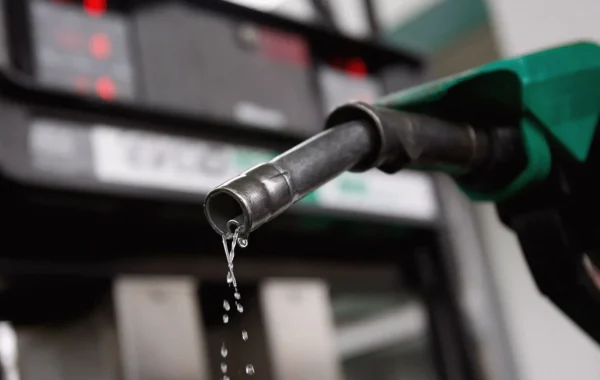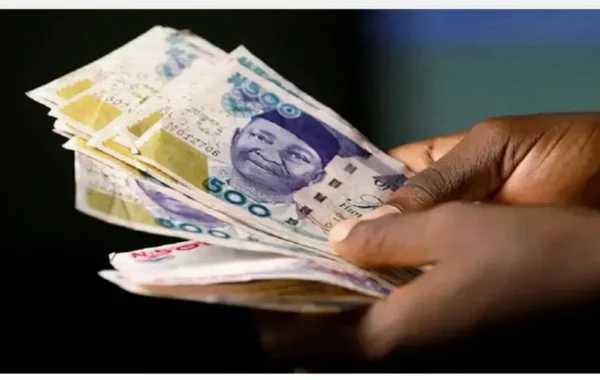
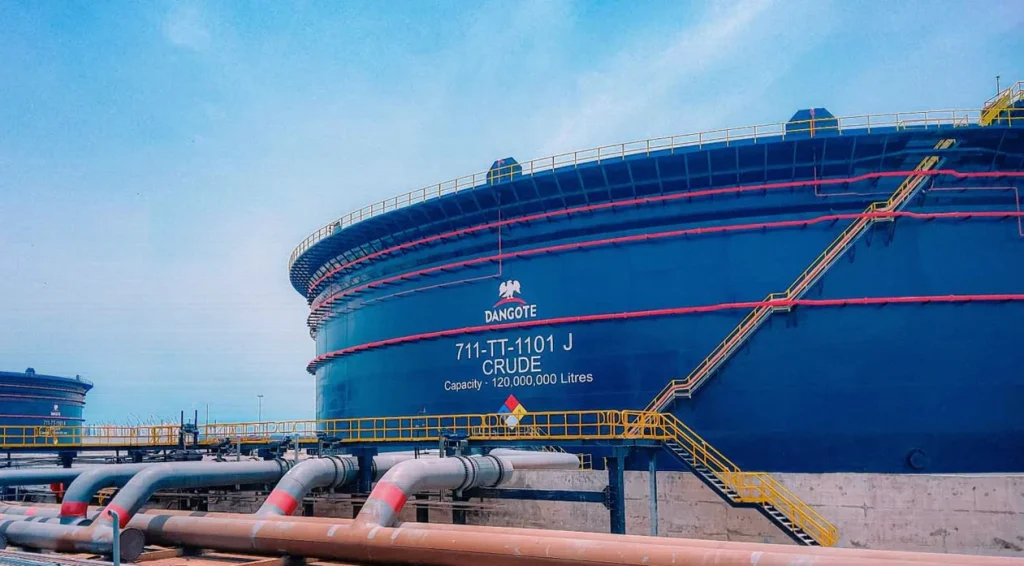
Dangote Petroleum Refinery & Petrochemicals is extending its no-charge distribution programme to Kano, Imo, Anambra and Nasarawa, a move intended to ease supply costs for independent fuel retailers and potentially support cheaper petrol at Nigerian filling stations.
Key takeaways
- The programme now covers four additional states after initially serving Lagos, Ogun, Rivers, Kaduna, Abuja and Delta.
- Dangote Refinery will absorb delivery expenses, reducing the capital and logistics burden on independent marketers.
- IPMAN says shorter delivery routes could improve marketers’ cash flow and create room for lower pump prices.
- The marketers’ group wants the scheme extended to more parts of Nigeria, especially the northern states.
- The initiative comes as the 700,000-barrel-per-day refinery expands its role in domestic and international refined-product markets.
Delivery expansion targets distribution costs
The refinery announced the wider coverage on Sunday, saying that bringing petrol and other products closer to marketers and retailers should remove the expense of moving supplies across long distances. By paying for delivery itself, the company is taking on a major cost embedded in Nigeria’s downstream fuel-distribution system.
Fatima Aliko Dangote, group executive director for commercial operations covering oil and gas, WAEP and fertiliser, said the gains from refining crude locally should reach companies and households rather than stop at the refinery. She said the company’s decision to cover delivery charges was intended to remove a substantial part of the distribution burden, improve the efficiency of fuel supply and give lower retail prices a chance to pass through the value chain.
The Independent Petroleum Marketers Association of Nigeria welcomed the expansion. Chinedu Ukadike, its national publicity secretary and public relations officer, said the arrangement could relieve both the financial strain and the practical difficulties faced by independent operators.
He said marketers often commit large sums to buying products, only to wait days or weeks for their orders to be loaded and transported. In his view, maintaining the programme would reduce the hardship caused by such delays and help operators recover the use of their funds sooner.
Ukadike said Dangote’s system means marketers’ money should remain immobilised for less time, improving liquidity and allowing businesses to put capital to work more productively. He added that the response among marketers had been highly positive and that faster access to products could improve their returns on investment.
Transport is ultimately reflected in the amount motorists pay, Ukadike said. With fuel delivered nearer to their businesses and fewer associated risks, marketers should have more scope to reduce their own pump prices as the refinery lowers its selling and delivery costs.
Potential effects on supply and competition
The benefit is likely to be greatest for businesses supplying areas far from the refinery. Conventional long-haul distribution involves haulage charges, vehicle running costs, driver payments, insurance, exposure to road hazards and other logistical expenses. Removing or trimming those items could make it more commercially viable to serve distant markets while strengthening competition at the retail level.
Delivering products closer to their final destinations may also reduce the operational risks involved in transporting large volumes over extended routes. A shorter supply chain can improve the consistency, speed and efficiency of distribution.
Ukadike praised the refinery’s management and called for the initiative to reach additional locations nationwide, with particular attention to the northern region. He characterised the scheme as a practical example of what competition and deregulation can deliver in Nigeria’s downstream oil industry, describing those market forces as its central benefit.
The expansion arrives while Nigeria’s fuel sector is adapting to increased local refining capacity and a more competitive operating environment. Dangote’s refinery, which can process 700,000 barrels of crude a day, is supplying more refined products to Nigerian customers while building its activity in overseas markets.
Free delivery adds a cost-reduction element to the refinery’s influence. Its role is no longer limited to adding domestic supply; it is also seeking to lower the expense of transporting that supply from the plant to end users. For motorists and households, the potential result is clear: cheaper movement of petrol through the distribution network gives retailers greater room to cut the final price at the pump.