Dangote Petroleum Refinery and Petrochemicals is weighing a suspension of Premium Motor Spirit (PMS) sales to large marketers that keep importing petrol, citing concerns about fuel quality, market transparency and the reputation of products sold under its name.
Key takeaways
- The proposed restriction could begin as soon as this week, pending consultations and possible last-minute intervention.
- The refinery says some marketers may be mixing inferior imported petrol with Dangote-supplied fuel before selling it to consumers.
- Dangote is questioning whether Nigerian regulators have the laboratory capacity needed to verify imported petrol independently.
- Nigeria’s 700,000-barrel-a-day refinery is helping shift the downstream market away from long-standing reliance on imports.
- Seaborne petroleum-product exports averaged 561,000 barrels a day in the second quarter of 2026, up from 79,000 barrels a day in 2023.
Proposed sales restriction
The potential policy would target major fuel distributors that continue to bring PMS into Nigeria despite the growing availability of locally refined products. Its implementation remains subject to additional discussions and any intervention before a final decision is made.
The refinery’s immediate concern is that certain marketers could be combining imported PMS of questionable quality with petrol bought from Dangote before distributing the mixture nationwide. That practice, it says, could blur the distinction between fuel manufactured at the refinery and products altered or managed by third parties.
The company’s position is that substantial investment in producing higher-quality fuel for Nigerian consumers should not result in its output being mixed with imported petrol whose specifications are uncertain, leaving the combined product associated with the Dangote brand.
Dangote has also questioned the regulatory framework for imported petroleum products. In particular, it has pointed to the absence of a standard laboratory and sufficient quality-assurance systems within the relevant regulatory structure, raising doubts about the ability to test and certify independently whether imported fuel meets the required specifications.
Nigeria’s refining transition and export growth
The dispute comes during a major reorganisation of Nigeria’s downstream oil industry. The country is moving from years of dependence on imported petrol toward greater use of domestic refining capacity.
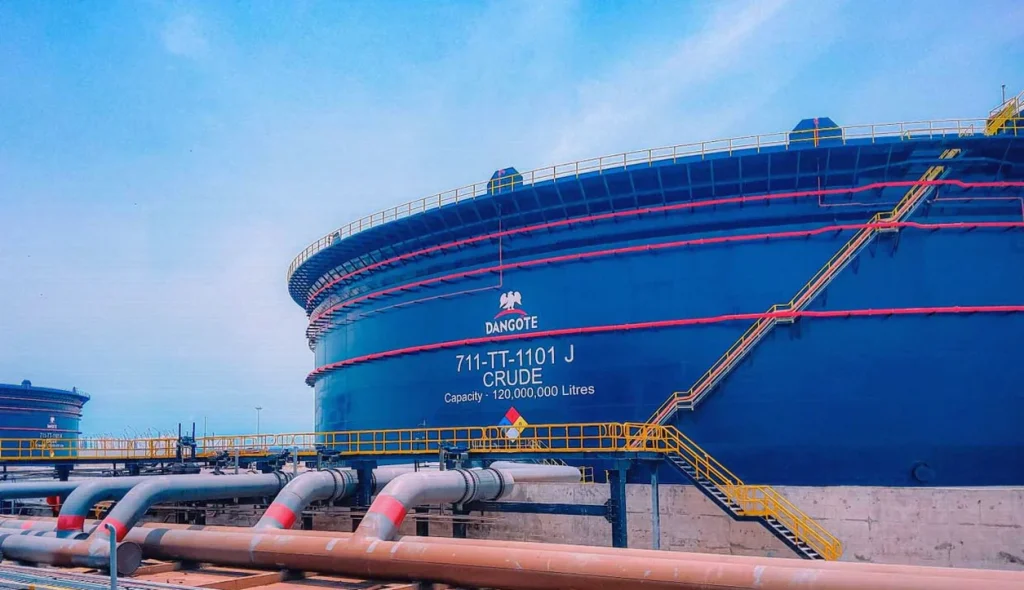
Dangote’s 700,000-barrel-per-day facility has become a significant source of refined products for Nigeria and overseas buyers. Its output is marketed as meeting internationally recognised quality standards.
The US Energy Information Administration has linked the refinery’s emergence to a sharp rise in Nigeria’s seaborne exports of petroleum products. Shipments averaged 561,000 barrels per day during the second quarter of 2026, compared with an average of 79,000 barrels per day across 2023.
The refinery’s jet fuel has also gained traction internationally, including in the United States and Europe. For consecutive months, Dangote has ranked as Europe’s biggest external supplier of jet fuel, overtaking established exporters in the US and the Middle East.
Dangote Refinery has separately warned that petrol imports increased by 43.3%. It attributed the rise to import licences approved by the Nigerian Midstream and Downstream Petroleum Regulatory Authority.