
Corruption, wasteful public spending and weak project delivery are undermining Nigeria’s development, the Ekiti Council of Elders has said, urging political leaders to restore integrity, accountability and prudent administration.
Key takeaways
- The council said public office is increasingly being treated as a route to private wealth rather than a platform for service.
- It pointed to costly government structures, lavish lifestyles among officeholders and poorly implemented projects as signs of systemic failure.
- The group backed President Bola Tinubu’s move to spread military and security facilities across the country.
- It also supported state police, community vigilantes and locally organised security groups in tackling kidnapping and related crimes.
- The 2026 Joel Babatola Annual Lecture Series will focus on reforming Nigeria’s security framework.
Concerns over governance and public spending
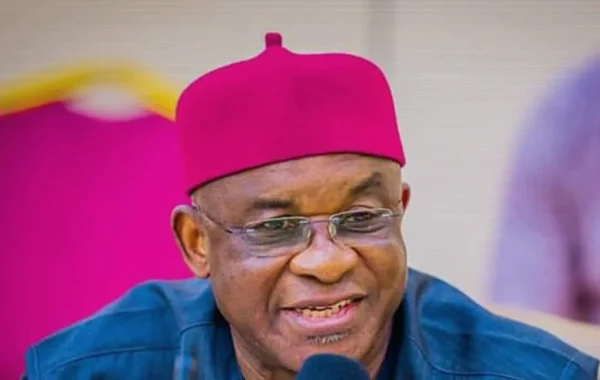
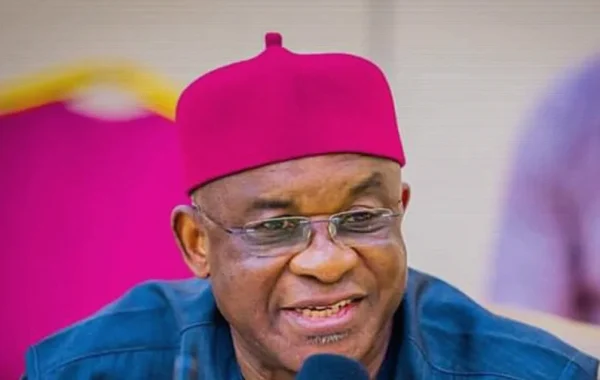
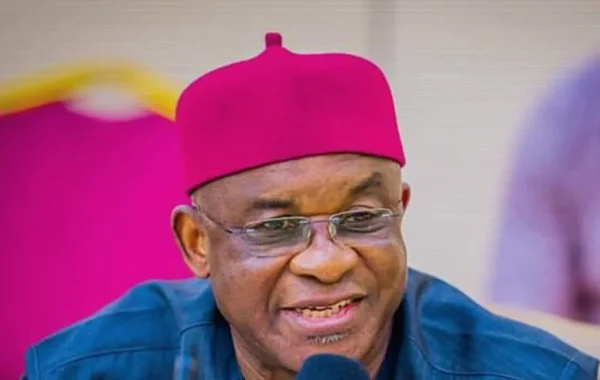
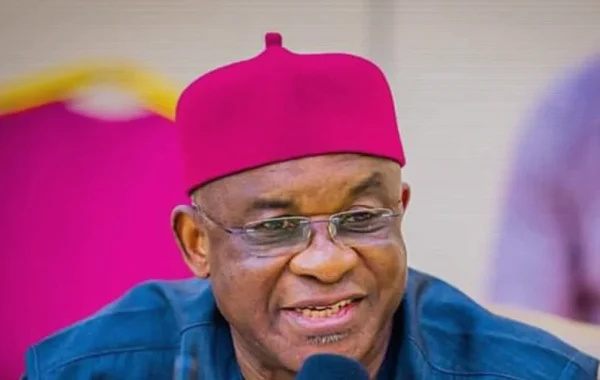
Bayo Orire, secretary of the Board of Trustees of the Ekiti Council of Elders, made the remarks in Ado-Ekiti on Friday during a press briefing held ahead of the second Joel Babatola Annual Lecture Series.
Orire said ethical conduct had lost standing within Nigeria’s political system. In his view, politicians and public officials who refuse to participate in corrupt practices are frequently portrayed as politically naïve, while government positions have become associated with personal gain instead of effective public delivery.
He said the country’s expensive system of governance, the conspicuous consumption of political officeholders and the weak completion of publicly funded schemes illustrated the scale of the problem.
“The situation is particularly disturbing as many communities continue to lack industries, adequate infrastructure and meaningful agricultural development despite huge public expenditure,” Orire said.
Security decentralisation and leadership agenda
On national security, Orire welcomed Tinubu’s efforts to decentralise the armed forces and other security agencies, describing the policy as a sound strategic measure for improving the country’s resilience.
He said the concentration of essential security facilities in a single place could leave Nigeria vulnerable if that location were attacked. Moving infrastructure and institutions across different areas, he added, would encourage local involvement while generating jobs and wider economic activity.
“On security, we have seen how the president is trying to decentralise the armed forces and other security services, and that is commendable,” he said. “Security-wise, that is a very sensible decision because if you concentrate everything in one location, an attack on that location could have devastating consequences for the entire country.”
Orire further supported the creation of state police forces and the expanding role of vigilante groups and other local security organisations. He said such community-level arrangements were important to confronting Nigeria’s security pressures and had already delivered positive results, especially against kidnapping and other forms of crime.
Olufemi Adewumi, chairman of the council’s Board of Trustees, said Nigeria’s security problems and its fragile unity had increased the need for responsible leadership. He identified distrust among citizens, religious tensions and ethnic divisions as factors weakening national cohesion.
Adewumi said the council consisted of patriotic individuals committed to integrity, national unity and efforts to help address the country’s challenges.
He said the annual lecture series was intended to encourage current leaders to learn from the life and leadership example of Joel Eyinafe Babatola, notably his honesty, selflessness and dedication to serving the public.
Babatola’s record, Adewumi said, offered an important template for restoring confidence in public institutions and reinforcing Nigeria’s democratic system.
This year’s lecture carries the theme: “The Paradox of Nationhood: The Struggle for Reinventing Nigeria’s Security Architecture.”