Dr Okechukwu Unegbu, a former president of the Chartered Institute of Bankers of Nigeria, has challenged the official July inflation reading, saying the pressure felt by households and businesses is closer to 35–40% than the 15.43% reported by the National Bureau of Statistics.
Key takeaways
- The NBS said headline inflation eased to 15.43% in its Consumer Price Index report for July 2026.
- Unegbu argued that the official measure does not match prices Nigerians encounter in markets and during everyday transactions.
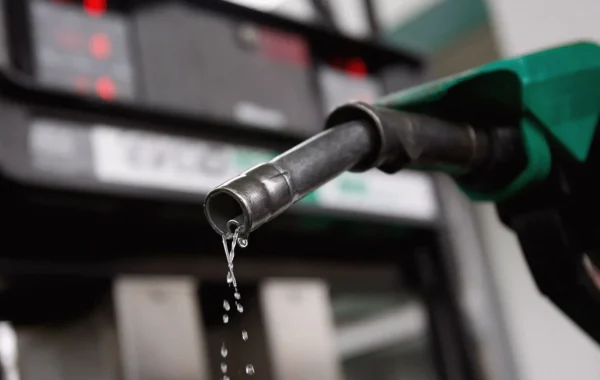
- He said the cost of living had not materially improved, citing fuel prices of about N600 per litre.
- As an illustration, he compared an orange costing N5 under lower inflation with one selling for N15 today.
- Records maintained by his group indicate that Nigeria’s inflation rate remains as high as 35–40%, he said.
Dispute over the official inflation measure
The National Bureau of Statistics released its Consumer Price Index and inflation report for July 2026 on Monday, reporting a decline in headline inflation to 15.43%. Unegbu said that figure may fail to capture the economic conditions confronting people at retail outlets and other points where goods and services are purchased.
In his view, inflation has not delivered a meaningful improvement in living standards. He questioned the significance of a decline that is not reflected in the prices households pay, describing the reported reduction as unclear and disconnected from social conditions.
Unegbu said inflation should be assessed by examining how the public is living and whether essential expenses have become more affordable. He pointed to fuel as one test, asking whether people could realistically say conditions had improved when petrol cost about N600 per litre.
Household prices remain the benchmark
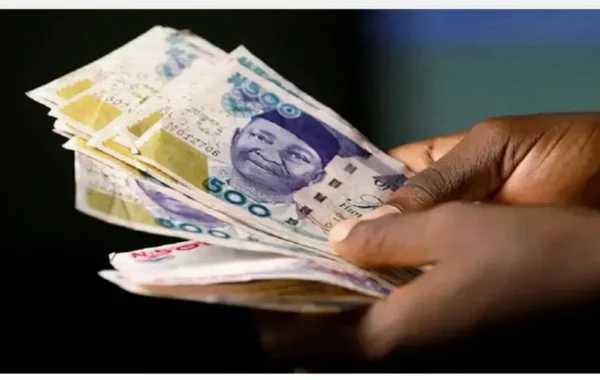
He maintained that any genuine easing in inflation should be visible to the wider population, particularly in open markets. As an example, he said a lower-inflation environment should allow consumers to buy an orange for N5 rather than paying N15 for the same item.
Unegbu added that the inflation records kept by his organisation continue to show substantial price pressures in Nigeria. On that basis, he placed the country’s actual inflation rate at between 35% and 40%, well above the July figure published by the statistics agency.