
Nigerian electricity users could see improved supply as long-delayed power-sector equipment begins leaving the country’s ports for installation on the national grid. Under instructions from President Bola Tinubu, the Federal Ministry of Power has secured the release of 44 containers at Apapa Port from a backlog exceeding 300 containers of electrical materials, with some shipments stranded since 2014.
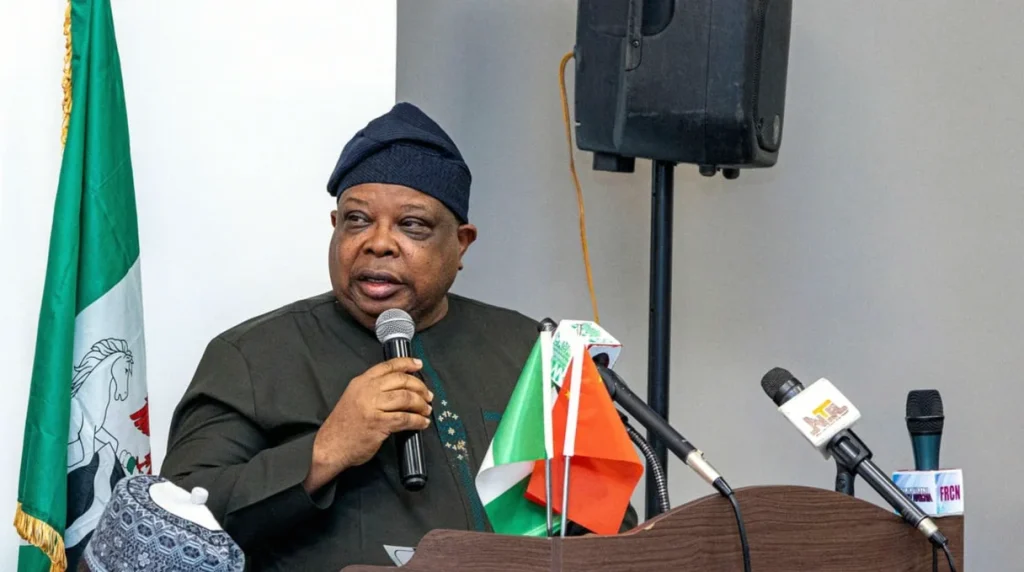
Power Minister Joseph Tegbe said the clearance was approved following the latest Federal Executive Council meeting in Abuja. He said President Tinubu had directed the ministry to coordinate with the Nigeria Customs Service and the Nigerian Ports Authority to remove the administrative and financial obstacles that had left the equipment trapped at the ports for years.
The president also asked the agencies to reconcile unpaid charges and other outstanding liabilities in order to eliminate further delays. The release of the initial 44 containers indicates that the inter-agency effort has started to produce results.
Once the equipment has been cleared, technical specialists will assess its condition. Items that remain usable will be assigned to power projects already under way, while materials no longer fit for use will be disposed of through appropriate procedures, Tegbe said.
The development follows earlier recovery efforts by the Niger Delta Power Holding Company, led by Engr. Jennifer Adighije. The company recovered 110 abandoned containers and 216 packages, preserving assets valued at more than ₦30 billion. Recovered turbines have also made it possible to unlock roughly 470 megawatts for the national electricity grid.
The port-clearance exercise forms part of a wider push to reinforce transmission and generation infrastructure and to ensure that more of the electricity produced reaches households and industrial customers. With presidential support and closer coordination involving the Power Ministry, Customs, port authorities and other agencies, the government is seeking to recover equipment it has already purchased while expanding the infrastructure needed to improve nationwide power supply.