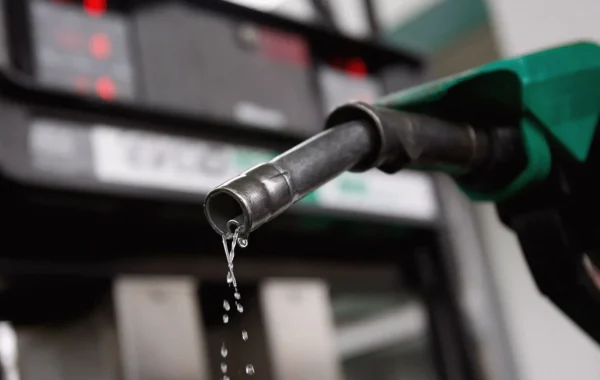
Nigeria’s two major independent petroleum marketers’ groups have opposed calls to reinstate the country’s petrol subsidy. Chinedu Ukadike, spokesperson for the Independent Petroleum Marketers Association of Nigeria (IPMAN), and Billy Gillis-Harry, national president of the Petroleum Products Retail Outlets Owners Association of Nigeria (PETROAN), expressed their positions in separate interviews on Monday.
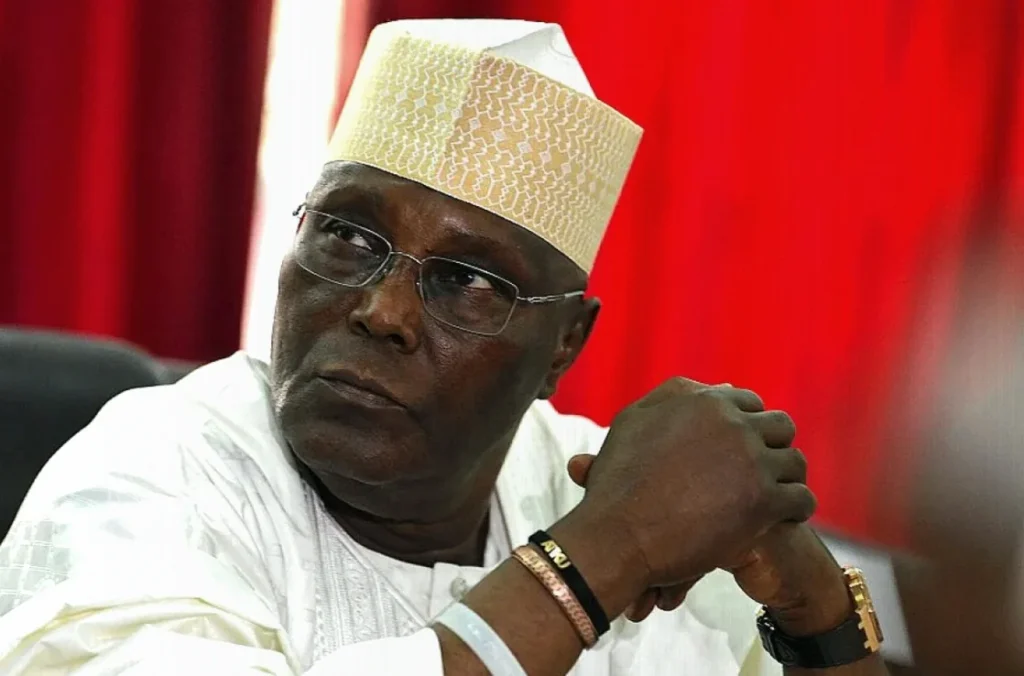
Their comments came amid renewed debate over fuel subsidies and former Vice President Atiku Abubakar’s demand that the policy be restored. Ukadike said the priority should instead be the rehabilitation of Nigeria’s refineries.
He argued that bringing the refineries in Port Harcourt, Warri and Kaduna back into operation would strengthen competition and ease fluctuations in petrol prices. In his view, the central weakness of the petroleum industry is not the decision to remove or reinstate subsidies, but the government’s failure to restore key infrastructure fully.
Ukadike said the administration should concentrate on returning all functioning refineries to production, rehabilitating the country’s pipelines and restoring its 21 petroleum depots. He maintained that stronger competition would reduce price volatility and could lead to a substantial decline in fuel prices, making the subsidy debate less relevant.
He also said greater domestic refining would reduce Nigeria’s reliance on imported petroleum products and limit the sector’s exposure to movements in the dollar exchange rate. Ukadike urged Atiku to assess the infrastructure problems facing the industry rather than campaign for subsidy restoration.
Ukadike reiterated that rebuilding refining capacity and other petroleum facilities would create a more competitive market and reduce upward pressure on petrol prices. Higher local output, he added, would lower dependence on foreign exchange and imports.
Gillis-Harry, a stakeholder in the petroleum industry, took a more forceful position, saying Nigerians who advocate a return to fuel subsidies do not have the country’s interests at heart.
He described the subsidy regime maintained by earlier administrations as a major missed opportunity. The government, he said, borrowed close to N2 trillion to pay for the programme instead of using the funds for national development or investment in human capital.
Gillis-Harry defended President Bola Tinubu’s decision to end the subsidy on May 29, 2023. He said the policy had been a drain on Nigeria’s future because public borrowing was being used to finance it rather than to develop the economy or strengthen people’s skills and living standards. In his assessment, the subsidy has remained abolished.
He noted that subsidy removal was debated by all the presidential candidates during the 2023 election. Against that background, he questioned why any of them would now support reversing the policy, arguing that such a position demonstrated a lack of concern for Nigeria.
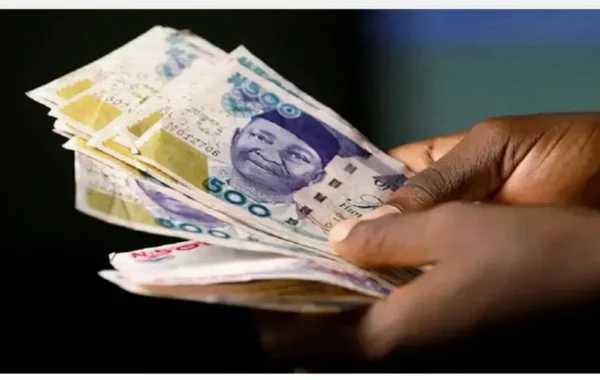
Gillis-Harry also challenged proponents of a plan to bring petrol down to N500 per litre to explain how it would be financed. He questioned whether the government would borrow again, including potentially securing a $1 billion loan from China, to fund the proposed reduction.
He further disputed the logic of subsidising crude oil production, saying the expense involved in producing each barrel is a genuine economic cost. The cost, he argued, remains real regardless of who is responsible for production, including former officials who previously oversaw parts of the economy.
Gillis-Harry criticised Atiku’s record as vice president while responding to his support for subsidy restoration. He asked what Atiku had accomplished during his eight years in office and asserted that he had failed to deliver meaningful results during that period.
He called on subsidy advocates to publish detailed economic calculations showing the cost of producing a barrel of crude and identifying precisely which component, if any, should receive support without creating another broad subsidy burden. Economists advising the policy’s proponents, he said, should be able to calculate the relevant figures.
Gillis-Harry added that the end of the subsidy had pushed Nigerians to adjust their spending behaviour and become more financially disciplined. He described that discipline, along with wider social and moral effects, as one of the most important benefits of the policy’s removal.