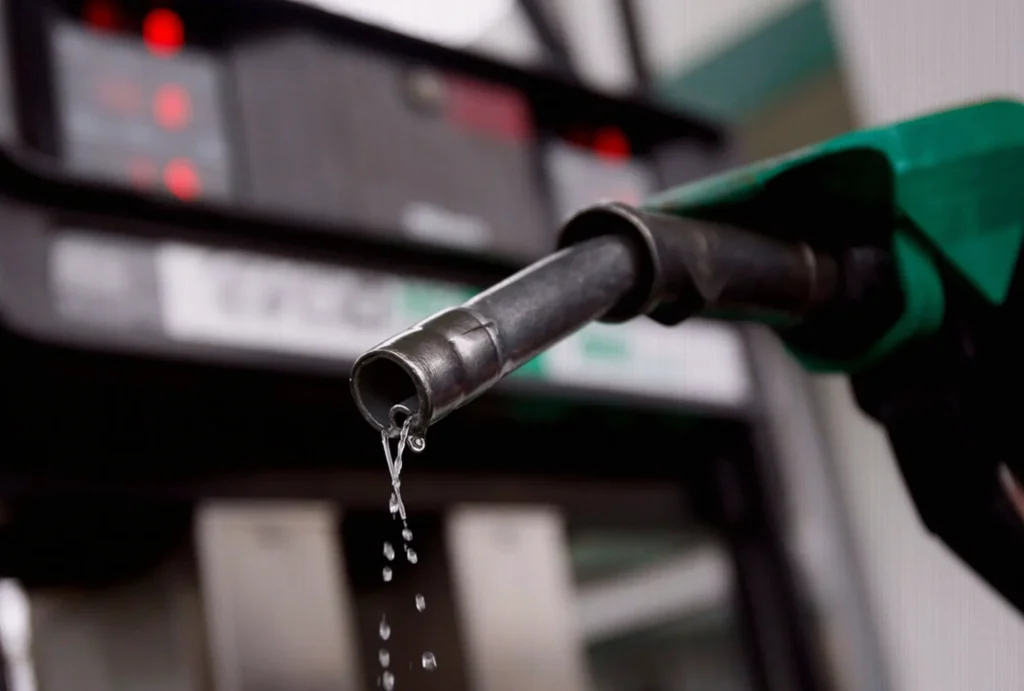
Nigeria’s renewed argument over fuel subsidies is intensifying as petrol prices remain volatile and political parties begin positioning themselves ahead of the 2027 presidential election. Atiku Abubakar, the African Democratic Congress (ADC) presidential candidate and a former vice president, recently revived the issue by promising to restore fuel subsidies if elected, making the policy part of his proposed economic recovery programme.
Atiku said his approach would involve subsidising petrol produced from Nigeria’s crude oil rather than subsidising imported refined products. The proposal marks a significant change from his position since 1999, when he supported the removal of fuel subsidies. It has drawn criticism and support from President Bola Ahmed Tinubu’s administration and other opposition figures.
Tinubu’s first major policy announcement after taking office on May 29, 2023, was the removal of the subsidy, a decision closely linked to his declaration that “fuel subsidy is gone.” The measure took effect immediately. Petrol prices climbed sharply, adding to inflationary pressure and raising transport and household costs. From a national average of N545 per litre, pump prices had reached between N1,230 and N1,299 per litre in Abuja and surrounding areas by August 24, 2026.
The Tinubu administration says the policy generated N15.8 trillion in savings between June 2023 and December 2025. Finance Minister Taiwo Oyedele said the Federal Government received N5.43 trillion from the funds raised, while state governments obtained N6.52 trillion and local governments received N3.88 trillion.
Oyedele also said the government incurred N30.64 trillion in additional spending over the same period. The expenditure covered wage increases, debt obligations, infrastructure and electricity subsidies. Atiku has rejected the government’s explanation of how the subsidy savings were distributed, calling the presentation inadequate and maintaining that the policy should be reinstated under his presidency.
Peter Obi, the presidential candidate of the Nigeria Democratic Congress and former governor of Anambra State, disagrees with Atiku. Speaking on Monday at the Nigerian Bar Association conference in Rivers State, Obi said the proceeds from subsidy removal had been poorly managed by Tinubu’s government, but argued that mismanagement was not a valid reason to reverse the reform.
“I support the removal of the subsidy and continue to do so,” Obi said. “The fact that its proceeds have been mishandled should not justify bringing it back.” Economists and oil-sector participants have likewise offered different views on whether Nigeria should restore the policy or pursue alternative ways to reduce the burden on consumers.
Calls for targeted support and domestic refining
Godwin Oyedokun, an accounting professor and economist, urged the Federal Government not to return to a universal petrol subsidy. He said assistance should instead be directed at vulnerable Nigerians and productive parts of the economy. In his view, the 2027 debate should be treated as an economic policy question rather than an electoral contest.
Oyedokun acknowledged that Atiku’s proposal could reduce petrol, transport and food costs in the short term. He warned, however, that a broad subsidy programme could revive the fiscal strain, leakages, smuggling and corruption that made the previous system unsustainable.
He said maintaining the subsidy-removal policy could strengthen public finances and release funding for infrastructure and social investment. But he added that Nigerians who have absorbed higher fuel and transport costs have not yet seen a sufficiently visible or measurable benefit from the money saved.
For Oyedokun, the central question is how to protect citizens from the effects of reform, rather than whether the country should choose subsidy or no subsidy. He proposed targeted support for vulnerable households and productive sectors, with savings from the reform openly directed to mass transit, electricity, healthcare, education and focused social-protection programmes.
The economist said Nigerians should not be required to choose between fiscal stability and a manageable cost of living. The ultimate measure of Tinubu’s reform, he argued, will be whether the sacrifices being made now produce better living standards in the future.
He also called on parties preparing for the 2027 election to publish energy policies that are specific, transparently funded and properly costed. Fuel subsidy, he said, should not be reduced to a campaign slogan; voters need to know how each party would make petrol more affordable without damaging the country’s fiscal position.
Chinedu Ukadike, spokesperson for the Independent Petroleum Marketers Association of Nigeria (IPMAN), said the priority should be the rehabilitation of Nigeria’s refineries and oil infrastructure, including the facilities in Port Harcourt, Warri and Kaduna. He said restoring domestic refining and related infrastructure would increase competition and help moderate sharp movements in petrol prices.
Ukadike also urged the government to revive the country’s pipelines and its 21 petroleum depots. In his assessment, the subsidy question would become less important if local refining and distribution systems were functioning properly. Greater competition, he said, could bring prices down substantially and reduce reliance on dollar-denominated imports and exports.
He advised Atiku to concentrate on rebuilding Nigeria’s refining capacity instead of campaigning for a subsidy reversal. The fundamental problem, Ukadike said, is not the absence of subsidy but the failure to get the refineries operating again.
Retailers warn against returning to the old system
Billy Gillis-Harry, national president of the Petroleum Products Retail Outlets Owners Association of Nigeria (PETROAN), also opposed a return to fuel subsidies, describing the former arrangement as a lost opportunity for national development.
He said previous administrations borrowed close to N2 trillion to finance subsidies rather than investing the money in human capital, economic development or other national priorities. In his view, the subsidy system diverted resources that could have been used to build the country and improve productive capacity.
Gillis-Harry said Tinubu was prepared for the decision when he announced on May 29, 2023, that the subsidy had ended, and that the policy had remained abolished. He noted that subsidy removal had been discussed by all presidential candidates before the 2023 election.
He argued that any candidate now seeking to reinstate the policy would be acting against Nigeria’s interests. Gillis-Harry also questioned how a government promising to lower petrol to N500 per litre would pay for the reduction, asking whether it would need to borrow as much as $1 billion from China to finance the plan.