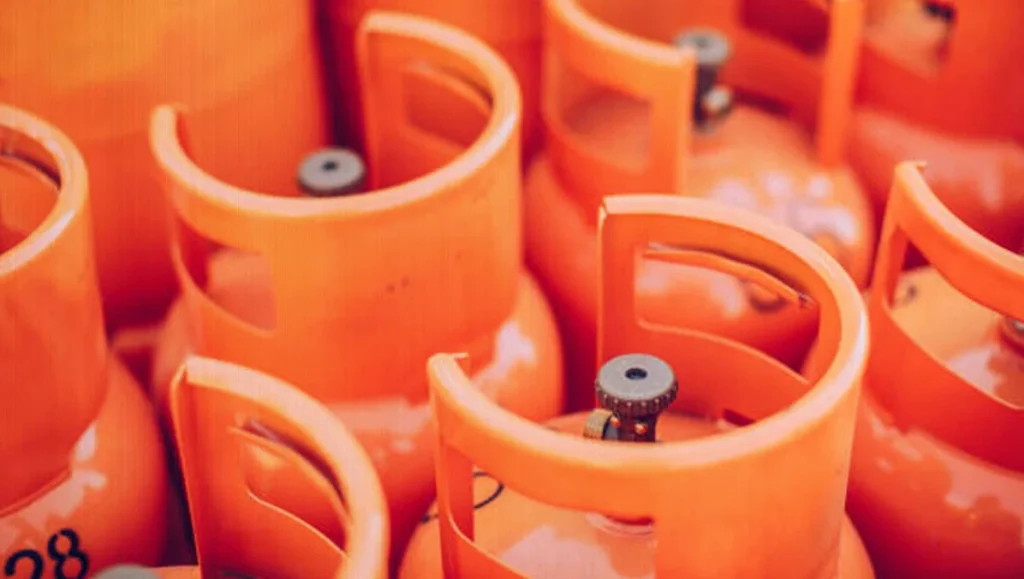
Imports of liquefied petroleum gas—commonly referred to as cooking gas—rose dramatically in Nigeria in June 2026, underscoring how quickly the market is being pulled by household demand and supply constraints. Data from the Nigerian Midstream and Downstream Petroleum Regulatory Authority showed that LPG deliveries climbed by 1,400% to an average of 1.5 kilotonnes per day during the month, as reflected in the regulator’s June fact sheet released on Friday.
The same publication indicated that Nigeria’s domestic LPG consumption increased by 24% in June, reaching 5.1 kilotonnes per day compared with 4.1 kilotonnes per day recorded a week earlier. Of the 5.1 KT/d consumed, domestic output contributed 3.6 KT/d, while imports made up the remaining 1.5 KT/d—meaning the jump in overseas supply was used to cover part of the gap created by local production and the need to keep cooking gas available.
The surge in imports comes against a backdrop of steep price movements for consumers. LPG prices reportedly jumped to above 2,000 naira per kilogram from levels around 900 and 1,200 naira previously, before easing into a range of roughly 1,500 to 1,700 naira per kilogram depending on where in Nigeria the gas is sold.