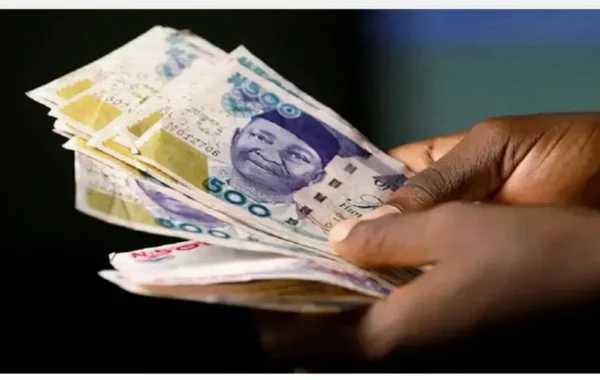

Nigeria’s remittance receipts through licensed International Money Transfer Operators (IMTOs) climbed to $947 million in July 2026, the strongest monthly result ever achieved through official channels, bringing the country close to its $1 billion monthly ambition.
Key takeaways
- Formal IMTO inflows reached $3.8 billion between January and July 2026.
- The seven-month total was 50.2% higher than in the corresponding period of 2025.
- Regulatory and market reforms have been designed to make official remittance routes more competitive and accessible.
- Higher diaspora transfers are improving foreign-exchange liquidity, household support and Nigeria’s external financing position.
- Central Bank Governor Olayemi Cardoso expects monthly inflows eventually to exceed and remain above $1 billion.
Formal remittances gain momentum
The Central Bank of Nigeria said July’s $947 million receipt was the largest monthly inflow recorded via formal remittance channels. The result marks further progress toward the $1 billion monthly objective established by Cardoso.
IMTO transactions totalled $3.8 billion during the first seven months of 2026, an increase of 50.2% from the same period a year earlier. The rise points to a substantial shift toward regulated channels for money sent home by Nigerians abroad.
The central bank linked the expansion to a package of measures intended to improve competition, openness and access in the formal remittance market. These measures include allowing the exchange rate to be determined more by market conditions, revising the rules governing IMTOs and introducing the Non-Resident Bank Verification Number, or NRBVN. The bank has also increased engagement with transfer operators, commercial banks and Nigerian diaspora groups.
In a further step, the CBN has tightened rules requiring remittance payments to pass through specified settlement accounts held with authorised dealer banks.
Impact on foreign exchange and the economy
The bank said the importance of the latest data goes beyond the record monthly amount. Bringing a larger share of diaspora money into the regulated system increases foreign-exchange liquidity and improves visibility over flows. It also helps households, supports investment and reinforces Nigeria’s ability to finance its external needs.
Cardoso said the original $1 billion target had appeared overly ambitious to some observers when it was announced almost two years ago. With July’s inflow reaching $947 million, he said Nigeria is now within sight of that goal.
He cautioned, however, that the July result should be viewed as a milestone rather than the central objective. The broader aim, he said, is to establish conditions that deliver lasting growth in formal remittances. The CBN expects the upward trend to continue, with Nigeria capable of reaching monthly inflows above $1 billion and maintaining them at that level.