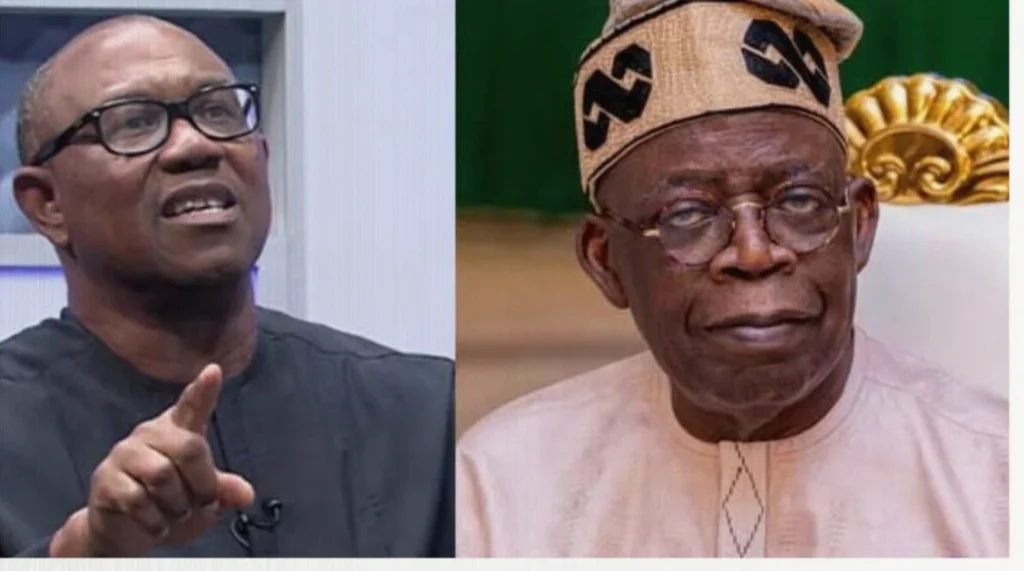
Peter Obi, the Nigeria Democratic Congress (NDC) presidential candidate, has called on President Bola Tinubu to disclose how the government has used the N15.8 trillion he said was generated from ending Nigeria’s fuel subsidy programme.
In a Saturday post on his verified X account, Obi also urged Tinubu to account for more than $100 billion in borrowing since he took office in 2023.
While welcoming the president’s overnight visit to Akwa Ibom State, Obi said Tinubu should extend such trips to the rest of the country in order to better understand the hardship facing Nigerians.
“I congratulate you on spending a night in one of Nigeria’s states outside Lagos and Abuja,” Obi wrote. “I hope you enjoyed the warmth, hospitality and excellent food of Akwa Ibom, which I believe surpasses what is available in the places where you have spent more than 260 days outside Nigeria since assuming office.”
He said he hoped the trip would encourage Tinubu to visit the other 33 states, spend time among residents and explain how his administration had deployed the N15.8 trillion attributed to subsidy removal, the more than $100 billion borrowed, higher tax receipts from Nigerians, and other government income that the administration said last year had exceeded its revenue target.
Obi said citizens should be told how many people had escaped poverty during that period, how many children who were out of school had returned to classrooms, and how many operational primary healthcare centres had been established.
He also called for details on progress in electricity supply, citing Tinubu’s earlier pledge that Nigerians should not vote for him if he failed to resolve the power problem. Obi further demanded an explanation of the government’s security record, noting that Nigeria remains among the world’s most terror-affected countries.
“Mr President, Nigerians are entitled to answers,” Obi wrote. “They need to know what has been achieved with the resources placed in the care of your government.”
He said the “New Nigeria” he seeks would rest on accountability, openness and visible, measurable improvements in citizens’ lives from the use of public funds.