Dr Oluseun Adek, Chairman of the Medical Advisory Committee at Olabisi Onabanjo University Teaching Hospital, has called for more reliable emergency referrals in Nigeria, arguing that preventable maternal fatalities will continue unless patients can reach advanced care quickly.
Key takeaways
- Tertiary hospitals’ specialists, blood banks, theatres and medicines are ineffective when critically ill patients face delays getting there.
- Adek said medical progress should be judged by its effect on patients’ wellbeing, rather than technology alone or research output.
- He urged wider availability of essential medicines, low-cost generics, local screening programmes and better cancer pain relief.
- Muslim health workers were encouraged to use mosques and mobile tools to broaden prevention, screening and follow-up services.
- IMAN Ogun State said it needs additional backing to extend healthcare outreach to disadvantaged communities.
Closing the gap between medical knowledge and care
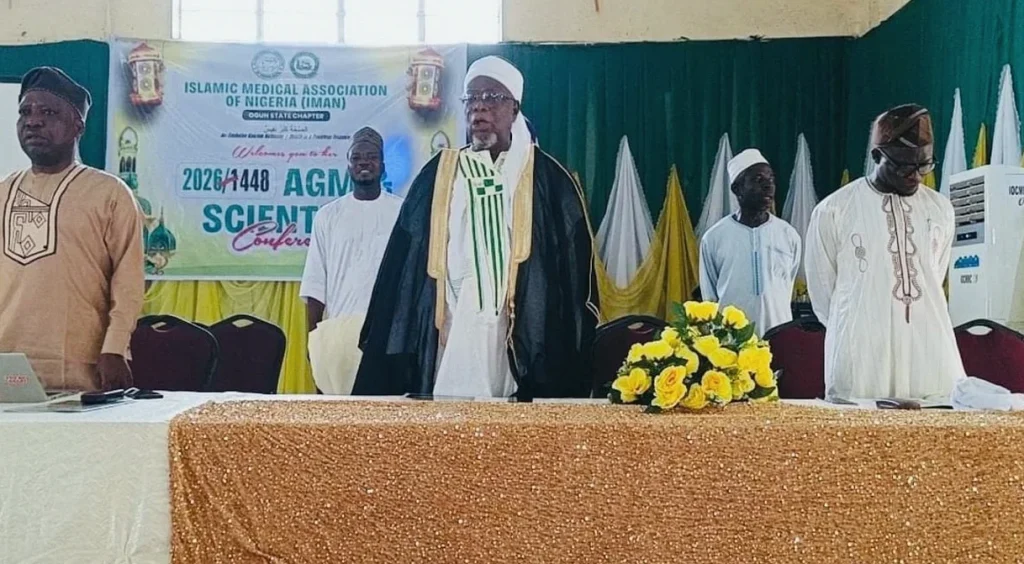
Speaking as a guest at the Annual General Meeting of the Islamic Medical Association of Nigeria, Ogun State Chapter, in Abeokuta, Adek said Nigeria’s core health-sector problem was not an absence of clinical knowledge. Rather, he said, the country has struggled to turn available expertise into treatment that ordinary people can access.
Addressing the meeting’s theme, “From Lab to Langer: Taking Medical Innovations to Underserved Communities,” he said innovation should extend beyond sophisticated equipment and the volume of academic publications. Its real value, he argued, lies in whether it improves health outcomes and quality of life.
“The problem is a broken bridge between what medicine knows and what the patient can actually reach,” Adek said.
He pointed to the example of a woman in a rural area who develops serious postpartum bleeding but is unable to obtain prompt transport or referral. Even hospitals equipped with consultants, blood supplies, operating rooms and vital drugs cannot help patients who arrive too late because transport, communications and referral links have failed, he said.
Reducing maternal mortality requires working emergency-referral arrangements, dependable transport, swift identification of danger signs and rapid contact with qualified health professionals, Adek said.
Prevention, professional standards and community outreach
Adek also pressed for stronger access to critical medicines and lower-priced generic alternatives. He called for community screening for high blood pressure and diabetes, alongside improved management of pain among cancer patients.
He encouraged Muslim medical professionals to make mosques centres for public-health education, regular testing and disease-prevention campaigns. Mobile technology can also support appointment alerts, patient follow-up and emergency coordination, he said, provided that patient privacy is safeguarded.
Doctors should advance treatments supported by evidence, while nurses should reinforce patient education and safety, he said. Pharmacists should promote appropriate use of medicines, and laboratory scientists must provide accurate tests and quickly report critical findings.
Referring to Qur’an 4:58, which instructs believers to fulfil trusts and make judgments fairly, Adek said healthcare personnel must show integrity, capability, empathy and accountability in serving patients. Treatment decisions, he added, should reflect clinical necessity and the urgency of a case—not a patient’s income, connections or social standing.
Dr Ibraheem Opeewe, chairman of IMAN’s Ogun State chapter, said the organisation aims to raise the standard of healthcare in Nigeria through clinical services, partnerships, education, professional training and advocacy.
He appealed for increased support to help the association widen its outreach work and strengthen healthcare access for underserved populations throughout Ogun State.