Nigeria’s Rural Electrification Agency has commissioned two solar mini-grid schemes in Kano State, bringing power to communities that had spent more than 16 years without reliable electricity and extending service to 2,222 households.
Mini-grids commissioned in Warawa
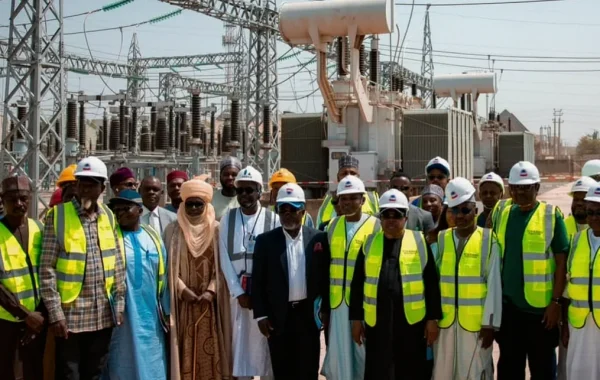
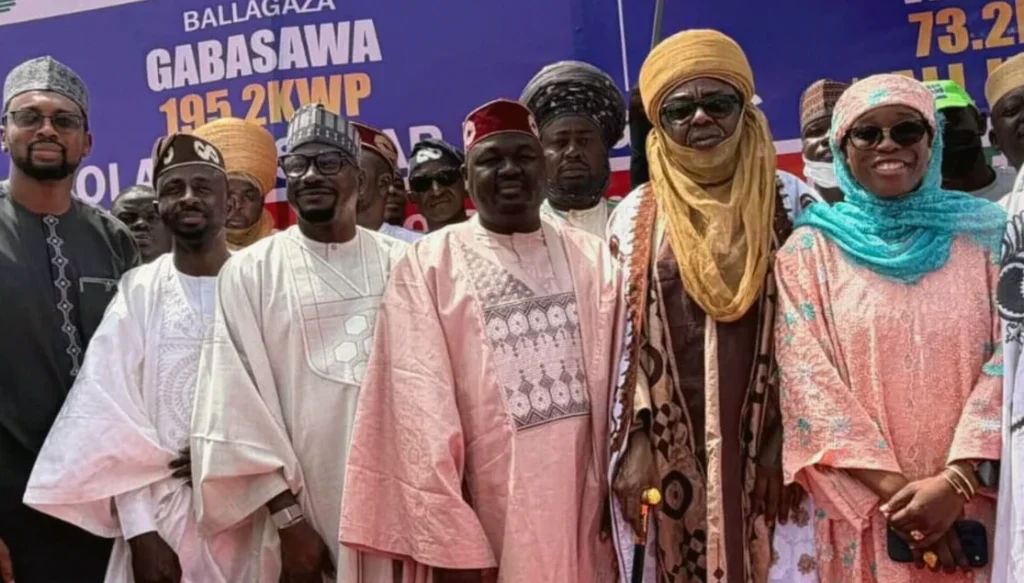
- The REA inaugurated a 195kWp mini-grid in Ballagaza and a 70kWp installation in Marayar Rogo, both in the Warawa area of Kano State.
- The projects are intended to supply electricity to 2,222 households, ending a prolonged period without power for the beneficiary communities.
- REA Managing Director Abba Aliyu said the installations marked further progress toward the Renewed Hope Agenda target of providing electricity access to more than 17 million Nigerians.
Aliyu said the projects demonstrated the potential of public-private partnerships to widen access to power. He also praised Kano State Governor Abba Kabir Yusuf for making electricity a priority for his administration and creating conditions that supported implementation of the projects.
“The Federal Government did not construct these mini-grids and transfer them to the communities,” Aliyu said. “Alfuttaim Nigeria Limited used its own capital to build them and will retain ownership and operate them for many years. Through the DARES programme, implemented by the REA with World Bank backing, the government subsidised part of the cost so that electricity would remain affordable for residents.”
He said Nigeria aims to develop 1,350 mini-grids under the DARES programme, which has already delivered either new or enhanced electricity services to more than five million people.
“Nigeria still has more people living without electricity than any other country,” Aliyu said. “That problem cannot be addressed by one agency or one programme. It must be tackled community by community, including places such as Ballagaza and Marayar Rogo, where private firms are prepared to invest and residents assume ownership of the assets built for them. Government must honour its commitments to both sides.”
Potential boost for farming and local businesses
The communities produce groundnuts, millet, sorghum and soybeans and are also home to blacksmiths, weavers and dyers. The new electricity supply is expected to improve output across farming, processing and small-scale manufacturing.
Groundnuts, for example, can now be processed with electric equipment into oil and kuli-kuli, allowing producers to add value before selling their goods and potentially secure better prices.
The mini-grid programme will also supply the primary healthcare centre in Gabazawa, which had previously operated without electricity.
More projects under development
Alfuttaim co-founder Dr Nabilah Sani said she was pleased that the two projects had been completed, adding that the facilities would support households while also raising agricultural productivity.
She thanked the Federal Government for enabling the financing behind the schemes and said Ballagaza and Marayar Rogo were two of 10 mini-grid locations currently being developed in Kano State.
Sani urged residents to treat the installations as community assets, protect them from damage and reject vandalism.