Academic staff at Taraba State University have restated their commitment to an open-ended strike, ordering lecturers to halt every form of teaching and supervision as their dispute with the government remains unresolved.
Key takeaways
- ASUU’s Taraba State University branch has prohibited physical and virtual lectures, project supervision and teaching-practice oversight.
- The union says it will not return to academic work until negotiations deliver measurable results.
- Members have been told not to use alternative arrangements or off-campus programmes to bypass the stoppage.
- The strike, which began on October 12, 2026, includes demands over the 2025 Federal Government-ASUU agreement and unpaid salaries from January 2026.
- The work stoppage has interrupted classes and examinations, increasing concern over the university’s academic timetable.
Union orders full suspension of academic work
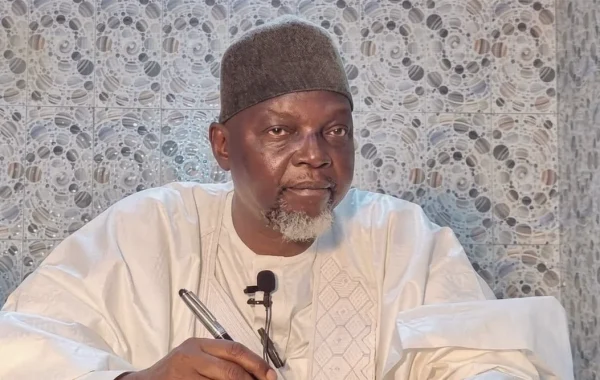
In a statement released on Monday, the branch chairperson, Dr. Garba Mbave Joshua, called on members to remain united, orderly and fully committed to the industrial action.
The Academic Staff Union of Universities, TSU branch, said the strike remained total and would continue indefinitely unless discussions with the government resulted in tangible movement on the matters that prompted the action.
It said no lecturer should conduct classes, academic supervision or lectures during the strike, regardless of whether those activities are delivered in person or through digital channels.
The union also instructed its members to stop all academic work connected with university programmes, including activities taking place away from the main campus. It warned staff against relying on substitute platforms or other mechanisms that could dilute the collective action.
“Compliance with the directive is essential to sustaining the union’s bargaining position. Selective participation in academic activities could weaken its collective action,” the branch said.
Its leadership said the effectiveness of the stoppage depended on members acting together and asked staff to observe the instruction without exemptions.
Members warned against misinformation and pressure
ASUU-TSU cautioned staff about alleged propaganda in the media, inaccurate reports and inflammatory comments that it said were intended to weaken the strike.
Members were urged not to base their decisions on rumours, conjecture or unconfirmed claims that could cause division within the union.
The branch said no substantive engagement had yet taken place with the government that could adequately address the central issues in the dispute. It therefore told members to reject suggestions that the matter had already been settled, saying its stance would not change until negotiations generated concrete advances.
Staff were advised to seek clarification through official messages issued by the branch leadership, rather than relying on information shared through unofficial channels.
While thanking members for their sacrifices, discipline and support for the action, the leadership said it remained committed to protecting their legitimate interests. It also asked staff to remain alert and resist intimidation, arguing that unity and shared resolve would be crucial to securing the union’s demands.
ASUU-TSU has been on indefinite strike since October 12, 2026, citing unresolved issues that include implementation of the 2025 Federal Government-ASUU agreement and salary arrears outstanding since January 2026.
The disruption has brought academic operations at the university to a halt, including examinations, prompting concern among students, parents and other stakeholders about the impact on the institution’s academic calendar.