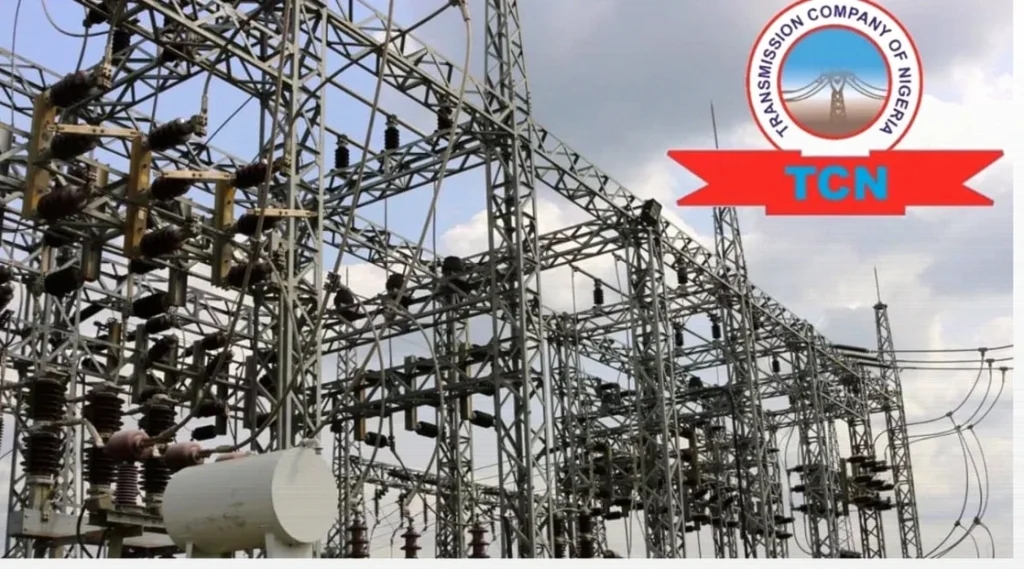
The Transmission Company of Nigeria (TCN) has rejected claims by Ikeja Electricity Distribution Company (IKEDC) that grid instability was responsible for the extended blackouts affecting its customers, including those on Band A tariffs. In a statement issued on Friday, the federal agency said IKEDC’s November 5, 2026 notice had linked outages on several Band A feeders recorded on November 3 and 4 to the grid and held TCN responsible. TCN said that position was incorrect and potentially misleading. It argued that an electricity distribution company has no legal mandate to establish the underlying cause of national-grid disruptions. Under Section 67 of the Electricity Act 2023, responsibility for identifying the causes of grid disturbances, supply deficits and interruptions rests solely with the Nigerian Independent System Operator (NISO). TCN said IKEDC, like other market participants, cannot make such findings, while NISO has not blamed TCN for the outages cited in the distributor’s notice. NISO’s own clarification on November 5, 2026 said the fall in available electricity stemmed from limited gas supplies to thermal generating plants and lower production from hydropower facilities because of reduced reservoir inflows. Those factors cut total generation, reduced the volume of electricity allocated to distribution companies and resulted in shorter supply periods and more load shedding across distribution networks. The effect on each DisCo depends on generation availability and the allocation it receives. TCN said IKEDC’s supply shortfall reflected lower generation and consequent energy allocation rather than a breakdown in the transmission system, stressing that it can transmit only power generated and delivered into the network. It said operational records covering feeders serving IKEDC matched NISO’s assessment. Of all interruptions logged on November 1 and 2, 68 per cent resulted from frequency-control load shedding caused by insufficient generation. Another 26 per cent arose either from IKEDC’s failure to comply with load allocations issued by NISO’s National Control Centre (NCC), or from faults and maintenance activity on IKEDC’s own infrastructure. The remaining 6 per cent were linked to planned TCN maintenance, switching operations or line constraints. TCN said none of the incidents was caused by a fault or trip involving its equipment. It added that the individual feeders identified in IKEDC’s public notice also failed to substantiate the grid-instability allegation. Of 46 interruptions on the named 33kV feeders, 29 were frequency-control load-shedding events tied to low generation. Fourteen were attributed to IKEDC, comprising nine cases of non-compliance with assigned load levels and five faults or trips on its network. The final three disruptions resulted from scheduled TCN work on the Ogba–Alimosho line on November 1. On November 2, the Rack Centre feeder was interrupted by a cable fault within IKEDC’s network, which was subsequently repaired by the distributor’s crew. TCN noted that IKEDC’s own notice had assigned several feeders — including MTN, Iju Water Works and Rack Centre — to Ikeja Electric, identified as “IE”, for 33kV-related faults. TCN said IKEDC’s account did not reflect the actual condition of Nigeria’s electricity industry, warning that blaming transmission for deficits caused by generation constraints could mislead users, damage public trust and distract from the issues requiring joint action by industry participants. It called on IKEDC and other distribution companies to immediately stop making unverified claims about the reasons for customer supply shortfalls and instead rely on confirmed information from NISO, which operates the grid. Consumers were also advised to use NISO’s official communication channels for reliable updates on the Nigerian Electricity Supply Industry. TCN expressed sympathy for customers experiencing fewer electricity hours, saying it remained committed to moving all available power safely, efficiently and reliably despite prevailing operating limitations, while working with NISO, generating companies and DisCos to improve supply. Ikeja Electric had earlier apologised to customers and blamed TCN for its failure to deliver at least 20 hours of daily electricity to consumers across its Lagos coverage area. However, Nigerians criticised the distributor for limiting its apology to Band A customers even though the outage affected consumers in other tariff bands. NISO had linked outages in parts of the country to inadequate gas supplies to generation companies, which reduced electricity production and lowered the energy available to the national grid. Power Minister Joseph Tegbe had also apologised over reduced supply and promised that electricity would be restored quickly.