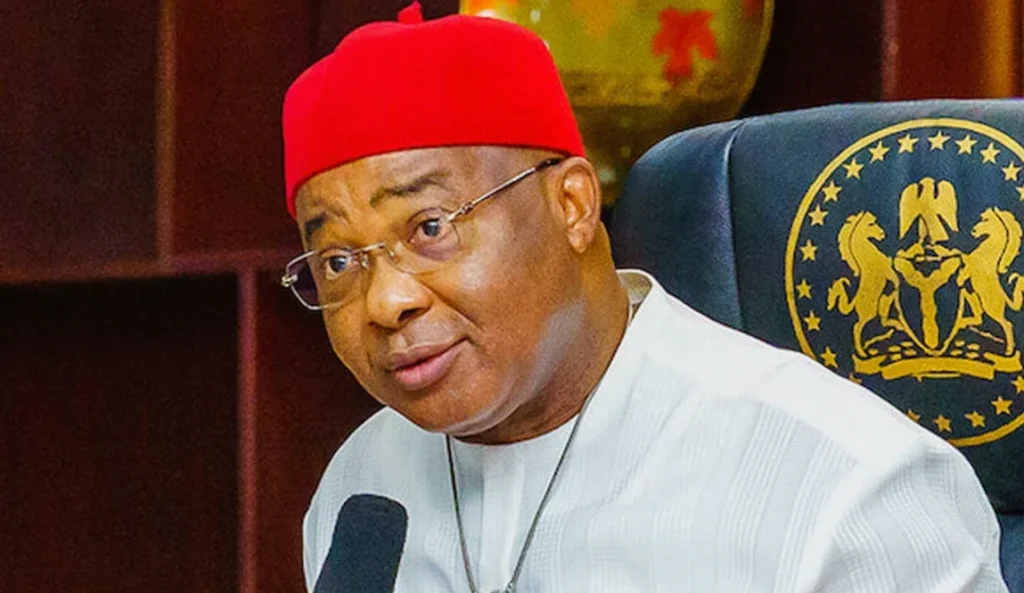
Nigeria has made progress toward macroeconomic stability but remains far from resolving its structural problems, Imo State Governor Hope Uzodimma said, citing food supply, human development, electricity infrastructure and electoral reform as unfinished priorities.
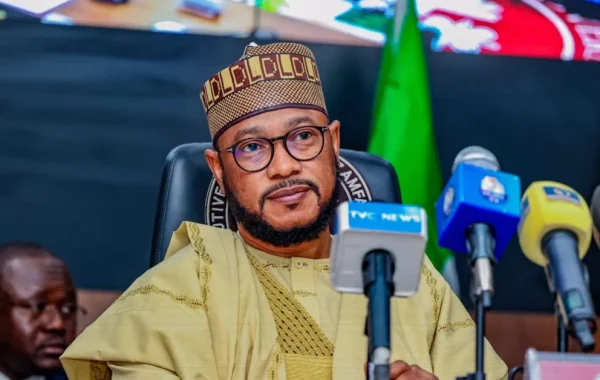
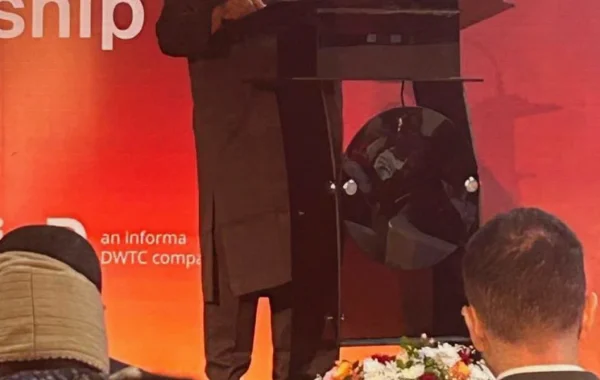
Uzodimma, who chairs the Progressive Governors’ Forum, delivered the assessment on Sunday in Abuja at the third Raymond Dokpesi Lecture.
Quick facts
- Uzodimma said the removal of fuel subsidies and the naira’s liberalisation had supported greater economic stability.
- He pointed to stronger foreign-exchange reserves and major infrastructure activity across the country.
- Food security, power, literacy, life expectancy, poverty and election administration remain areas needing attention.
- The lecture was held under the theme, “Media, Democracy and National Development.”
The governor said reforms introduced under President Bola Ahmed Tinubu, including the end of the fuel-subsidy system and the move away from multiple exchange-rate arrangements, had helped improve the economy’s footing.
He said the measures had contributed to more favourable economic stability, higher external reserves and significant infrastructure projects. But he stressed that these gains should not be treated as evidence that Nigeria had entered a fully transformed period.
“I have not mentioned these achievements to paint a picture of a new era, not at all,” Uzodimma said. “Our country is still a work in progress.”
He said substantial investment and policy action were still required, particularly in infrastructure and electricity. National cohesion, he added, could at times appear vulnerable.
Food security remains an acute challenge, while core social indicators also require improvement, he said. These include literacy levels, life expectancy and poverty reduction.
Uzodimma also said Nigeria’s democratic system had advanced but that its electoral process could function better. He called for broad participation in efforts to build the country Nigerians aspire to achieve.
Earlier in the programme, Nigerian Institute of Public Relations President Dr Ike Neliaku and the lecture chairman, Senator Adedayo Adeyeye, commended Raymond Dokpesi’s role in widening and democratising Nigeria’s media landscape.
Adeyeye also serves as chairman of the Nigerian Ports Authority.