
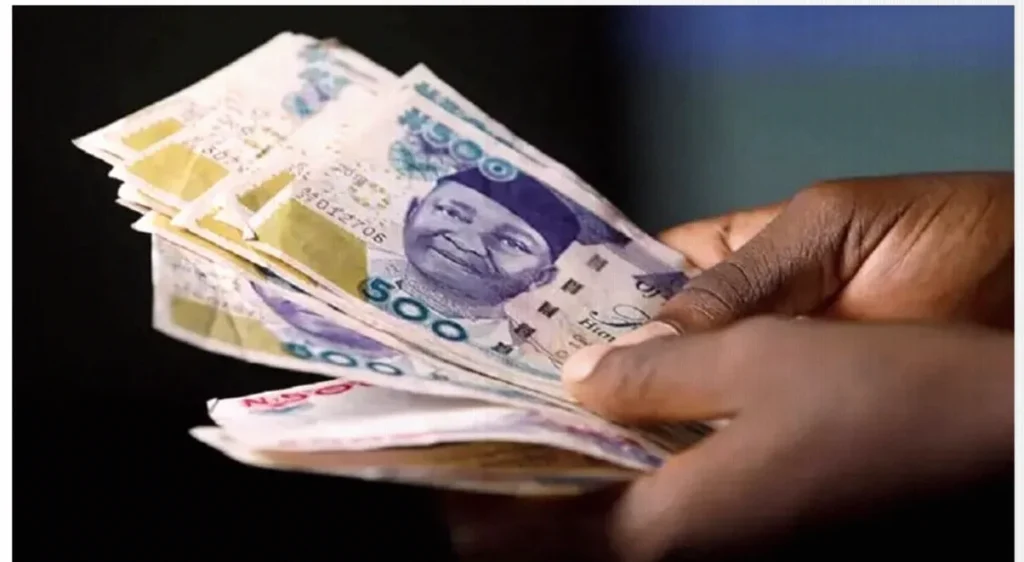
Financial specialist Busari Akande has cautioned that continued weakness in Nigeria’s naira may drive up loan delinquencies, disrupt corporate activity and make borrowing harder to obtain.
Akande, a Fellow of the Institute of Credit Administration (FICA), said the currency’s ongoing slide on the Nigerian Autonomous Foreign Exchange Market, known as NAFEM, in early November could create broader risks for companies and lenders.
While the daily decline of 0.12% may seem limited, he said its cumulative impact could intensify the strain on businesses already facing expensive credit and escalating operating costs.
In an assessment titled “Unmasking the Naira’s November Shuffle: A Dual Lens on Credit Risk and Financial Resilience,” Akande said firms reliant on imports—especially manufacturers and consumer-goods businesses—may see the cost of raw materials rise while profit margins narrow.
He said these pressures could erode companies’ capacity to service debt, potentially pushing some businesses to raise additional short-term funding for day-to-day operations instead of directing capital toward growth and investment.
The Islamic finance and credit administration practitioner also said a weaker currency could reduce household spending power, limiting individuals’ ability to meet repayments on personal loans, mortgages and other forms of credit.
Small and medium-sized enterprises are especially exposed, he said, because they typically have limited access to instruments that hedge against currency volatility.
Akande also warned that banks may allocate more money to high-yielding government securities, reducing the pool of funds available for lending to private businesses and further constraining access to finance.
Nevertheless, he said Nigeria has protections against a severe financial shock, citing foreign-exchange reserves of $55.22 billion and the relatively small difference between official and parallel-market exchange rates.
He called on banks and credit managers to improve loan surveillance, carry out recurring stress tests based on a possible exchange rate of N1,450 per dollar, and identify borrowers at risk before they miss payments.
Akande also recommended debt restructuring for viable companies facing short-lived cash-flow pressure, including longer repayment schedules and moratoriums on principal repayments.
The naira’s recent moves should not cause alarm, he said, but should encourage lenders and company executives to strengthen forward-looking risk controls that can safeguard businesses and support continued economic activity.