With Lagos set to stage the inaugural National Intermediate Games, Eko 2026, from October 1 to 15, the Local Organising Committee has identified the media as a crucial influence on how the event will be understood by the public.
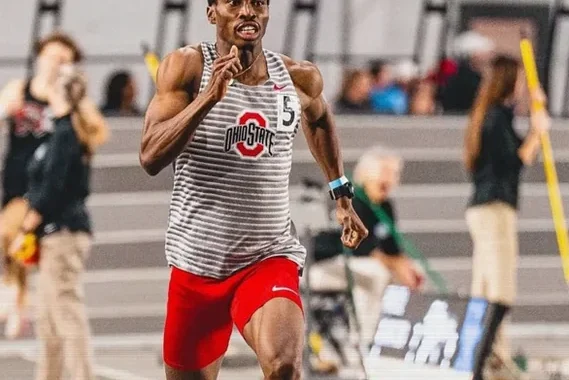
More than 15,000 athletes are expected to take part in 28 sports at 10 venues, making the Games a major moment for Nigeria’s youth development programme. Alongside preparations for the contests and the wider spectacle, the LOC believes the way the event is reported will be equally significant.
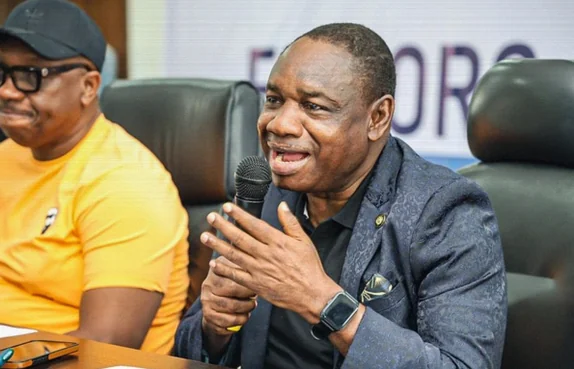
Speaking at a media parley in Lagos, Gbenga Omotoso, chairman of the Media and Publicity Sub-Committee and Lagos State Commissioner for Information and Strategy, stressed that journalists, editors and broadcasters would be vital to the Games’ success.
Omotoso said the media had demonstrated its influence by helping place Lagos on the global stage, calling journalists “formidable partners in progress.” He also acknowledged the press’s consistent contribution to presenting Lagos as one of Africa’s leading sporting centres, with reporting on previous competitions helping to establish the city’s reputation for excellence.
He said the LOC would pursue openness and cooperation throughout the preparations, adding that journalists would have access to officials for explanations while their constructive scrutiny would be encouraged.
“We want you to serve as our eyes,” Omotoso said. He added that the committee would accept criticism where shortcomings were identified and would be prepared to act on recommendations aimed at correcting them.
The commissioner pointed to Lagos’ history of hosting major sporting occasions, including the first National Sports Festival in 1973 and the 2012 edition, which remains widely viewed as the best organised in the competition’s history.
He pledged that Eko 2026 would continue that tradition by pursuing international standards and establishing fresh benchmarks for youth sport across Africa.
For the LOC, the media’s responsibility extends beyond delivering information. It sees the press as an active partner in determining the direction of Nigerian sport, both by bringing the experiences of young competitors to a wider audience and by scrutinising the organisers’ work.
Through those two roles, the media will help determine whether Eko 2026 is remembered merely as a sporting contest or as a defining step in the development of the nation’s sporting future.