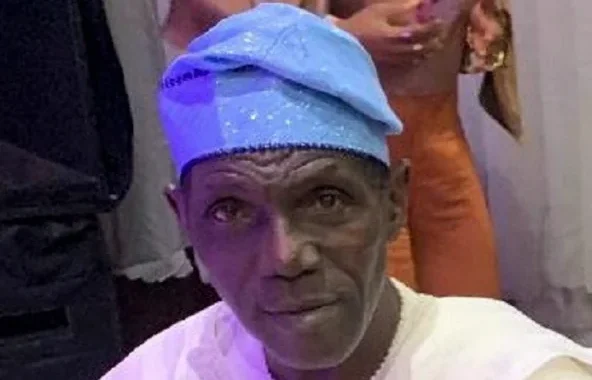
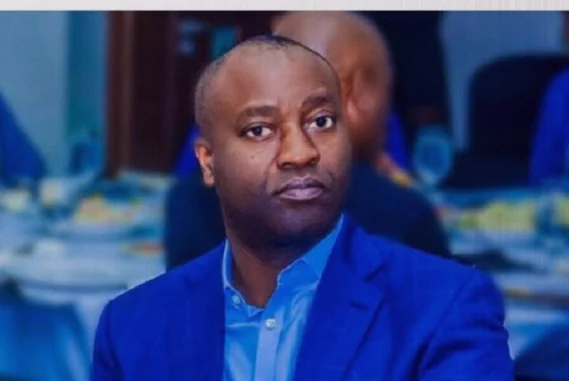
Yemi Idowu, a football administrator and vice-chairman of the 10-year Football Development Masterplan, has described Nigeria’s current football crisis as a foreseeable “catastrophe” and said the game can only be rescued through a decisive return to grassroots development.
The Nathaniel Idowu Foundation founder said the situation resulted from neglecting the sport’s foundations rather than coming as an unexpected setback. He nevertheless appealed to Nigerians to avoid pursuing or blaming former leaders of the Nigeria Football Federation (NFF).
Idowu questioned how Nigeria could expect to compete in an African Under-17 tournament without first organising a national Under-17 competition. He also asked how state-level Under-17 football could function when there are no equivalent competitions at local-government level.
He said the sport should operate as a pyramid, with each level supplying players and strength to the next: local government football must support the state, the states must feed the regions, and the regions must produce the national team.
Idowu highlighted the difficulty of expecting 16-year-olds to succeed at an African championship within six months and at a World Cup in 12 months when they have never played regularly on a full-size pitch. Such an outcome, he said, was unrealistic, insisting that Nigerian football must return to its fundamentals.
He also defended the federal government’s investment in sport, arguing that spending between 2023 and 2026 exceeded the combined allocations of all previous periods. The reform framework, Idowu said, already exists and only needs to be implemented as recommended.
The club owner was equally direct about the qualities required of football leaders. In his view, a person who has never played the game, does not operate a team and has no experience managing a player cannot provide effective leadership as a chairman.
He further rejected the idea of choosing NFF leadership through geopolitical rotation, arguing that football should be decided by competence and performance rather than political considerations.
Idowu described the NFF president’s decision to resign as an act of personal sacrifice that could create space for change. He also urged former federation presidents to remain engaged, saying their continued involvement would help Nigeria present a united position to FIFA.
His criticism extended to the National League, where he warned that the country’s transport limitations make the competition vulnerable. With no railway service and only limited access to airports, sending a team from Zamfara to Cross River, he said, could easily lead to the league’s collapse.