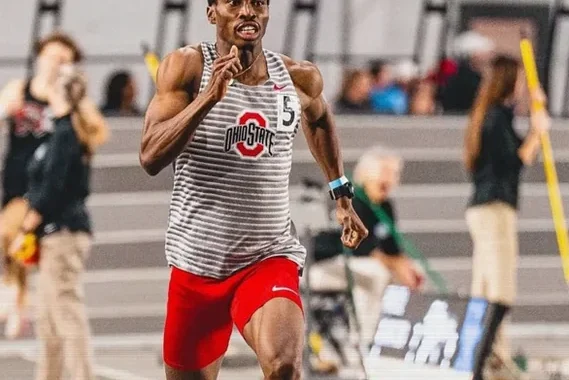
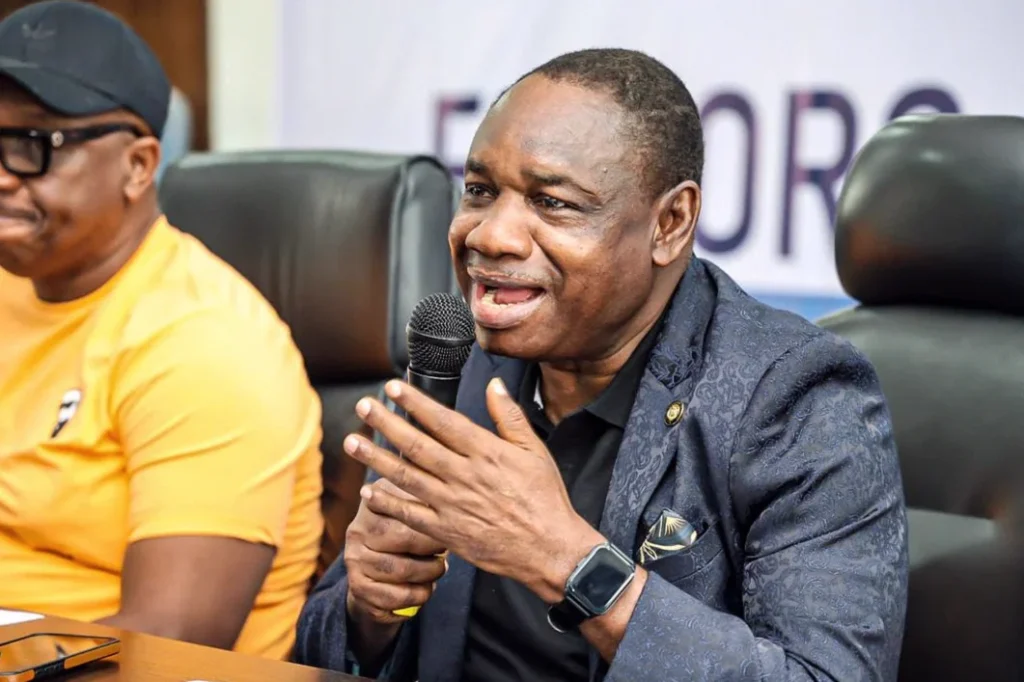
Lagos State will host the inaugural National Intermediate Games, Eko 2026, from October 1 to 15 at venues such as Teslim Balogun Stadium, the National Stadium Complex and the University of Lagos. The Local Organising Committee (LOC) and senior state officials this week briefed sports editors and education correspondents on plans for what they described as an outstanding championship in the “State of Excellence”.
At a Tuesday meeting at the Bagauda Kaltho Press Centre, the LOC presented details of a competition expected to attract between 10,000 and 15,000 athletes aged 15 to 18. Participants will compete in 28 sports and 31 individual events. Officials said the project is intended not only to address organisational demands, but also to fill a major gap in Nigeria’s sports system, tackle age falsification, boost business activity and strengthen national unity.
For years, sports administrators have highlighted the missing link between the under-15 National Youth Games and the senior National Sports Festival. That break in the competitive pathway often leaves teenage athletes without suitable events during an important stage of their development, causing some to abandon organised sport. Eko 2026 is intended to establish a lasting level of competition for athletes between 15 and 18.
LOC Chairman Sam Egube, who is also Deputy Chief of Staff to Governor Babajide Olusola Sanwo-Olu, said the governor’s backing had been crucial to the initiative. Egube expressed his gratitude for Sanwo-Olu’s “single-minded” support, saying the governor had championed the Games, youth development, infrastructure and economic growth. He added that Lagos could rightly be described as Nigeria’s gateway to the world, the country’s strongest opportunity for success and the world’s gateway to Nigeria.
Egube named Teslim Balogun Stadium, the National Stadium Complex, Rowe Park, Yaba College of Technology, the University of Lagos, Elebata Sports Center, the Tafawa Balewa Square Cricket Oval and Mobolaji Johnson Arena among the facilities earmarked for events. Additional venues in Surulere, Ikorodu, Epe, Agege and Badagry are also being expanded.
He said the arrival of more than 15,000 young athletes would bring value to Lagos beyond the medal table. The visitors, he explained, would experience a city of opportunity and return home with new ambitions, ideas and possibilities. Their presence would also show that religion, tribe and ethnicity cannot permanently separate Nigerians because sport has the power to unite them.
On the economic impact, Egube said businesses around the venues would benefit from the increased movement of people, with small enterprises encouraged to serve athletes, officials and visitors. However, he maintained that the most important outcome would be a reliable route for grassroots prospects to advance into senior national teams, the National Sports Festival and continental and global competitions. Discovering talent, he said, would be only one part of the Games’ eventual reward.
Egube also called on journalists to report the event in a constructive manner, saying the media influences how Nigeria’s direction and achievements are understood both domestically and internationally. He urged reporters to highlight the country’s successes, development and progress.
He further asked the press to remember that the competitors are Nigerian athletes whose importance extends beyond the Lagos event. Rather than concentrating on shortcomings, he said coverage should emphasise what the country possesses and the advances it is making. The Games, he added, could represent Nigeria’s best opportunity for the future, with that future beginning immediately.
Gbenga Omotoso, Lagos Commissioner for Information and Strategy and chairman of the Eko 2026 Publicity Sub-Committee, underlined the importance of the state staging the first National Intermediate Games. He also appreciated the veteran sports editors who attended the briefing. Referring to a Yoruba saying, Omotoso suggested that an unusual sight is often a sign that something significant is taking place, and said the coming competition would be a major event.
He said the intermediate category would allow Nigeria to locate and monitor promising athletes between the youth and professional levels. The purpose, he explained, was to keep them active, identify their abilities and give the public a chance to see young performers capable of representing the country in the future.
Omotoso said Governor Sanwo-Olu had personally committed to ensuring that the Games met a high standard. Lagos, he noted, would not merely stage the first event of its kind; it would do so with excellence, in keeping with the state’s identity.
He cited Lagos’s successful hosting of EKO 2012 as proof that the state could organise a major event on a large scale. Omotoso recalled that visitors and officials from that occasion were so impressed that they later looked to Lagos for guidance when preparing events elsewhere. He described the experience as magical and promised a similarly strong delivery for Eko 2026.
Fatodu links Games to fight against age fraud
Lekan Fatodu, Director-General of the Lagos State Sports Commission, said National Sports Commission inspection teams had visited the proposed facilities and were satisfied with the state’s level of preparation. He described the media session as the LOC’s first public engagement on the Games and thanked journalists for helping to promote both the event and the athletes it will feature. Without the media, he said, the significance of the competition could not be amplified.
Fatodu identified the creation of a legitimate age group as one of the tournament’s main objectives. He recalled that Lagos submitted more petitions than any other state at previous under-15 competitions after questioning participants it believed were aged 18, 19 or 20. The state had insisted that athletes in the younger category must genuinely be 15, and argued for a recognised bridge between the Youth Games and the National Sports Festival.
He said the system would create a clean development route and help end the use of false or multiple identities, practices that can later damage athletes’ international careers. Fatodu pointed to the Commonwealth Games, where competitors aged 15 and 18 take part in the categories that properly match their ages, as an example of the standard Nigeria should pursue.
“That is the Nigeria we want to begin presenting,” Fatodu said, adding that Lagos hoped to make excellence, ambition and championship development central to the Games. He described sport as more than entertainment: it is also a means of diplomacy and a way to build unity among Nigeria’s many communities and languages. All 36 states and the Federal Capital Territory are expected to take part in Lagos.
Fatodu regarded the briefing as an important first step for the LOC. He said the media would be essential in bringing attention to the talent Lagos is preparing to showcase and in reinforcing the state’s status as Nigeria’s sports powerhouse and centre. Lagos, he added, would be welcoming not only competitors but future champions destined for national, continental and international representation.
Ogunlende connects Games with youth policy
Mobolaji Ogunlende, Lagos Commissioner for Youth Development and LOC Co-Chairman, placed Eko 2026 within the state’s wider youth strategy under the Sanwo-Olu administration’s THEMES+ agenda. He said the second term of the programme had placed greater weight on inclusion.
Ogunlende argued that Lagos’s large youth population makes sustained investment in young people vital to the progress of both the state and Nigeria. Without developing and giving greater visibility to the youth, he said, neither Lagos nor the country could achieve its full potential.
He concluded that the Games would serve national togetherness as well as athletic progress. Thousands of young people arriving in Lagos, the city of dreams, to compete for honour and victory would demonstrate the strength of a shared purpose. Ogunlende also thanked the journalists who attended, agreeing with Egube, Omotoso and Fatodu that consistent media attention before October would be essential to the success of the event.
Work is continuing at venues in Surulere, Yaba, Ikeja and the coastal centres as Lagos prepares its facilities to receive delegations from across the federation before the Games begin in October.