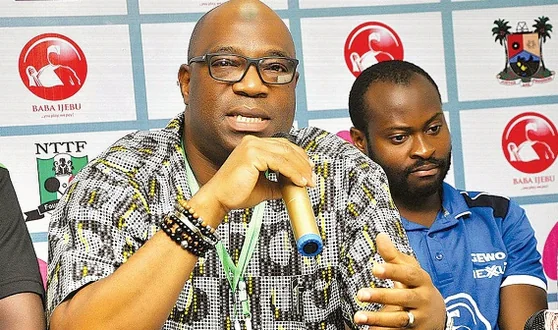
ITTF Africa president Wahid Oshodi has hailed the delivery of the Dakar 2026 Youth Olympic Games, saying the event has presented Africa as a capable host of major international sporting occasions.
Key takeaways
- Oshodi said transport, competition standards and the welcome received in Dakar had all been impressive.
- He described the Games’ opening ceremony and African cultural programme as a source of continental pride.
- The ITTF executive met current IOC president Kirsty Coventry and former president Thomas Bach during the event.
- Oshodi regards table tennis team titles as the defining achievements of his administrative career.
- He believes successful sports administration requires specialist training, knowledge and sustained commitment.
Dakar event highlights Africa’s potential
Speaking during the Youth Olympic Games in Dakar, Oshodi said the competition had given the continent a powerful platform to demonstrate its warmth, cultural identity and ability to organise sport at the highest level for an international audience.
“Everything has gone well,” he said. “The transport has been outstanding, people have been exceptionally welcoming and the sporting competition has been very strong. The opening ceremony was remarkable, really beyond expectations. The cultural performances reminded us of what Africa represents and gave us great pride.”
The former Lagos State Commissioner for Sports said the Games had created a rare opportunity for Africa to promote its assets both in competition and beyond the venues.
Oshodi, who is also an Executive Vice President of the International Table Tennis Federation, held meetings with IOC president Kirsty Coventry and former IOC president Thomas Bach while in Dakar.
Experience, team success and administration
His structured career in sports management began at the Lagos State Sports Council in 1999. He has subsequently held roles with the Lagos State Table Tennis Association, Nigeria Table Tennis Federation, African Table Tennis Federation, ITTF and Nigeria Olympic Committee, as well as serving on a number of IOC working groups.
Despite that wide-ranging record, Oshodi said the moments he treasures most involve team triumphs in table tennis. He linked those results to detailed preparation, structured planning and investment in player development.
“Winning team competitions in table tennis brings the biggest medals,” he said. “We made proper plans, prepared thoroughly, trained well, appointed the appropriate coaches and everything came together as we had hoped.”
Oshodi also underlined the importance of ambition and passion in producing athletes and sports leaders. He recalled being persuaded of Nigerian standout Quadri Aruna’s potential when the player declared that he wanted to become “the greatest table tennis player ever.”
He dismissed any suggestion that managing sport is straightforward, insisting that administrators need formal education, technical understanding and professional competence.
“Loving sport is one thing; serving as an administrator is something completely different,” Oshodi said. “People do not see the work that goes on behind the scenes in sports administration, while the level of education needed is frequently underestimated.”