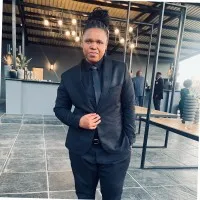
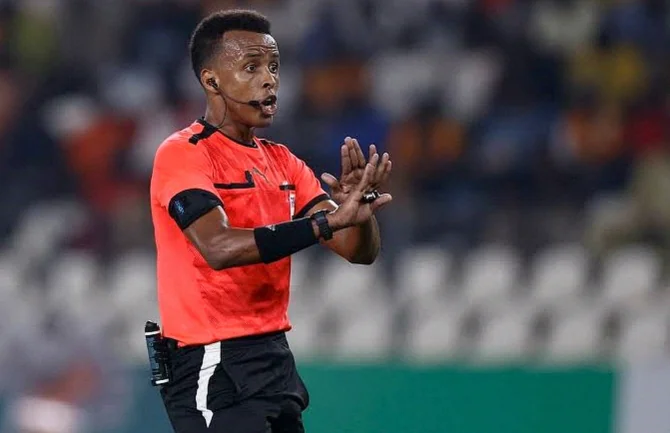
Somali official Omar Artan said refereeing Wednesday’s UEFA Super Cup clash between Paris Saint-Germain and Aston Villa in Salzburg felt like his own “World Cup”.
The 34-year-old had been unable to officiate at the World Cup after US authorities refused him permission to enter the country.
Artan was stopped when he arrived at Miami International Airport, even though FIFA had included him among the referees appointed for the tournament.
UEFA posted a photograph on X of a match ball from Wednesday’s fixture, signed by Artan with the words: “This was my World Cup”.
The governing body described it as “a special Super Cup souvenir from Omar Artan”.
After Artan’s detention in Miami, UEFA invited him to take charge of the Super Cup, a match PSG won 2-1.
A US State Department representative said at the time that the referee was “associated with suspected members of terrorist organizations”, which meant he was “ineligible for admission to the United States”.
Artan denied the accusations, while his treatment triggered anger in Somalia, where he received a hero’s welcome after returning home.
He later thanked UEFA and the Confederation of African Football (CAF) in a message on Instagram.
“I am grateful to everyone who helped make this happen,” Artan wrote. “In particular, UEFA showed faith in me, gave me this opportunity and received me on its continent with open arms.
“I also thank my own confederation, CAF, for its backing and for helping to make it possible.”
UEFA said its decision to select Artan followed the cooperation agreement it concluded with CAF at the end of April, designed to strengthen ties between the two confederations.
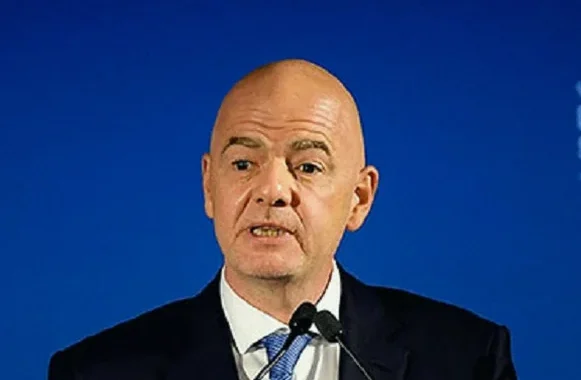
However, the appointment also represented a political signal from UEFA, which has frequently challenged FIFA. Its significance has grown amid the dispute between the European governing body and FIFA president Gianni Infantino over recent weeks, particularly the abandoned proposal to allow private investors greater access to the World Cup.
The collapse of that proposal was driven largely by an uprising led by UEFA. The European body continues to hold out the possibility of boycotting FIFA competitions, including the World Cup, as it seeks to pressure Infantino into resigning.