
Story audio is generated using AI.
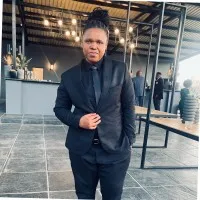
Award-winning singer Makhosazana Masango, better known as Azana, is entering a major new phase of her public career after being named among the 12 finalists vying for the Miss South Africa 2026 title.
From soulful music to the Miss South Africa stage
While Azana is widely recognised for her soulful sound, she says her move into pageantry is rooted in the same desire that drives her music: using her platform to create meaningful change in communities.
The performer has reflected on her shift from the music business into the pageant world, including her reasons for entering Miss South Africa, the advocacy work she hopes to expand and her plans for her recording career.
An early pageant win
Azana’s connection to pageantry began in 2015, when she was 15 years old and won Miss Chesterville, a competition held in the township where she was raised. At the time, she said she did not understand how influential pageantry would eventually become in her life.
Her mother’s focus was primarily on her education, and Azana entered the contest almost by chance after a neighbour told her about it. She wore her neighbour’s clothing for the event and ultimately took home the title.
She has long believed her calling was to serve others through music, but she never expected that her passion for singing would guide her back to pageantry or reshape both her own future and that of people in her community.
Azana says the transition has felt natural for both her and her fans. The principles she represents as a Miss South Africa finalist and an Empower Youth Africa ambassador are values she had embraced long before joining the competition, making the new role a welcome step.
A return home sparked a new mission
In 2025, Azana released Amacala Othando with acclaimed musician Big Zulu. The success of the track gave her room to pause after five relentless years spent recording, travelling and performing in the music industry.
She returned home in search of calm, and although she found the peace she needed, she still felt an intense pull to make music. Living deep in rural KwaZulu-Natal, however, meant there were no recording studios nearby.
Instead, she established a choir at Phuzulwazi Secondary School, a move that exposed her directly to the hardships facing her own area and many South Africans living in under-resourced communities.
- Her experience at Phuzulwazi Secondary School introduced her to philanthropy.
- She realised her voice could be used to bring constructive change to her community.
- She submitted numerous proposals to different brands, seeking involvement in their corporate social investment initiatives.
- She concluded that she needed a strong team behind her to advance the work effectively.
That need for support and a larger platform was a key reason behind her decision to enter Miss South Africa.
Empower Youth Africa and a continued music future
Azana has not stepped away from music, despite appearing quieter on the recording front. Her Empower Youth Africa initiative involves launching choirs at marginalised schools around South Africa while also pursuing business support to provide the infrastructure and facilities children and teachers need to succeed.
She describes the advocacy programme as central to who she is. This year, she has chosen a different way of experiencing her artistry by sharing it with a new audience: her pupils and the country’s future investors.
New music is still on the way, she said, stressing that music is what enabled her to reach her current position.
Lessons learned on stage
Azana believes she has unknowingly prepared for the Miss South Africa role throughout her life. Years of travelling across South Africa and performing for people from a wide range of social and economic backgrounds have helped her understand the country and its people.
She has performed for communities facing severe disadvantage as well as for the country’s most affluent audiences. That experience, she says, taught her how to connect because she sees herself as no different from the people she performs for.
Her work as an artist has also shown her that South Africans are respectful and eager to see improvements in their communities and the economy. It has taught her to face large crowds, overcome fears around public perception and place her purpose above limitations.
A crown with a community-focused purpose
Azana sees no divide between her identity as a soul singer and the role of Miss South Africa. In her view, a Miss South Africa is also a “soul woman” — someone who carries her country with her and campaigns for transformation, much like Azana does through her songs.
She believes the essence of who she is and the responsibilities attached to becoming Miss South Africa are deeply linked in a way that resonates across the country.
If she wins the crown, her greatest ambition is to transform Phuzulwazi Secondary School. Having used her community’s identity to highlight its economic struggles, she says she now wants to restore its dignity by securing the infrastructure, access and opportunities learners and teachers require to flourish.
Looking ahead, Azana says that if she becomes Miss South Africa, she will make decisions that best suit her year of reign. She plans to use every resource and opportunity provided by the Miss South Africa organisation while growing her social enterprise so her advocacy and initiative can continue long after her reign ends.
She is excited to map out that future alongside her new team.