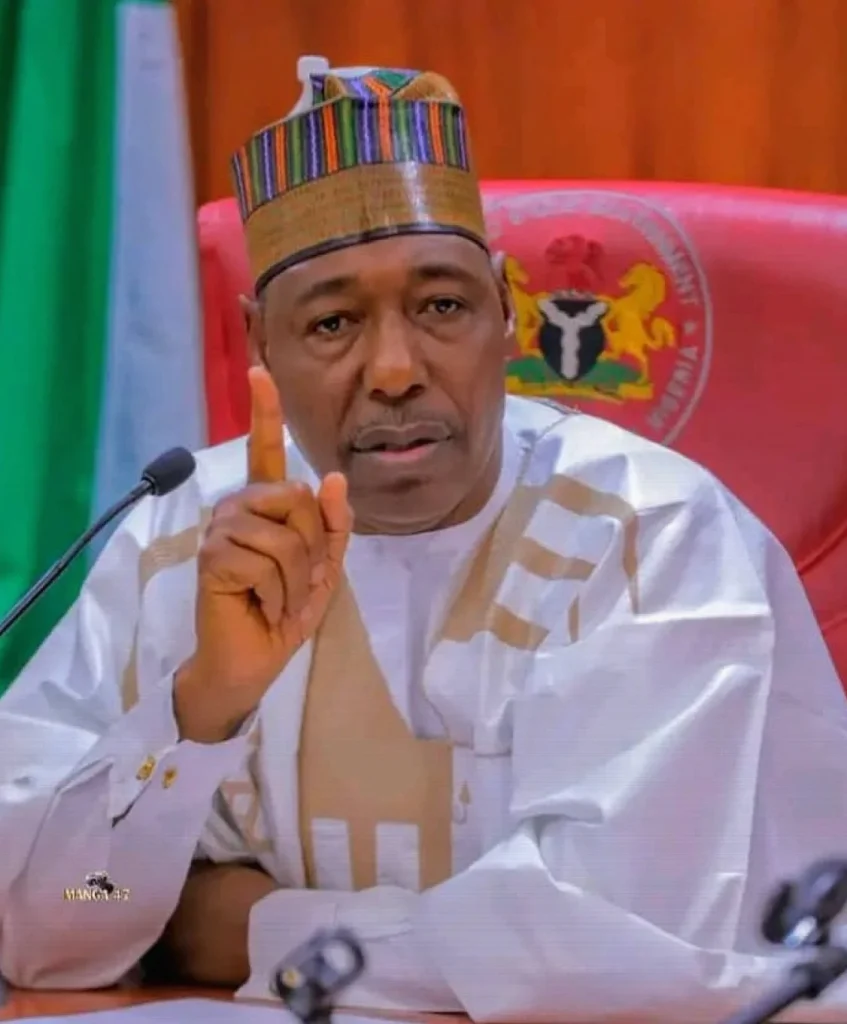
Borno State Governor Babagana Umara Zulum said metal scavengers stripped electricity cables worth billions of naira across the state, including wiring installed for a power transmission project costing more than ₦3 billion.
Key takeaways
- Borno has prohibited scrap-metal trading over concerns about infrastructure theft and security risks.
- The Damaturu-to-Maiduguri electricity distribution connection was stripped of its wires after the state invested over ₦3 billion in the project.
- Zulum said hundreds of scavengers had died while collecting metal in communities still unsafe for civilian access.
- Security reports indicate insurgents may be using scrap-metal merchants to dispose of looted materials.
- Licensed traders may remove scrap gathered before the prohibition from approved collection points.
Infrastructure losses prompt trading ban
Zulum said the loss of power-distribution cables was one of the infrastructure and security problems that led his government to halt scrap-metal commerce in Borno.
Speaking during a weekend meeting with scrap dealers, the governor asked the traders to present workable proposals that would allow them to continue operating without endangering public security or destroying government assets.
He said the restriction was not designed to deny dealers their income. Rather, it was intended to safeguard state-owned facilities and tackle security threats associated with unregulated scavenging and metal trading.
“We spent more than ₦3 billion to connect an electricity distribution line from Damaturu to Maiduguri, but unfortunately, we lost all the wires to metal scavenging activities,” Zulum said.
Security concerns and relief for legitimate dealers
The governor said scavenging had also placed workers in serious danger, especially when they entered villages where conditions had not yet become safe for civilians.
“Before the ban, hundreds of your members were killed while scavenging for metals in villages that were not yet safe for civilian activities,” he said.
Zulum further said intelligence findings suggested insurgents were using the scrap-metal market to sell materials taken through looting. He said dealers had been used as channels for disposing of stolen items and that the administration could not overlook the risk for political considerations.
He emphasized that the government had no personal motive for shutting down the trade, describing the measure as necessary to protect residents and preserve public infrastructure.
The governor said he remained concerned about the commercial impact on traders and did not want people to lose their means of support without cause.
“We have allowed genuine operators to evacuate the scrap metal they collected before the ban from designated locations to reduce the impact of the restriction on their businesses,” Zulum said.