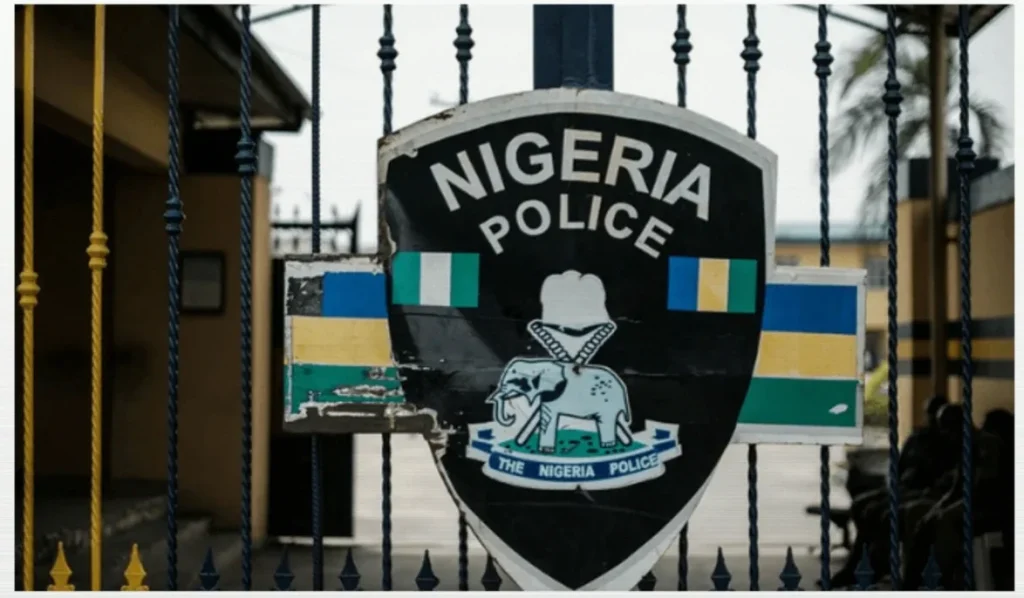
Kano State Police Commissioner Ibrahim Adamu Bakori has defended the decision to block a venue reserved by the Tinubu Must Go (TMG) movement, saying the measure was intended to safeguard both the organisers and the wider public.
Quick facts
- TMG members protested the police intervention on Sunday, October 11, 2026.
- Convener Abba Hikima said more than 10 mobile police vehicles had been deployed to the venue.
- Police said the planned event could have drawn about 700 people.
- Bakori said the command had previously provided security for the movement’s activities.
In a livestream posted on his verified Facebook account, TMG convener Abba Hikima said the heavy police presence had prevented the group from gathering. He said the deployment included more than 10 vehicles carrying mobile police officers.
Hikima accused the police of infringing the group’s constitutional and civic freedoms. He argued that organisers were not legally required to seek police approval before convening the meeting.
The group had planned to assemble at the location to exercise its civic rights, he said, adding that the episode strengthened its campaign against President Tinubu. Hikima said an Appeal Court ruling upheld the right to stage rallies without first alerting security agencies.
He said the movement would return to the streets for future protests and demonstrations. Hikima also accused Inspector-General of Police Olatunji Rilwan Disu and Bakori of allowing political considerations to shape their actions.
Bakori said TMG was entitled to organise a gathering and that no law compelled it to notify the police. But he said advance notice would have enabled the command to manage the event, prevent tension and protect participants from possible attacks.
The commissioner said he first became aware of the planned meeting through social media on the preceding night. He then contacted Hikima, who confirmed that the group intended to hold an event.
Bakori said he asked the organiser to formally inform police so security preparations could be made. He also requested that the meeting be deferred pending discussions with the command, but Hikima said he would consult other members before replying.
After that exchange, Bakori said, repeated attempts to reach Hikima did not receive a response. Police needed details on the number of expected attendees and where visitors would be accommodated in order to evaluate risks, he added.
The commissioner pointed to an incident in Sabon Gari roughly two weeks earlier, when police seized weapons and detained individuals who said they had travelled to Kano for political activities. That episode heightened concerns about another gathering expected to attract about 700 people, he said.
Police did not know the identities of the anticipated participants or where they would stay, Bakori said. The command’s responsibility was to ensure the safety of visitors as well as Kano residents.
He said individual freedoms must be balanced against the rights of others. The police did not know the event’s precise purpose and only wanted organisers to meet officials so the command could understand the plans and provide protection, he added.
Bakori rejected claims that the intervention served any political party, saying the police command’s focus was peace and public security. He said officers had protected TMG’s earlier activities and urged organisers to give advance notice before the proposed meeting is held.