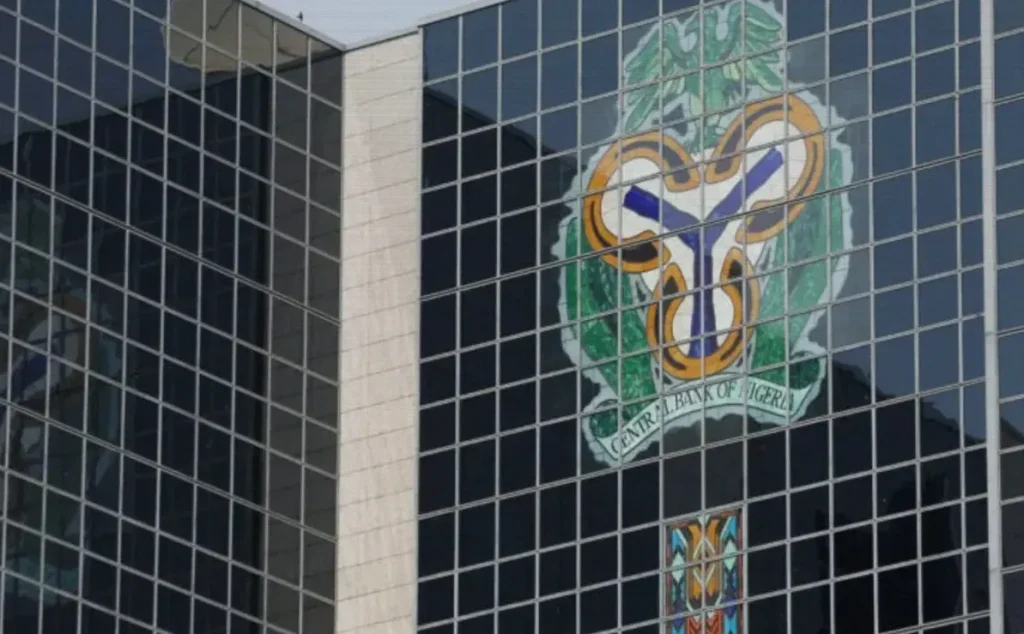
Nigeria’s central bank has not published its annual financial statements for years, even as the law requires the apex lender to release audited accounts every year. A review of the Central Bank of Nigeria’s website showed that the most recent publicly available annual report and financial statements cover the 2022 financial year, leaving a gap since statutory deadlines for later periods.
Legal requirement to publish audited accounts
The Central Bank of Nigeria Act sets out clear obligations for disclosure and publication. Section 50 requires the bank to prepare, certify and submit annual financial statements, then publish them through channels specified under the law.
Under the provisions cited, Section 50(1) obliges the CBN to send a copy of its annual accounts—certified by an external auditor—to both the President and the National Assembly within two months after the close of each financial year.
Section 50(2) further states that the annual report delivered to the President and the National Assembly must be published in a way directed by the CBN Governor, while Section 50(3) requires the CBN Board to ensure publication in the Federal Government Gazette “as soon as possible.”
Publication gap extends beyond 2022
Despite these statutory instructions, the CBN has not published annual financial statements beyond the 2022 financial year. The omission is notable given that the central bank regulates the broader financial system and issues reporting requirements for banks and other institutions in Nigeria.
Financial analyst Kalu Aja said on X on Thursday that Nigeria’s central bank, which requires annual returns from banks, has not released an annual report and statement of accounts since 2022.
Consolidated accounts released in 2023
While the annual statements for later years have not been made publicly available in the same manner, the CBN did publish consolidated financial statements covering seven years on August 11, 2023. The disclosure marked a first instance of such consolidated publication since 2015.
Leadership changes and the Emefiele case
The timeline of CBN governance changes overlaps with the period in which annual disclosures have been incomplete. President Bola Tinubu appointed Olayemi Cardoso as Governor of the CBN on September 15, 2023, after the removal of Godwin Emefiele in June.
Emefiele is currently facing trial on corruption-related charges. Last week, the Supreme Court ordered the final forfeiture of Emefiele’s properties and $2.045 million in cash, according to the report referenced in the account of the developments.
Why the delay matters for markets
Central bank financial reporting is closely watched by investors and analysts because it provides transparency on the institution’s financial position and can influence expectations around policy credibility and governance. The continuing absence of audited annual statements after 2022—despite explicit legal requirements—raises questions about compliance and disclosure practices at the apex level of Nigeria’s financial system.