Nigeria’s economy grew 4.43% year on year in the second quarter of 2026, accelerating from 4.23% in the same quarter a year earlier and 3.89% in the first quarter of 2026, the Federal Ministry of Finance said in a statement issued Tuesday.
Growth broadens across the economy
The stronger second-quarter result raised real gross domestic product growth for the first six months of 2026 to 4.16%, compared with 3.68% during the corresponding period of 2025. The ministry said the expansion was becoming more widely distributed across the economy.
- Twenty-seven economic subsectors posted real growth of more than 3% in the second quarter, up from 23 subsectors in the same period of 2025.
- Manufacturing expanded 3.24%, more than twice the 1.60% rate recorded a year earlier.
- Agricultural output increased 4.39%, compared with 2.82% in the second quarter of 2025.
- Services, the economy’s biggest source of growth, advanced 4.60%, against 3.94% in the comparable quarter of 2025.
Naira stability lifts dollar value
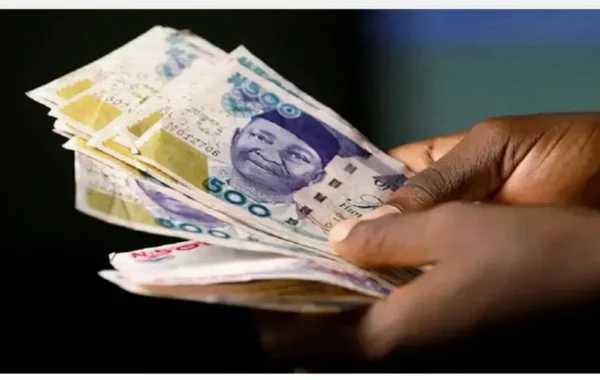
The ministry linked part of the increase in Nigeria’s economy measured in US dollars to the naira’s relative stability and appreciation. The currency gained more than 12% between the first halves of 2025 and 2026, helping produce an estimated 17% increase in the economy’s dollar value over that period.
If the trend continues alongside the government’s social programmes, the ministry said, higher dollar-denominated incomes and stronger purchasing power could help reduce poverty for millions of Nigerians. It added that the latest momentum could help Nigeria reinforce its position among Africa’s largest economies and advance towards the Federal Government’s ambition of reaching a $1 trillion economy by 2030.
IMF outlook and policy priorities
The ministry also pointed to International Monetary Fund forecasts placing Nigeria among the 10 largest contributors to worldwide real GDP growth in 2026. The IMF expects Nigeria to generate roughly 1.5% of global growth this year, exceeding the contributions of several advanced and emerging economies.
In the ministry’s assessment, continued macroeconomic stability, durable expansion in productive industries and stronger investor confidence could speed Nigeria’s rise to Africa’s largest economy by 2028.
The figures also highlighted the importance of maintaining consistent policies and pursuing further economic reforms, it said, so that headline growth produces better living conditions. “The Government remains focused on accelerating inclusive growth and translating these macroeconomic gains into shared prosperity for every Nigerian family,” the ministry said.