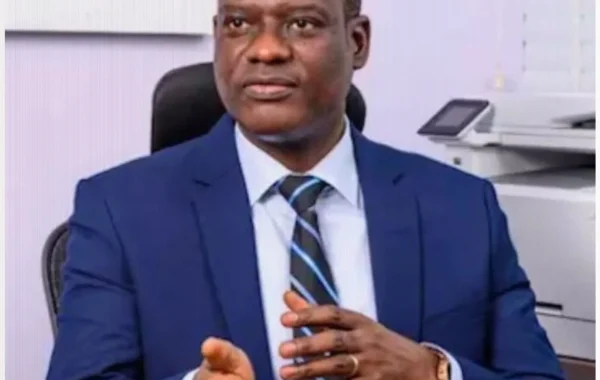
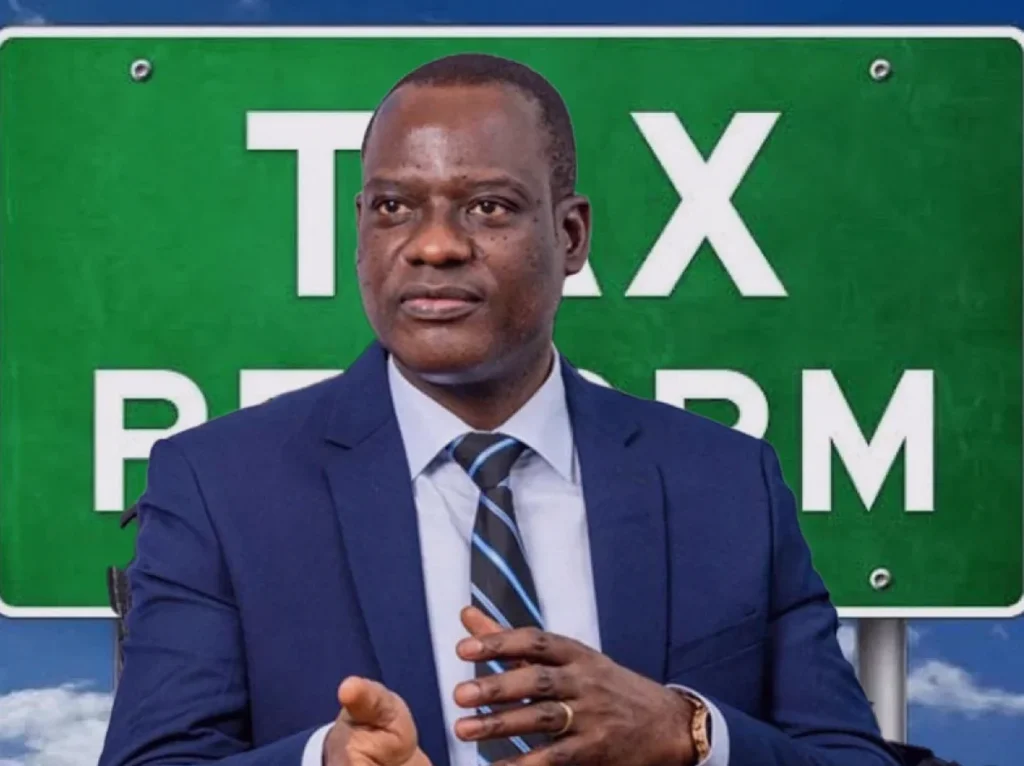
Nigeria’s finance minister, Taiwo Oyedele, has said the N1,350-per-litre petrol price at Nigerian National Petroleum Company Limited retail outlets is a commercial discount rather than a revival of the country’s fuel-subsidy system.
In a statement signed on Friday, Oyedele said the lower price at NNPCL filling stations would not be financed with federal government funds. He set out five points intended to distinguish the company’s retail pricing decision from the subsidy regime ended by the administration in 2023.
How the price reduction works
-
Motorists have paid less for petrol at NNPC Retail Limited outlets since October 1, 2026, after the company reduced its retail margin. Oyedele said the move had provided some relief for households, commuters and transport operators.
-
He rejected claims that the measure represents a renewed subsidy. Every fuel marketer incorporates a margin into the price charged to customers, and a retailer can decide to cut or temporarily eliminate that margin and transfer the benefit to buyers. Under such an arrangement, the retailer absorbs the cost itself.
-
A subsidy, by contrast, arises when the government pays part of the price that consumers would otherwise bear. That cost is drawn from public revenues that could instead fund wages, education, healthcare and infrastructure, Oyedele said. Nigeria’s previous subsidy framework was discontinued in 2023 and will not be restored, he added.
No charge to public finances
Oyedele said neither the federal budget nor the Federation Account is funding the discount. NNPC Retail buys petrol from Dangote Refinery and other suppliers at market-based prices under commercial agreements, then sets its pump price by adding a retail margin.
The price cut is being funded solely through that margin, meaning the N1,350 pump price continues to reflect market conditions, he said.
He distinguished this from sales involving crude oil owned by the Federation. Selling Nigeria’s crude below market value would constitute a subsidy because the resulting revenue loss would be borne by the public sector.
NNPC Retail’s commercial role
NNPC Retail Limited is a fully owned subsidiary of NNPC Limited and began operating more than 20 years ago as a petroleum marketing and retail business. It was created to support the availability, distribution and affordability of refined petroleum products nationwide.
Its mandate includes maintaining product supply across Nigeria and helping contain retail prices, rather than simply maximising earnings at the retail level, Oyedele said. The company has historically sold fuel more cheaply than competing marketers, and the latest discount continues that role.
The minister described the action as a commercial choice that is available to any fuel retailer.
Impact on profits and Federation dividends
Responding to concerns that slimmer margins could reduce NNPCL profits and, in turn, dividends paid to the Federation, Oyedele said that outcome was not inevitable.
-
A reduced margin, including a temporary zero-margin policy on each litre sold, could be offset by higher fuel volumes over time.
-
Lower prices may also strengthen customer loyalty beyond the period during which the discount remains in place.
-
Higher sales volumes and durable customer demand could lift NNPC Retail earnings and increase dividends to the Federation, benefiting both consumers and government finances.
Margin reductions are a standard retail strategy used internationally, he said.
Smuggling and market effects
Oyedele said the petrol retail margin represents less than 5% of the pump price. A reduction within that margin would not materially expand the price difference between Nigeria and neighbouring countries, where petrol is already priced 20% to 40% higher.
As a result, the policy does not create an additional incentive for fuel smuggling and does not generate the market distortions associated with the former subsidy system, he said.
Broader measures to reduce fuel costs
The minister said a subsidy relies on public funds to reduce fuel prices, whereas NNPC Retail’s discount lowers the price paid by motorists without drawing on government money and could also reinforce the retailer’s commercial performance.
He acknowledged that petrol costs remain a major pressure on households and businesses. The NNPC Retail pricing move is one of several measures being pursued to reduce that burden, alongside the expansion of compressed natural gas transport, tax and duty waivers on petrol, and the removal of unlawful charges that add to transport costs.
Each policy is intended to provide relief without returning Nigeria to a fuel-subsidy framework that the country can no longer afford, Oyedele said.