Nigerian civil society groups, Policy Alert and the BudgIT Foundation have warned that methane-emissions rules and related laws are not being enforced effectively. They said the problem has been compounded by insufficient, sustained media coverage of the issue.
At a Tuesday webinar titled “Media, Accountability and Methane Emissions Enforcement,” the organisations said stronger oversight and implementation of existing emissions legislation would improve environmental governance in Nigeria.
Edidiong Dickson, Policy Alert’s lead for energy and extractive issues, criticised the limited accountability of stakeholders responsible for methane emissions. He said this failure has harmed the health, livelihoods and living conditions of communities hosting oil and gas operations. Journalists, he added, are uniquely positioned to bring residents’ concerns into public view and press authorities to apply the law.
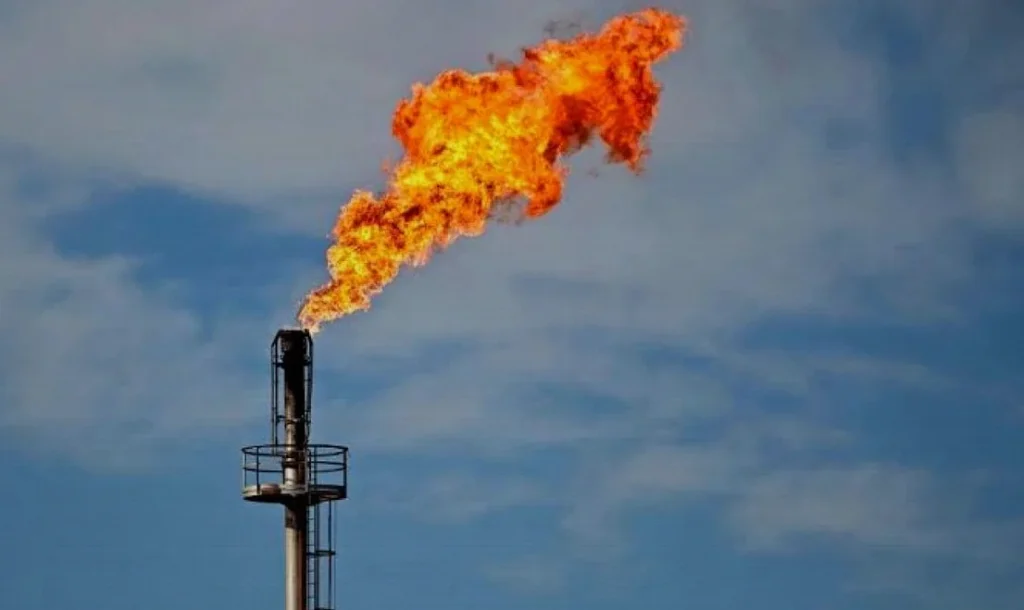
Dickson said gas flaring had for years been regarded as an ordinary operating expense, even though its real burden was borne by host communities through damage to their health, air quality and livelihoods. He argued that inadequate implementation of existing rules allowed operators to avoid accounting for costs that communities continued to pay, making journalists a crucial line of scrutiny between flare sites and the people living nearby.
Enebi Opaoluwa of the BudgIT Foundation also said Nigeria’s methane-accountability system had produced few results because the issue was underreported. He said detailed, consistent coverage could turn failures in technical compliance into matters of public debate, which in turn would increase pressure on regulators to respond.
Opaoluwa said accountability depended first on visibility: authorities could not enforce standards that remained unseen, while problems that went unreported could not be properly identified. In his view, Nigeria already has relevant data and regulations, but lacks effective follow-through, and journalists are central to bridging that gap.
Participants said methane pollution, especially emissions from routine gas flaring, still creates serious threats to the environment, public health and the climate. They called for long-term, evidence-led reporting to raise awareness, examine regulatory compliance, bring the experiences of affected communities to wider attention and assist enforcement agencies in carrying out their duties.