
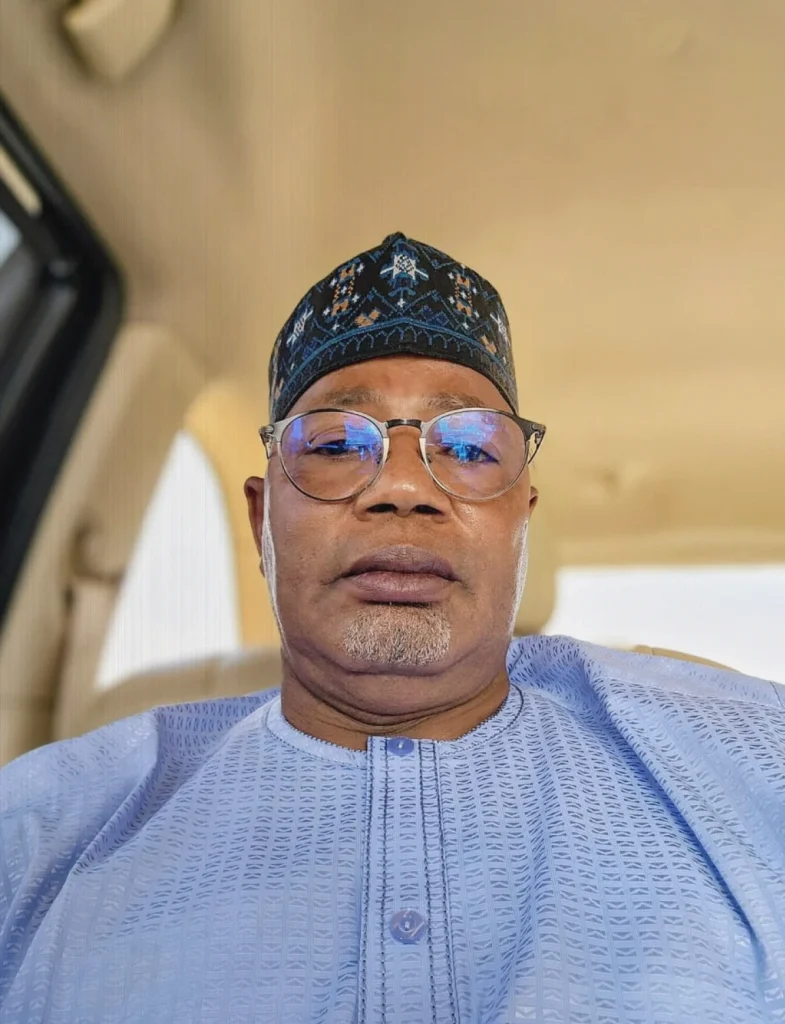
Aliyu Wammako, a former president of the Real Estate Developers Association of Nigeria, has urged President Bola Tinubu to declare a state of emergency over the sharp rise in the cost of building materials, arguing that the surge in house rents across the country is ultimately driven by construction expenses rather than by landlords alone. In a statement released on Thursday, Wammako said the worsening affordability crisis facing millions of Nigerians should be treated as a pressing national issue requiring urgent attention from the administration.
Wammako said the housing problem is understandable, but stressed that policy responses must be built around the underlying drivers—especially the escalating cost of building—rather than focusing only on the visible outcome, which is higher rents. He argued that reducing construction costs would naturally lower the cost of housing for residents, because rent is the final result of a longer economic chain that starts with acquiring land and continues through purchases of building inputs, payment for labour, access to finance, and the availability of infrastructure.
He pointed out that landlords do not “manufacture” rent in isolation, since the price of completed housing depends on multiple purchased components. Wammako said that cement, reinforcement rods, roofing sheets, electrical fittings, plumbing materials and other inputs have become substantially more expensive in recent years. He noted that cement is now nearing N13,000 per bag in many parts of Nigeria, while the prices of steel, roofing products and other key construction items continue to climb frequently. Labour costs, he added, have also risen sharply, with artisans who previously earned around N4,000 per day now charging as much as N8,000 or more.
Wammako said these cost pressures shape the reality for every property developer. In his view, no prudent investor pours hundreds of millions of naira into constructing houses with the expectation of recovering only a small share of that amount. He argued that real estate, like other sectors, is driven by production costs, and if building expenses keep moving upward, rental costs cannot reasonably remain unchanged.
For that reason, Wammako said that if the government is to treat the issue as an emergency, the focus should be on the soaring cost of construction materials and the broader costs of housing production, rather than on rent itself. He argued that intervention should target the factors that raise building costs, including efforts to lower cement and other construction input prices, widen access to affordable long-term financing, strengthen local manufacturing capacity, reduce energy and transportation expenses, and adopt policies that encourage developers to deliver more affordable homes.
He said rents would decline as a consequence of improved housing supply and reduced construction expenses, rather than through approaches that aim to regulate the final rental price while leaving the underlying cost structure untouched. Wammako also said it is important to recognize that the Federal Government has not been inactive, citing ongoing affordable housing programmes and the role of the Federal Mortgage Bank of Nigeria in expanding housing access. He referenced Lagos State as an example, saying billions of naira have been allocated to new housing projects intended to increase the supply of affordable homes.
Wammako argued that such initiatives should be strengthened, expanded and backed, rather than displaced by proposals that could deter private investment in housing development. He said developers are not adversaries of Nigerians, describing them instead as partners in addressing the nation’s housing deficit. He added that any policy that makes building cheaper should also make renting cheaper, and that measures increasing housing supply tend to help tenants more than actions that attempt to suppress rental prices without addressing the economics that determine them.
Concluding his remarks, Wammako said Nigeria needs practical solutions, not emotional reactions, and urged decision-makers to confront the root cause of the housing challenge by making construction less expensive—an approach he described as the most reliable route to affordable housing for Nigerians.