This story is available with AI-generated audio.
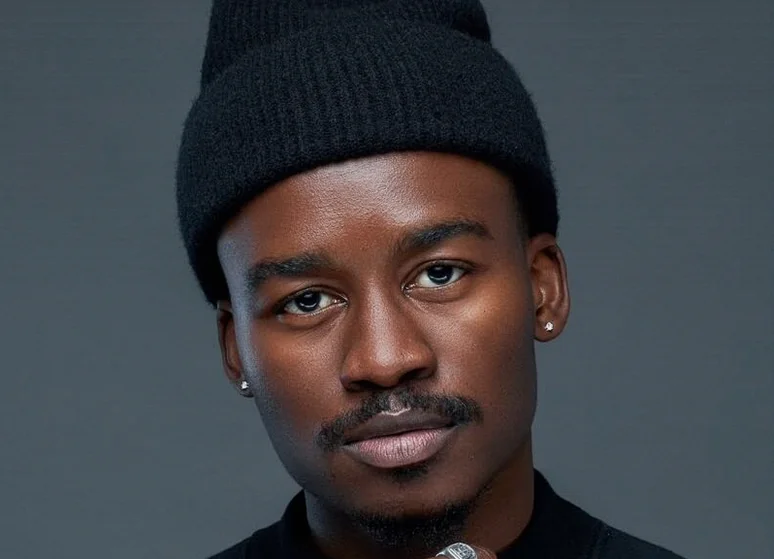
Hungani Ndlovu is entering a fresh chapter in his creative career with his first directing credit on the Cape Town staging of Musical Chairs.
The dance-theatre production, which has received two Naledi Award nominations, will be presented at Magnet Theatre from August 19 to 23. It takes the childhood contest in which players scramble for seats when music ends and reshapes it into a reflection on contemporary life, including the increasingly complicated impact of social media.
Ndlovu is taking on several responsibilities for the production. Alongside directing, he serves as executive producer and appears as part of the cast, a combination that has demanded discipline and constant movement between creative and practical roles.
He says performing requires being immersed in the physical and emotional moment, while directing means stepping back to understand the entire stage, its structure and its narrative. Producing adds another layer, from managing budgets to handling venues. Moving between those responsibilities has made him more decisive, he explained, while also giving him greater empathy for performers receiving notes during a demanding rehearsal or show.
At the heart of Musical Chairs is the question: “When the music stops, will there be a chair for you?” Working in South Africa’s fiercely competitive entertainment sector has led Ndlovu to approach that question by building a career across several disciplines rather than relying on one role.
He reflected that artists can initially feel they must become the very best at a single craft, such as acting. In his view, that mindset mirrors the play’s central trap: everyone pursuing the same seat. Instead, he has developed several professional avenues, including acting, dancing, DJing, content creation, and producing and directing through Rush Productions. His work with the South African Guild of Actors, known as Saga, is another part of that wider path. If opportunities slow in one area, he said, he is not left without another way forward.
Ndlovu also believes purpose helps reduce the pressure to remain constantly relevant. The anxiety becomes louder when visibility is the only goal, he said, but it eases when he is creating a story, business or community with a reason to exist beyond winning a particular round of the metaphorical game. He still feels the strain common to people in the industry, though he now treats it as something to manage rather than a judgment of his value.
More than a decade in entertainment has brought Ndlovu considerable progress, but it has also exposed him to social media users who question his abilities, particularly his dancing. He regards those comments as an unavoidable part of public life and says being visible often makes strangers feel entitled to assess him.
The actor and dancer added that criticism carries less influence when it comes from people who have never trained alongside him, watched him work in rehearsal or endured the physical demands of performing a routine. Posting an opinion is easy, he noted, while creating a sustained body of work requires something far more difficult.
In July 2023, Ndlovu assumed the role of Thabo “Tbose” Maputla on Skeem Saam, taking over from Cornet Mamabolo. The character’s present-day plots have included intense emotional conflict, pressure within his marriage and increasingly serious stakes.
Balancing those soap-opera demands with theatre has required careful coordination between his agent and the Skeem Saam scheduling team. Ndlovu said they have established a workable routine, although it has frequently come at the cost of sleep and time with his family.
He does not simply discard the emotional intensity of Tbose between scenes. Instead, he has learned to hold on to the character’s energy without allowing it to follow him home, describing that separation as a discipline of its own. The relentless pace of daily television has also strengthened his theatre work by teaching him to enter a character quickly and completely, without the gradual adjustment that a slower production schedule might allow.
When discussing the wider entertainment business, Ndlovu said his advocacy through Saga is centred on the belief that South African creatives should retain ownership of their work and receive fair compensation. That principle underpins his support for the Performers’ Protection Amendment Bill and the Copyright Amendment Bill, and he sees Musical Chairs as a practical extension of those values. If he expects the industry to treat performers properly, he believes he must create a production that reflects the same standard.
He also acknowledged that it can be difficult to celebrate some industry milestones when the systems behind them are not based on fairness. Recent Constitutional Court developments involving PPAB and CAB have created momentum and suggest that the legal landscape is beginning to shift in favour of creatives. However, Ndlovu said the entertainment sector still has substantial structural work to do.