Tributes are being shared for American country music legend Dolly Parton, who has died at 80 following health problems. Artists who knew and worked with her are remembering her career, generosity and lasting influence.
Ladysmith Black Mambazo Remember Parton
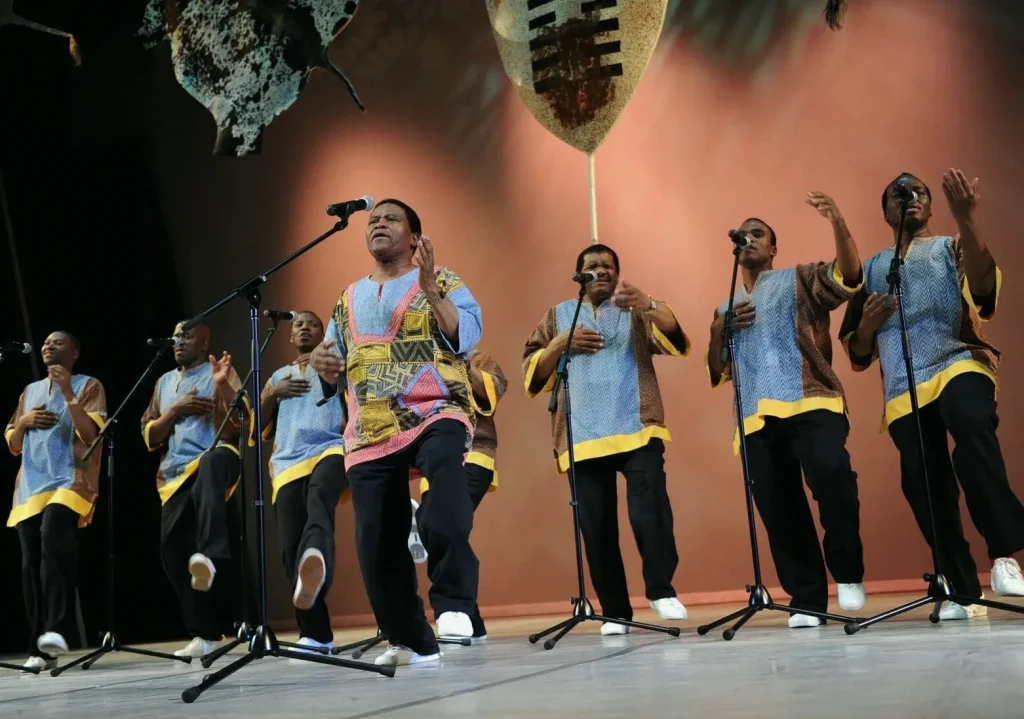
Ladysmith Black Mambazo is among the internationally known acts honoring Parton’s life and work.
- The South African vocal group first worked with Parton in 1995 on a version of “Knockin’ on Heaven’s Door.”
- The collaboration continued on Parton’s album “Treasures,” where they joined her for a rendition of Cat Stevens’ “Peace Train.”
- In November 1996, the group appeared alongside Parton on a US network television special to perform the song.
Sibongiseni Shabalala, a member of Ladysmith Black Mambazo and the son of the group’s founder, Joseph Shabalala, described Parton as far more than a celebrated performer and songwriter. He said she was also a cultural ambassador and philanthropist whose influence reached people across the world.
Shabalala praised the sincerity, warmth and storytelling in Parton’s music, saying her songs connected with listeners from many different backgrounds.
He also reflected on the way the artists combined their traditions, bringing Parton’s emotional country sound together with Ladysmith Black Mambazo’s distinctive South African harmonies. In his view, the result remains a timeless recording with the power to inspire.
A Legacy Beyond Music
Shabalala said Parton’s death represented the close of an important chapter in music, while insisting that her impact would endure through her memorable songs and wide-ranging humanitarian work.
He called on admirers to celebrate her achievements in both music and society, and to continue holding on to the happiness and inspiration she gave millions of people around the globe.
Parton’s Praise for the Group
Before her death, Parton had spoken warmly about working with the five-time Grammy Award-winning ensemble. She recalled first hearing Ladysmith Black Mambazo singing in a Life Savers television commercial and immediately deciding that the group belonged on the project.
Parton said she had long hoped to use music to discover shared ground between people, and that meeting the group—and its founder—made a strong impression on her. She described Joseph Shabalala as a remarkable man and praised the extraordinary quality of the ensemble’s sound.