South African digital creator and fast-rising fashion personality Banele Ndaba is stepping into a fresh chapter—one shaped by personal growth, deeper self-awareness, and a more intentional connection to style.
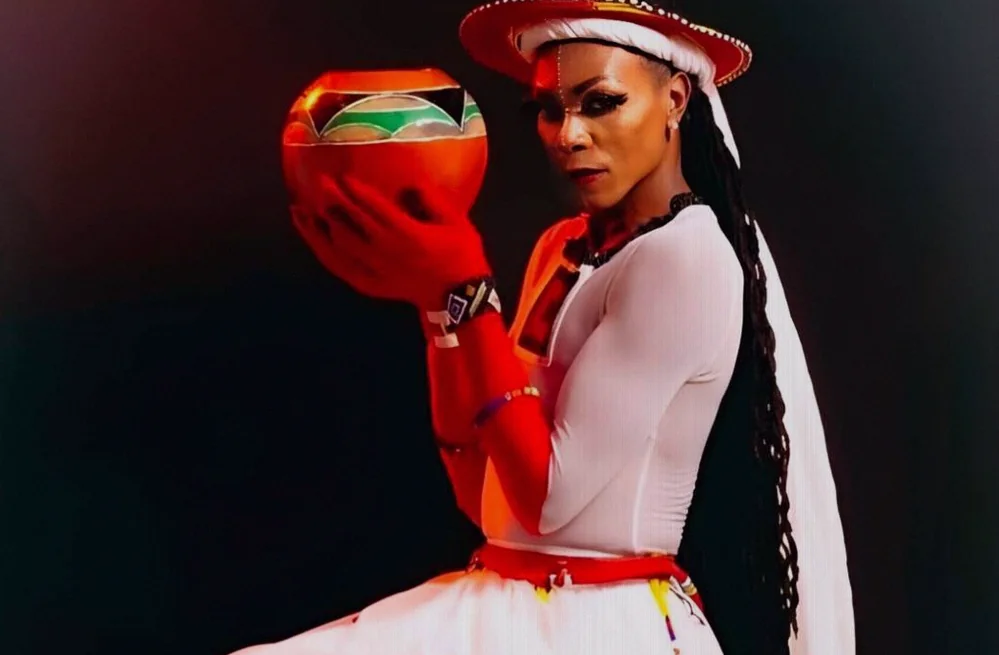
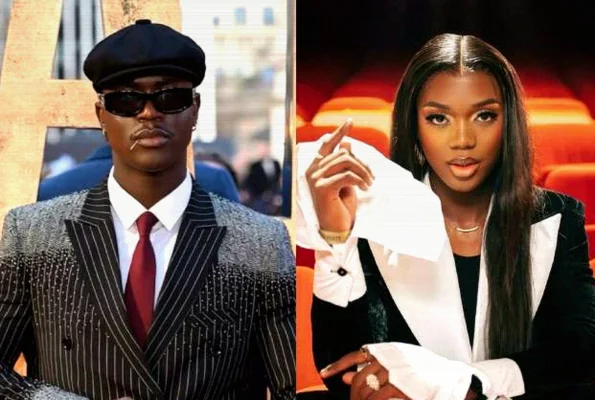
Ndaba first became widely known online through comedic skits and a fearless, feminine-forward presentation under the name Moghelingz. That character helped him build an audience with humour, confidence, and bold self-expression, and it quickly turned into a recognizable platform for his voice. More recently, though, he has started leaning into a more masculine look, a change that has sparked plenty of discussion across social media.
Speaking with Drum, Ndaba clarified that the shift isn’t a total transformation or a sudden reinvention. In his view, it’s simply another expression of who he has always been. He explained that Moghelingz originally served as a newly found outlet for him, allowing him to exist in a more unapologetic way as a queer person. He added that the version of Moghelingz the public first met gave him a genuine opportunity to explore different facets of himself while sharing his journey with the world.
As his appearance and presentation evolve in public, Ndaba says the change reflects growth rather than a break from his past. He described how a large portion of his teenage years—and part of his adulthood—has unfolded under the gaze of others, and how there was a side of him that he feels never got the chance to live freely, particularly the more masculine elements. For him, reconnecting with that part of himself felt natural and right.
While some fans have treated the update as a dramatic makeover, Ndaba insists it’s best understood as an extension of the same identity. He said it’s “who Moghelingz has always been,” only now it appears differently to the public. The message, he emphasized, remains consistent—just presented through a different “font.”
Alongside the visual shift, his relationship with fashion has also matured. Ndaba says style used to feel exciting because it pushed him outside his comfort zone, especially when it came to bold feminine looks. At the same time, he acknowledged that finding clothes that fit properly didn’t always make him feel comfortable, leaving him feeling out of place at times.
Now, he describes fashion as something “fun and freeing,” explaining that he feels more at ease experimenting with different aesthetics while still staying confident in what he wears. He believes the foundation of strong personal style comes from dressing for yourself first, adding that people are naturally drawn to honesty—and that honesty, for him, is simply who he is.
Over the years, Ndaba has evolved from a viral social media comedian into one of South Africa’s most watched fashion personalities, and he credits the growth to something organic rather than forced. He said that when he began sharing more of his current looks, the audience response helped him realize that his influence had expanded beyond what he was originally known for. To him, it’s both exciting and affirming, because it signals that the audience is meeting him in this next phase.
Ndaba also reflected on the reality of being visible in a country where self-expression can be both admired and challenged. He noted that early on, scrutiny could feel intimidating, but he sees it as part of the overall experience of staying in the public eye. Still, he believes authenticity and self-expression can create momentum—saying he learned that staying true to himself has the ability to inspire, spark conversation, and open doors he never expected.
When he talks about inspiration, the 1990s remain a major influence in how he approaches his current style direction. He shared that he has a deep love for that era, describing how it felt vividly present in his home growing up—through music, fashion, and the people around him.
As his cultural impact continues to grow in both fashion and entertainment spaces, Ndaba says remaining grounded is essential for protecting what makes his work feel genuine. He emphasized that the most important thing for him is regularly checking in with himself, making sure what he’s building still matches the person he truly is.