
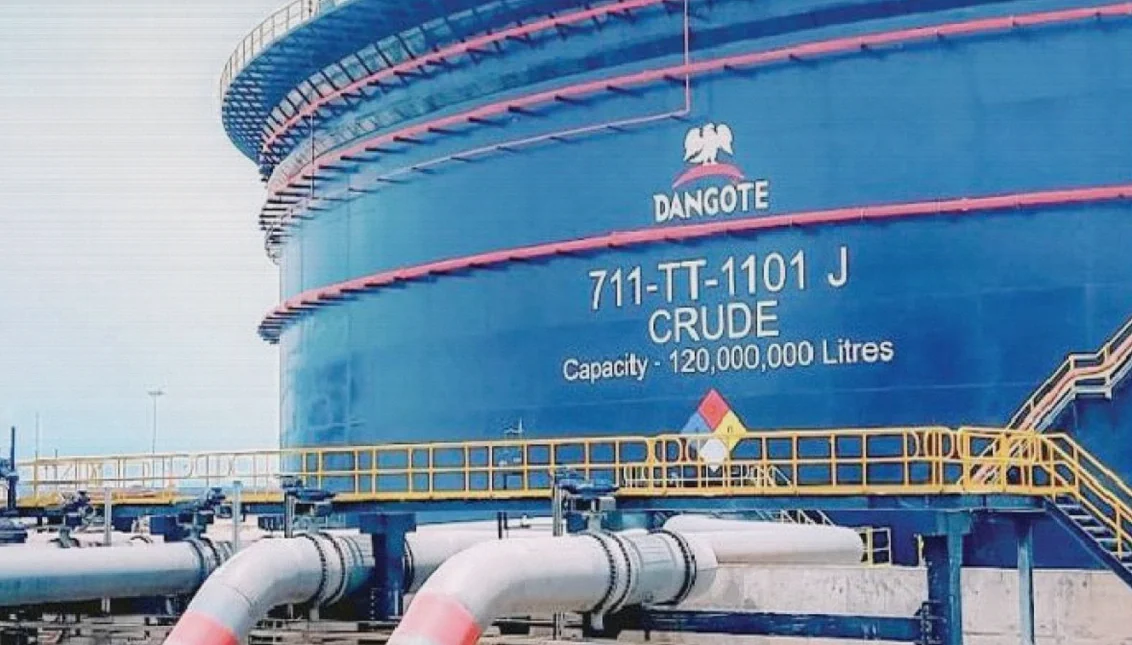
Dangote Petroleum Refinery & Petrochemicals has cut the price of aviation fuel, Jet A1, to 1,650 naira per litre from 1,750 naira, a change intended to reduce operating strain for Nigerian airlines and help keep fuel available nationwide. The adjustment is designed to lower procurement costs for carriers while contributing to more stable flight operations as the industry faces mounting cost pressures.
Key takeaways
- Jet A1 at Dangote’s refinery will sell for 1,650 naira per litre, down from 1,750 naira.
- The company said the move is aimed at easing cost burdens on airlines and supporting steady fuel availability across Nigeria.
- Dangote’s pricing change is part of broader steps that include a 30-day interest-free credit line supported by bank guarantees.
- The refinery is also shifting from pricing tied to dollars to a naira-based structure.
- Industry concerns highlight that aviation fuel is a major cost driver for domestic carriers, with higher Jet A1 prices threatening airline sustainability.
Fuel price cut and wider pricing measures
In a statement issued on Monday, Dangote Petroleum Refinery & Petrochemicals outlined the reduction in Jet A1 pricing, stating that the lower rate is intended to ease cost pressures for airlines. The company’s change applies to the product used by carriers for aircraft operations, with the goal of improving affordability and helping prevent disruptions linked to fuel supply constraints.
The new pricing is presented as one element of a package of interventions. Alongside the rate cut, the refinery is offering a 30-day interest-free credit facility backed by bank guarantees for marketers and airline operators. This is intended to support working capital needs in the short term, helping buyers manage payments without incurring interest costs over the credit period.
Dangote also said it is moving away from a dollar-linked pricing approach toward a naira-denominated model. The shift is meant to reduce currency-related friction for market participants who purchase aviation fuel, particularly in an environment where exchange-rate dynamics can quickly feed into operating expenses.
Pressure on domestic airlines and potential impact on fares
These steps arrive as domestic carriers face rising operational costs, with aviation fuel identified as a substantial share of airline expenditure. Stakeholders have repeatedly warned that increases in Jet A1 prices are squeezing airline finances, creating severe financial strain and raising concerns about the long-term viability of flight services.
By lowering the cost of fuel procurement, Dangote’s decision is expected to provide relief to airline operators. The company’s stated objective is to reduce fuel-related expenses, improve operational stability, and support efforts to moderate airfares—factors that are closely watched by both airlines and passengers as cost pressures mount.