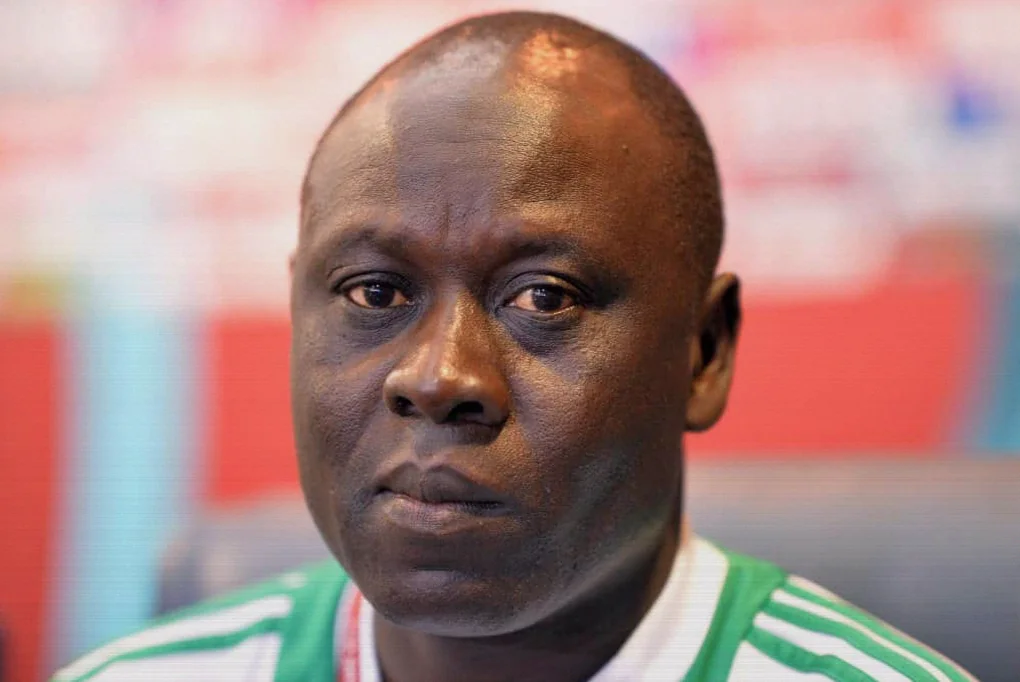
Nigerian youth coach Manu Garba believes Norway’s remarkable 2-1 victory over Brazil in the World Cup Round of 16 was driven by a blend of psychological sharpness, physical readiness, tactical clarity and mental toughness—and he argues the South Americans were punished for their overconfidence.
Garba, who previously won the 2007 FIFA U-17 World Cup as assistant to the late Yemi Tella before taking charge to lift the trophy himself in 2013, and later added the 2015 CAF U-20 Africa Cup of Nations title to his record, said Brazil’s reputation and past success ultimately counted for little once Norway established control of possession. In his view, the key was that Norway not only managed the ball better, but also out-thought Brazil on the pitch.
“Brazil believed they could win because of their football history, and they were arrogant,” Garba said. “They couldn’t outwit the Norwegian players in terms of ball control and intelligence.”
He pointed to Erling Haaland’s decisive impact, with a brace that included a header, as the defining element behind one of the tournament’s biggest shocks so far. Garba described the Manchester City striker as among the best centre-forwards in world football, highlighting that he can threaten opponents both in the air and with his play on the ground.
“Norway were more purposeful and disciplined, and most importantly they were clinical in front of goal,” Garba added. “Haaland scored two excellent goals, especially the header. He is one of the best centre-forwards in the world and a ruthless finisher, particularly inside the box—strong in the air and effective on the ground.”
On the race for the tournament’s Golden Boot, Garba refused to name a single clear favourite. He stressed that many of the leading scorers—among them Haaland, Harry Kane of England, Kylian Mbappe of France and Lionel Messi of Argentina—are operating at career-best levels and remain capable of claiming the award.
Looking ahead to Thursday’s meeting between France and Morocco, Garba described France as a contender for the World Cup title, but insisted Morocco possess the quality to disrupt them and compete on the highest stage.
Garba’s criticism of Brazil’s attitude mirrors the wider reflection happening within Brazilian football itself after Sunday’s loss. Rather than moving to change course through a coaching shake-up, the immediate response has been to keep faith with Italian coach Carlo Ancelotti.
Brazil’s football director, Rodrigo Caetano, confirmed that Ancelotti will stay in charge of the Selecao through the 2030 World Cup cycle, even after the Round of 16 defeat at Norway’s hands extended Brazil’s wait for a sixth world title to at least 28 years. Caetano said the 67-year-old, who secured a contract extension in May running until 2030, would not be dismissed after a single disappointing tournament.
“He is our coach and will be throughout this cycle,” Caetano said. “One of the main reasons we fell short at this World Cup was not having proper, stable long-term guidance that would have prepared our national team in the right way for a World Cup. We cannot repeat the same mistake again.”