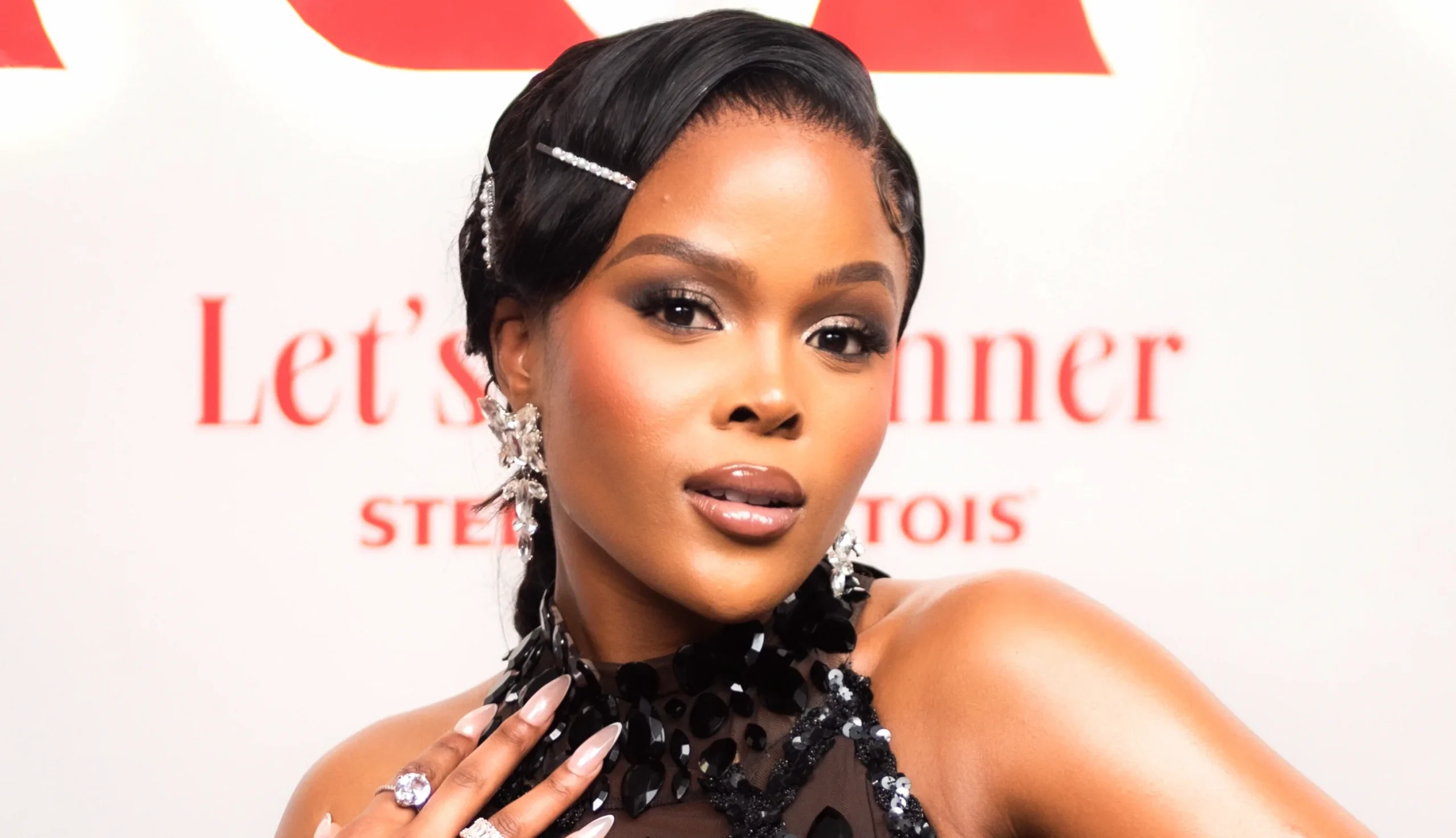
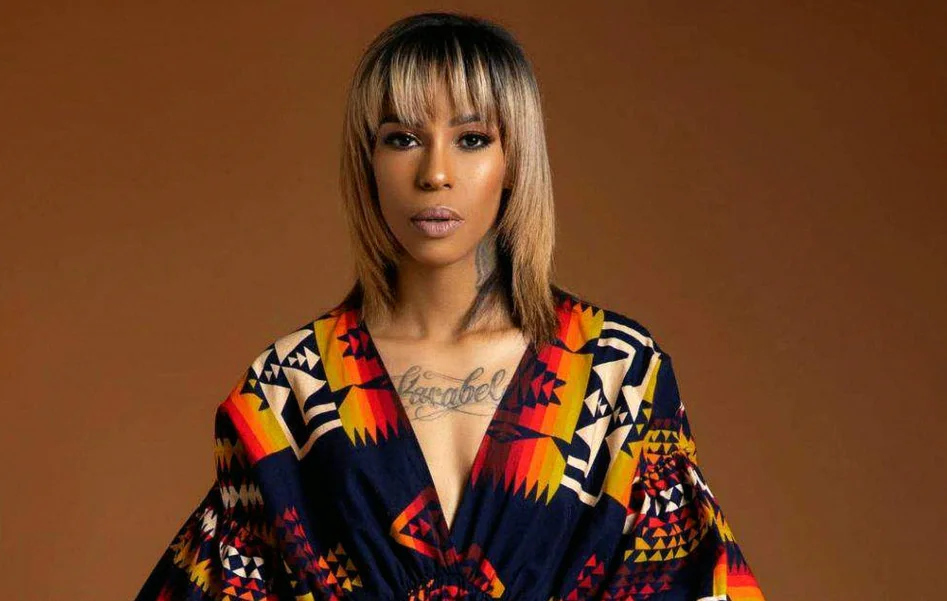
There’s a softness in radio host Sam Lehoko that didn’t used to be there—something that only shows up after you’ve had to survive yourself and come out the other side with steadier ground beneath your feet.
Every weekday morning, she’s up before the day fully kicks in. She prays, meditates, and makes coffee as the home gradually wakes around her, setting the tone for a routine that’s busy but no longer chaotic.
Once the rhythm starts, it’s straight into motion: school drop-offs, football training, cricket kit prep, messages from her team, and wedding plans written into notebooks. Then come her radio duties on 947, recovery sessions, boxing workouts, and long late-night talks with her fiancé about flowers, family, and what “forever” is supposed to feel like.
Her career began in 2014, when she worked across television and radio, stepped away briefly, and later returned. “Sammy Sosa,” as many listeners still affectionately call her, says she’s less focused on fame now and more focused on peace—on doing the work she loves while keeping herself grounded.
“It feels great to be back on the radio,” she says, adding that people in the entertainment industry sometimes need to take a step back. “This is something that I have always loved doing.”
There’s gratitude in her voice now, along with a kind of carefulness. In her view, the spotlight doesn’t get to define her anymore. What matters is purpose and presence—especially for someone who once stepped away from television and radio to save herself. Being able to sit behind the microphone again, she says, feels almost sacred.
“Prioritising one’s mental and emotional well-being is everything,” she explains. “The times when I was away from TV and radio are when I focused on myself the most.”
Those absences weren’t the glamorous kind people speculate about. They were difficult, necessary resets. In 2020, still grieving her father’s passing and privately facing addiction, Sam removed herself from almost everything—including family.
Now, she speaks about that period with striking honesty. “This year I celebrate six years of sobriety,” she says. “I now live a life of purpose. I am intentional about everything that I do.”
Where she once described herself as “negative, toxic, and self-absorbed,” she now talks in a different language: accountability, spirituality, service, and becoming. “There are three parts to us. The person we were, the person we are now, and the person we are becoming.”
And for her, that change isn’t only heard through her voice—it’s visible in the life she’s building beyond the microphone.
On 24 June 2026, Sam plans to marry her fiancé, Tristan, at an intimate winter wedding in Pretoria. The celebration will be for 54 guests, with the overall look leaning into cream and beige tones, autumn colours, tall trees, candlelight, and the crisp feel of cold air.
The reception will include one long table designed to bring strangers together, with guests encouraged to sit side by side. Speeches will be delivered from seats rather than podiums, and the music lineup is expected to move across every imaginable genre.
As part of the ceremony, there will also be an empty chair set aside for her late father, decorated with flowers and his photograph.
“I’ll definitely have a seat for him at my ceremony,” she says. She notes that her relationship with Tristan didn’t begin with dramatic romance—it grew from familiarity. Tristan had gone to boarding school with her younger brother, and he had even attended her father’s funeral years before they became close. Later, they reconnected at a recovery meeting, where she initially saw him as “another younger brother” who needed support.
From there, things unfolded through a football tournament, endless conversations, and a growing willingness to be honest and vulnerable. Eventually, the connection deepened into a love neither of them had to force.
“For the first time in my life, this feels effortless,” she says.
The proposal followed the same theme of simplicity. There was no big restaurant moment and no kneeling—just a straightforward question asked casually at home, answered with certainty.
In many ways, that same approach is shaping both their wedding and their relationship. They’ve chosen not to take on loans for something lavish and over-the-top, trimmed their guest list, avoided outside opinions, and prioritised intimacy over performance.
“The wedding is one thing, but the marriage is something totally different,” Sam says. Rather than getting lost in extravagance, the couple has focused on marriage counselling, recovery work, and creating emotional safety together.
“We are two whole people coming into a relationship to love, celebrate, and care for one another,” she says.
For Sam, happiness is no longer something you chase like a thrill. “A second chance at happiness means I no longer have to chase escape. I can build a life I don’t want to run from.”
It’s the most powerful line she offers throughout the conversation—and the clearest sign of what she’s been working toward. After everything, she’s a woman who finally feels at peace with herself.