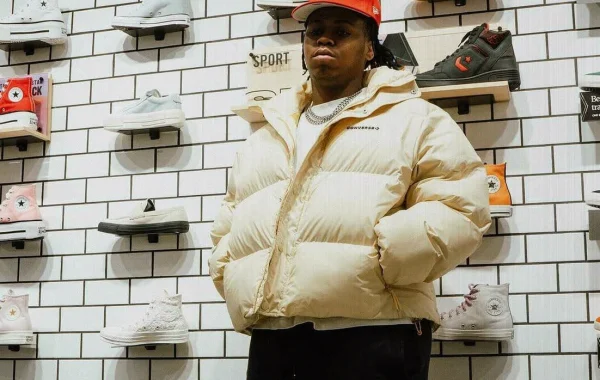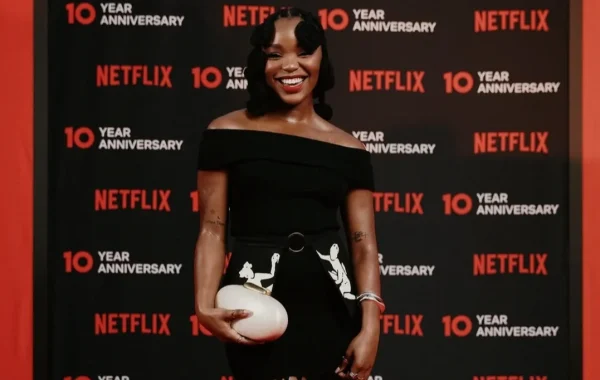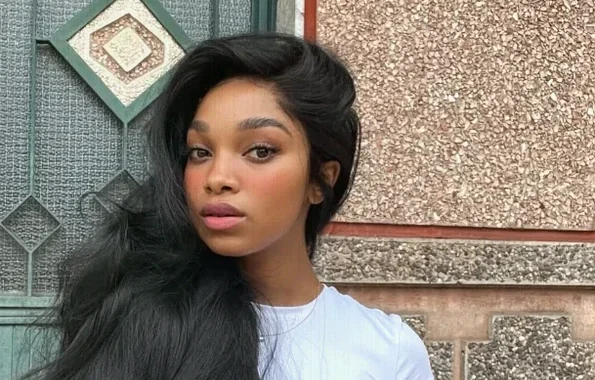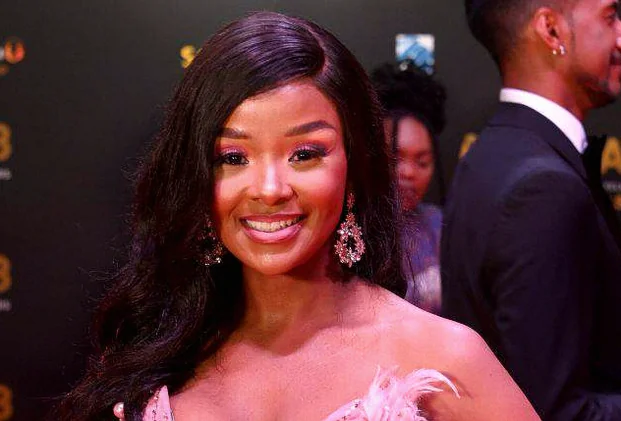
Nonhle Thema is once again sparking big conversations across South Africa—this time not because of a fresh TV role or a new music release, but due to a radio chat that has divided opinions online.
The media personality, known in the past for hosting on O-Access and V-Entertainment, joined Thando Thabethe on 947’s Your Story on 17 July. During the interview, she looked back on her career and shared what she believes is her lasting impact on South African pop culture.
What Thema says she brought to South African internet culture
- The moment that set timelines buzzing came when Thema claimed she personally introduced X (formerly known as Twitter) to South Africa after discovering the platform while she was in the United States.
- She added that South African fans reportedly signed up in large numbers specifically to follow her, tying her name to the early wave of local interest in the platform.
- From there, Thema also said her family was among the first Black families to move into Bryanston, an upscale suburb in Johannesburg, dating the move to 1990.
As with many viral moments, the clip quickly spread. Viewers shared screenshots of Thando’s reactions during the interview, and some social media users found her understated expressions entertaining—while others focused less on the reactions and more on the claims Thema made.
Not everyone was amused. Former music executive Nota Baloyi posted a strong defence of Thema, arguing that she helped open doors for a generation of Black South African entertainers and should be celebrated rather than mocked. In his remarks, he went so far as to suggest that Thando should “worship the ground Nonhle walks on.”
While the debate played out, older content from Thema also resurfaced—particularly clips connected to her reality show Nonhle Goes to Hollywood. Fans also dug up footage showing her alongside major stars including Rihanna, Snoop Dogg, Chris Brown, Lil Wayne, Kelly Rowland, and 50 Cent, with supporters pointing to those moments as proof of how wide her influence once stretched.
After the wave of responses, Thema returned to the conversation by reposting a clip that highlighted her career. She paired it with a message of appreciation for people who defended her online.
“You guys are so sweet. Thank you, SA, for standing up for me. I love you so much…I see you. #GodBless,” she wrote in the caption.
Even for those who are unconvinced by every detail from the interview, one theme keeps resurfacing: Thema’s role in shaping the early days of South African celebrity social media culture—whether viewed as a positive legacy or a controversial claim—remains firmly in the spotlight.