An AI-generated audio version accompanies this story. South Africa is producing no shortage of young animation students, but too few studios, limited funding and a lack of practical workplace opportunities are leaving many graduates struggling to break into the business, Dreamforge Creative executive producer Isabelle Rorke has said.
A growing talent pool with too few openings
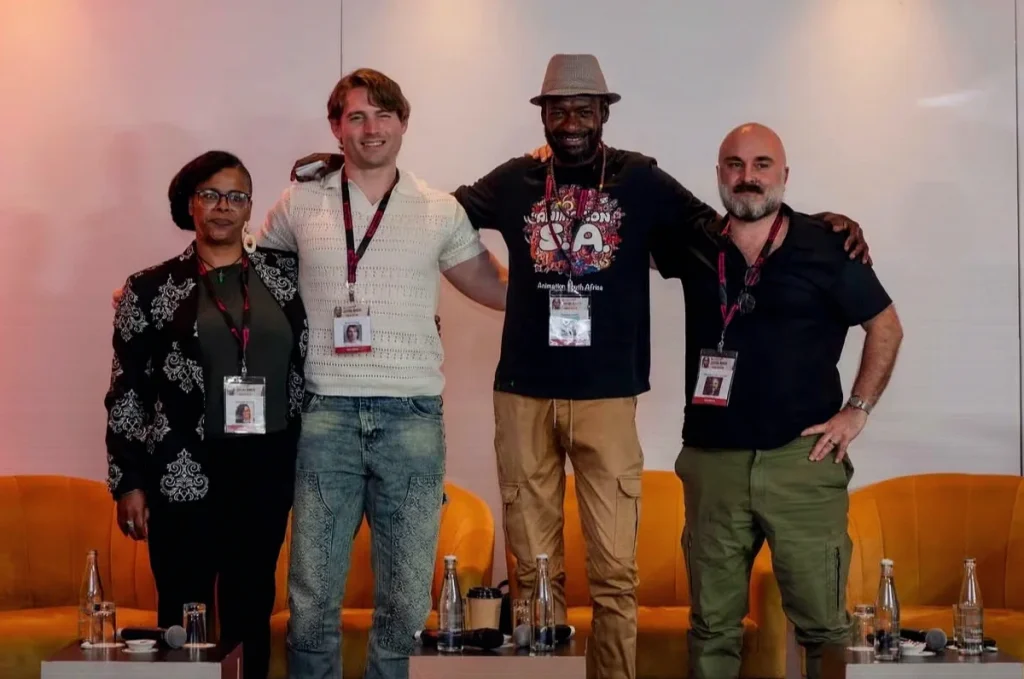
Rorke addressed the issue during the Durban FilmMart, where she joined a panel examining marketing, distribution and community-building in the animation and gaming sectors. She said the field could become a major source of employment for young people, but required more companies able to turn creative abilities into long-term livelihoods.
She said there were simply more young people graduating from animation programmes than the industry could currently employ.
The obstacle is not limited to securing a position at an animation studio.
- Animation productions are costly to make.
- Internship placements remain scarce for newcomers seeking experience.
- Producing screen animation demands a large team of highly skilled professionals, not only artists.
- The sector needs more people with entertainment-business expertise, including financing projects, promoting content and developing audiences.
Training costs and alternatives beyond studios
Formal education costs, together with the shortage of organised internship schemes, add further hurdles for aspiring animators. Rorke noted that studios must cover computers, software, workspace and mentorship when taking on interns, making such programmes expensive to run.
Still, she stressed that animation graduates should not focus exclusively on jobs at animation companies. Their abilities can also be useful to corporate businesses, advertising agencies and media organisations.
She identified several additional formats through which creators can connect with viewers and potentially generate income:
- Motion comics
- Animated graphic novels
- Animated e-books
Rorke said educational institutions also needed to better equip students with an understanding of the commercial side of the field. Instead of depending entirely on studios to hire them, graduates should be taught to create their own projects and cultivate online audiences.
Incubators, incentives and building independent careers
More incubators and accelerator programmes are needed to help emerging creatives transform concepts into commercially workable productions, Rorke said.
She highlighted a KwaZulu-Natal start-up incubator that had started trialling its initiative with two candidates. While developing business plans, marketing approaches and distribution strategies, the pair were already creating AI-animated advertisements.
Rorke welcomed the return of the Department of Trade, Industry and Competition’s production rebate after it had been unavailable for two years, saying major productions relied on this type of assistance.
She also warned that South African companies taking part in co-productions may be pushed into giving overseas collaborators a bigger portion of their intellectual property.
Creating opportunities instead of waiting for them
Despite the pressures facing the sector, Rorke said young South Africans still had routes into animation. Free online educational tools and software can offer an entry point to people unable to pay for formal studies.
She said young creatives could improve their prospects by taking practical steps:
- Establish their own businesses or projects.
- Seek out clients.
- Promote their work.
- Build direct relationships with audiences.
Those efforts, she said, can help emerging talent shift from waiting for a chance to creating one themselves.