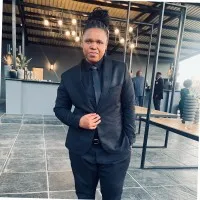
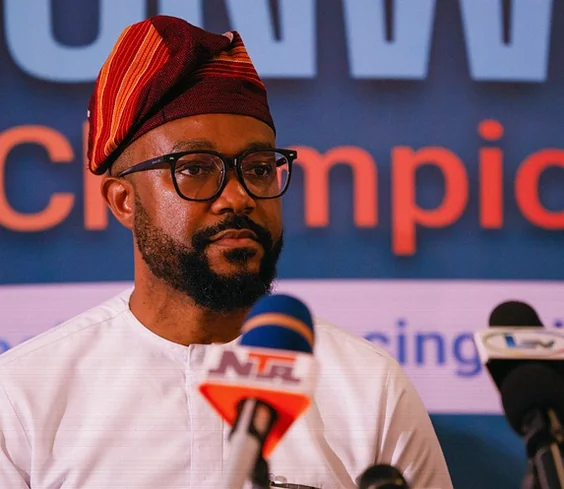
Adeyinka Samuel, president of the Nigeria Fencing Federation (NFF), has been elected to lead the Commonwealth Fencing Federation (CFF) after defeating incumbent Marie-France Dufour by 14 votes to six at Saturday’s elective Annual General Meeting on August 8.
Samuel makes history
- The election took place at Rugby School Nigeria in Lagos’ Eko Atlantic City, making Samuel the first Nigerian and the first African to become CFF president.
- His victory ended a succession of CFF leaders from countries such as Scotland, Australia and Canada.
- The vote was held shortly before Nigeria hosts the 2026 Commonwealth Fencing Championships from August 9 to 14 at the same venue. It is the first edition of the event to be held on African soil.
- More than 20 countries are expected to take part, with medals being awarded in the Under-23 and wheelchair fencing events for the first time.
Nigeria’s championship squad
Nigeria will field 25 fencers at the championships, comprising 13 able-bodied athletes and 12 para fencers. The selection includes locally developed competitor Wisdom Okolawon and Britain-based sabre specialist Folayemi Akinyosoye.
At a media briefing ahead of the competition, Samuel recalled that a Nintendo game was his first introduction to fencing. The two-time Commonwealth Games representative described bringing the championships to Nigeria as a deeply emotional achievement.
He also identified Olympic participation as Nigeria’s next major objective in fencing, saying a Nigerian presence at the Games could be a “game changer” for the sport nationally.
Dufour, speaking at the same briefing, offered her best wishes to Nigeria’s competitors. She said qualifying for the Olympics remained fencing’s highest ambition, while strong performances at the Commonwealth Championships and other International Fencing Federation (FIE) competitions would help advance that goal.
Support for the sport
Organising committee member Olaitan expressed gratitude for assistance from the government and sponsors. The official also praised parents who pay for equipment and help develop discipline among young fencers.
Seventeen-year-old épée competitor Adebodunrin Thomas said fencing had strengthened his time management and self-discipline while also creating new opportunities.
During Samuel’s tenure at the NFF, Nigeria has staged FIE-approved Junior World Cups and African Championships. The country is now also the first in Africa to host the Senior Commonwealth Fencing Championships.