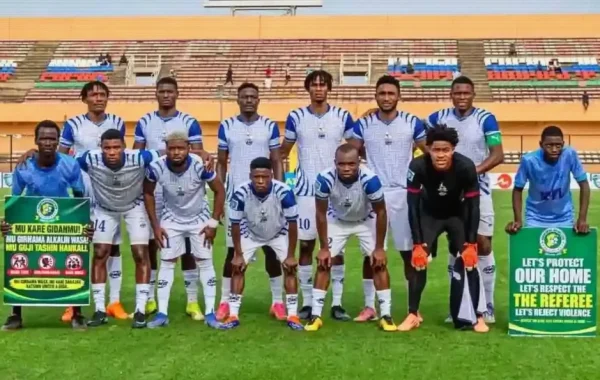
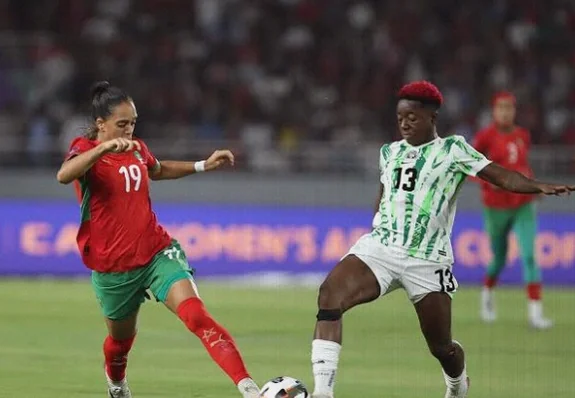
The Super Falcons have been the dominant force in African women’s football for decades, claiming 10 Women’s Africa Cup of Nations (WAFCON) crowns. With Morocco set to host the 14th edition of the competition, Nigeria arrive as the defending champions and clear favourites. Still, beneath the optimism there is unease over preparation levels and ongoing welfare matters—issues that could affect their push for a record-extending 11th continental title.
On Tuesday, Nigeria begin their title defence when they face Malawi. It will be more than just another opening match: the Super Falcons carry the expectations of millions of Nigerians and the burden of a proud legacy built by the most successful women’s team on the continent.
Quick facts
- Nigeria are defending champions at the 14th WAFCON in Morocco.
- The Super Falcons have won 10 WAFCON titles already; an 11th would extend their record.
- A top finish also guarantees one of Africa’s places at the 2027 FIFA Women’s World Cup.
- Gift Monday and Deborah Abiodun arrived in camp on Thursday afternoon after flight disruptions.
- Nigeria’s Group C opening match is against Malawi, with Zambia and Egypt also in the group.
- CAF has doubled the winners’ prize money from $1 million to $2 million.
- Nearly a year after winning the historic 10th title, some players are still awaiting promised benefits including naira-equivalent payments of $100,000 each.
Those 10 previous triumphs mean Nigeria carry an unmistakable standard into Morocco. Securing an 11th would deepen their control of the competition and also place them in line for African qualification to the 2027 FIFA Women’s World Cup.
For all the confidence around the squad, the build-up has not been perfectly smooth. Two key members of coach Justine Madugu’s roster—Washington Spirit duo Gift Monday and Deborah Abiodun—only reached camp on Thursday afternoon following disruptions to their flights. That left them with just over five days before Nigeria’s first Group C fixture against Malawi, and the group stage also features Zambia and Egypt. In a tournament where timing and understanding can decide close contests, every training day takes on extra importance.
While the delay may not have been caused by the team themselves, it underlines a recurring problem that has repeatedly affected Nigeria’s national sides: limited preparation before major tournaments.
Esther Okoronkwo, a standout voice for the team, highlighted what proper preparation can change. She argued that squads must be ready for every opponent and that chemistry is built in camp, insisting Nigeria should take maximum advantage of every FIFA window available without interruption. Her message speaks directly to the challenge Nigeria are trying to manage right now.
Women’s football across Africa has accelerated quickly in recent years. Nations that once sat firmly in the “underdog” bracket now boast players who compete professionally in Europe and North America, and the days of automatic wins are over.
Even Chiamaka Nnadozie, named Africa’s Goalkeeper of the Year, has stressed the danger of complacency. She said Nigeria will take the tournament one match at a time and cannot afford to slip because of over-confidence. That mindset is exactly what Nigeria need if they are to navigate a tougher, more competitive WAFCON.
Competition gets tougher
Malawi are making their way into the tournament, while Zambia are home to one of the continent’s most threatening attacks. Egypt, meanwhile, have continued to improve. With every opponent demanding respect, Nigeria’s challenge is to stay focused and execute their game plan consistently.
Defender Oluwatosin Demehin believes the expanded 16-team format will raise the difficulty compared with previous editions. She said the competition will be harder because more sides are strengthening, adding that Nigeria must remain consistent, stay compact at the back, keep the midfield mobile, and be sharp in front of goal.
Those remarks sum up the task ahead. Nigeria still have plenty of proven ability, though—captain Rasheedat Ajibade leads an experienced group that includes Asisat Oshoala, Jennifer Echegini, Toni Payne, Christy Ucheibe, Michelle Alozie, Francisca Ordega, and Nnadozie. Alongside them is a promising wave of younger players such as Joy Omewa, Fatima Oloko, and Folashade Ijamilusi, offering fresh energy for Morocco.
For 18-year-old goalkeeper Fatima Oloko, the tournament is the realisation of a long-held ambition. The NWFL Goalkeeper of the Season described her first call-up as a dream coming true, admitting she felt nervous but excited to train alongside her idol, Nnadozie. Her pathway from Abia Angels into the national team also reinforces how Nigeria’s domestic league continues to develop talent worthy of opportunities on the biggest stage.
Joy Omewa carries a similar sense of excitement. The BK Häcken forward said her first appearance at WAFCON felt like another dream fulfilled, and she is determined to help Nigeria chase an 11th title whenever she is called upon. That drive, combined with youthful enthusiasm, could prove a key asset for the Super Falcons in Morocco.
Chinwendu Ihezuo’s return after injury adds another positive storyline. The striker believes the tournament will be even more demanding because the stakes go beyond continental glory, with qualification for the World Cup also involved. She acknowledged it will be tougher, but expressed confidence in the squad, its togetherness, and its hard work—suggesting unity could be the deciding factor.
No player captures that team spirit better than Okoronkwo. After last year’s campaign, she said that individual achievements do not matter as much as success for the country. “Winning another WAFCON is more important than any individual award,” she stated—an attitude that has defined Nigeria’s women’s side for generations. Whether it is scoring, providing assists, or defending, the badge comes first.
Even so, there is a major concern that cannot be overlooked. Nearly a year after Nigeria won their historic 10th WAFCON title, many squad members are still waiting for the Federal Government to deliver on a promise of naira-equivalent payments of $100,000 for each player. Reports also indicate additional support was promised in the form of houses and national honours. The announcement sparked excitement across the country following the triumph, but many of those rewards remain outstanding. That delay should matter to everyone in Nigeria.
Recognition should never be treated like a simple reward for good timing—it is payment for national service and an important motivator for future success. With President Bola Ahmed Tinubu’s administration now heading into another sporting test period for the team, there is still a chance to send a clear message before the next difficult campaign begins. Paying what was promised would reassure the players that their sacrifices are valued, and it could encourage the next generation to wear Nigeria’s colours with pride, knowing excellence will be properly acknowledged.
CAF has already shown its commitment to women’s football by doubling the winners’ prize to $2 million, up from $1 million. African football continues to invest in the women’s game, and Nigeria are expected to match that direction by valuing the players who have repeatedly delivered glory for the country. These athletes have never lacked patriotism; despite recurring administrative obstacles, they continue to answer every national call. They deserve genuine support as they prepare for another demanding mission.
Ultimately, football is decided on the pitch, not in boardrooms. The Super Falcons have the quality, experience, and character required to conquer Africa again. Their squad blends established stars with fearless young players, their coach has earned the team’s confidence, and the objective is straightforward: defend the trophy and qualify for the 2027 FIFA Women’s World Cup. Yet the journey would be even more meaningful if the women carrying Nigeria’s hopes feel fully appreciated before the tournament’s first whistle.
Mission 11 starts against Malawi. History suggests Nigeria know how to close out the job when the moment arrives. Now the responsibility is to do their part—supporting the champions not only with words, but with actions that properly reflect the immense contribution they have made to Nigeria’s sporting pride.