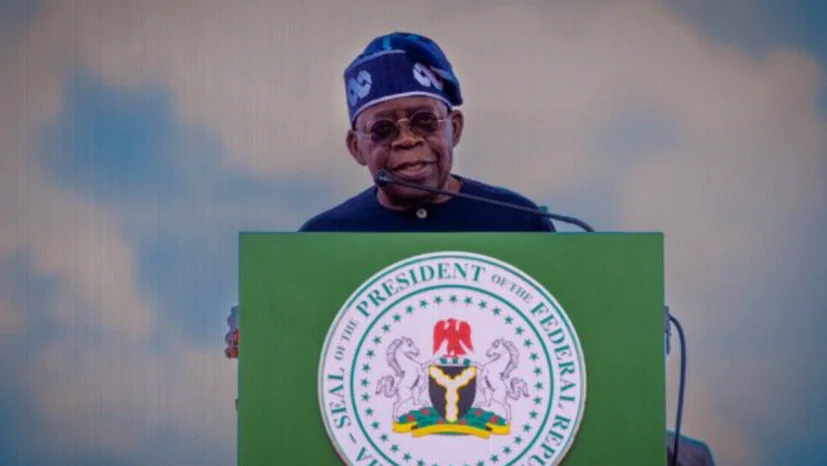
President Bola Ahmed Tinubu has instructed a wide-ranging overhaul of Nigerian football after a series of poor results left both the men’s and women’s senior national teams outside major international tournaments.
The President said the changes were needed to confront long-standing structural problems that have prevented Nigeria from consistently turning its deep pool of talent, substantial public funding and strong fan base into success on the pitch.
Why reform is being pursued
- Nigeria’s Super Eagles missed the 2026 FIFA World Cup, extending the country’s absence from the competition to two successive editions after their failure to reach Qatar 2022.
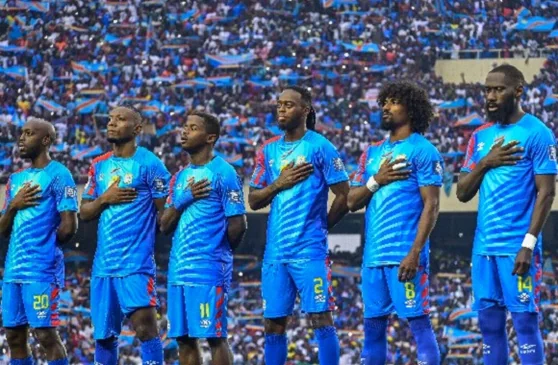
- Their bid to qualify for the expanded 48-team tournament ended in November 2025. Following a 1-1 draw with the Democratic Republic of Congo in the African play-off final in Rabat, Morocco, Nigeria lost the penalty shoot-out 4-3.
- The disappointment was compounded by the fact that Nigeria had entered qualifying as the seeded team in its group but finished behind South Africa in second place before reaching the play-offs. The campaign was further disrupted by coaching turnover and administrative disagreements concerning unpaid allowances and bonuses.
- The Super Falcons then suffered their own major setback. After being eliminated in the quarter-finals of the 2026 Women’s Africa Cup of Nations, they failed to obtain a direct place at the 2027 FIFA Women’s World Cup and subsequently lost the decisive qualifier 2-1 to South Africa.
- That result means the nine-time African champions will miss the women’s global tournament for the first time since the competition began in 1991.
- Growing criticism of the country’s football leadership culminated on Thursday with the resignation of Nigeria Football Federation president Ibrahim Musa Gusau and several senior executive members.
The proposed overhaul
In a statement released on Thursday by his Special Adviser on Information and Strategy, Bayo Onanuga, Tinubu said the exercise must tackle more than short-term sporting results and instead address the underlying weaknesses in the way the game is run and developed.
He said the programme should strengthen governance and administration, improve stakeholder representation, create clearer development routes, raise the standard of domestic competitions and enforce accountability throughout Nigerian football.
Tinubu noted that several other sports had made progress since the National Sports Commission was re-established, while football remained held back by entrenched structural shortcomings.
He therefore instructed the commission’s chairman to cooperate with the NFF Secretariat and relevant figures across the sport. Their task will be to preserve administrative continuity while leading a consultation-based reform programme.
The process will include engagement with FIFA and the Confederation of African Football to ensure Nigeria remains compliant with its international responsibilities.
Tinubu urged football officials, players and other stakeholders to support the transition and help build a stronger, more transparent and more accountable football system.