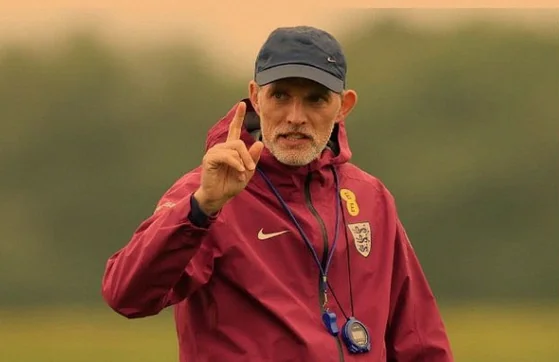
England manager Thomas Tuchel has pushed back against renewed scrutiny over Bukayo Saka being left out of the semi-final against Argentina, insisting his call was shaped by medical caution after the winger’s standout performance in the third-place playoff.
Key takeaways
- Tuchel said leaving Saka out of the semi-final was a difficult decision, driven by concern over an Achilles issue.
- He explained that Morgan Rogers was selected because his physical presence was viewed as a better fit for the Argentina match.
- England’s semi-final defeat to Argentina on Wednesday drew criticism, particularly around the team’s defensive approach after they went ahead early in the second half.
- Tuchel pointed to the need for an immediate response on the pitch rather than getting pulled into debate off it.
- England secured third place by beating France 6-4 at Miami Stadium on Saturday, their best World Cup showing since triumphing as hosts in 1966.
- The manager described the bronze medal as a first for 60 years, while acknowledging it still feels painful for a squad that had aimed to win the tournament.
Tuchel defends Saka omission
Tuchel acknowledged that excluding Saka from the semi-final was not an easy choice. He said the key factor was the Achilles injury the winger had been managing for months, with the decision made to prioritise caution. In his place, Tuchel turned to Morgan Rogers, arguing that the forward’s physicality would suit the demands of the contest against Argentina.
Tuchel also revealed that Saka had been involved in pre-match preparation, warming up multiple times as a potential substitute. However, with the game developing into a chaotic situation, England ultimately went with a different plan “so crazy” that it removed Saka from the final option for the match.
Reaction after criticism and bounce-back in Miami
Tuchel’s comments come after England faced heavy backlash following their 2-1 semi-final loss to Argentina on Wednesday. Much of the criticism centred on what many viewed as conservative defensive tactics following England’s early second-half advantage.
Addressing the mood around the aftermath, Tuchel said the day of media engagement “felt as if we went out in the group stage without a win.” He added that rather than dwell on criticism, the team’s priority was to focus on the next fixture. “The best thing you can do is react on the pitch and get the next win,” he said, arguing that extended discussion does not deliver results or points.
That message was put into practice on Saturday, when England overcame France 6-4 in a high-tempo third-place match at Miami Stadium. The result delivered their strongest World Cup finish since they won the tournament as hosts in 1966.
Looking ahead, Tuchel said he wants the squad to eventually take pride in the bronze medal, even though their ambition had been to lift the trophy 18 months earlier. He framed the achievement as significant, calling it England’s first medal in 60 years and describing it as “the best World Cup on foreign soil,” while also stressing the squad’s competitive mindset.
“We are fiercely competitive, so we almost don’t allow ourselves to be proud of the third place,” Tuchel said. “So it’s very, very painful if you miss out. The pain will stay for a while.”