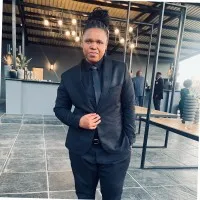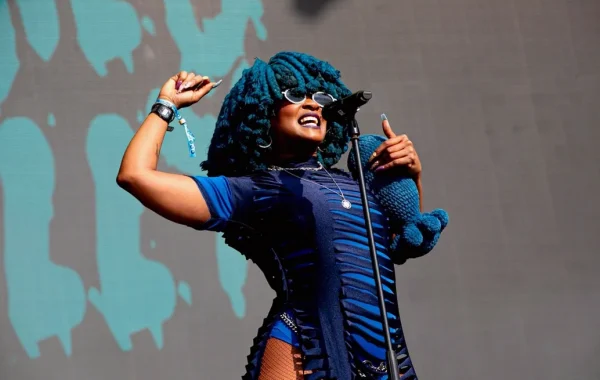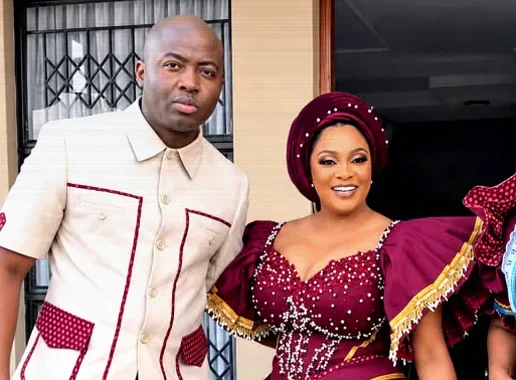
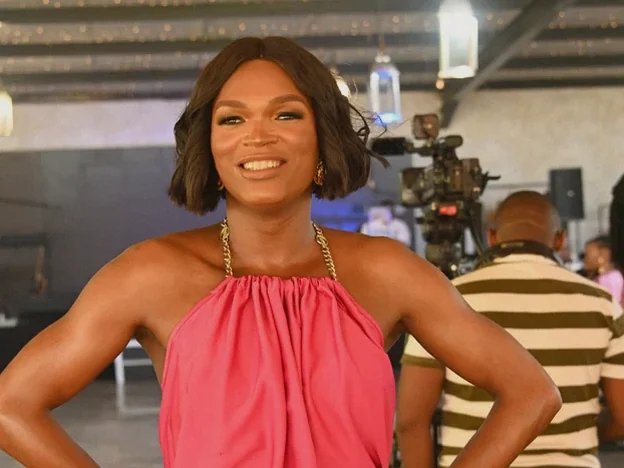
Yaya Mavundla arrived in Amsterdam and found something rare: a place where she did not have to defend or explain who she was.
Quick facts
- Mavundla attended WorldPride Amsterdam 2026 as one of six international advocates.
- The group stayed at KLM Royal Dutch Airlines’ Pride House at Hotel Sofitel Legend The Grand.
- The festival ran from 25 July to 8 August and featured the Canal Parade, a Human Rights Conference and the WorldPride March.
- Representatives came from South Africa, Mexico, New Zealand, Singapore, Brazil and Poland.
The South African LGBTQIA+ cultural worker, activist and media personality grew up in rural KwaZulu-Natal. For years, she has faced pressure to account for her identity to strangers, institutions and even a country whose constitutional promises do not always match the reality on its streets.
At WorldPride, she represented South Africa alongside advocates from five other countries. The international delegation was hosted at the historic Hotel Sofitel Legend The Grand during the Amsterdam festival.
For Mavundla, the gathering created an opportunity to place South Africa’s experience in a wider global discussion: a nation with a progressive Constitution, yet a country where Black trans people still face a significant gap between legal protection and everyday life.
She described her invitation to KLM Pride House as profoundly important. For a South African trans woman, she said, visibility means more than simply being noticed; it means being listened to, acknowledged and treated as a complete human being.
Her conversations with the other five advocates were not about pretending their lives were identical. Instead, Mavundla recognised shared patterns in their struggles, even when the cultural context and terminology differed.
Each participant brought distinct challenges and achievements from their own country, she said. The experience showed her that activism has no single blueprint, and that people can stand together without having matching personal histories.
Amsterdam’s queer history also left a strong impression. Visiting the Queer Amsterdam exhibition prompted Mavundla to reflect on South Africa’s progress, while also highlighting how much more work remains, particularly for Black LGBTQIA+ communities.
She acknowledged the pride many South Africans feel in constitutional LGBTQIA+ protections, but stressed that legal rights are only one stage of a longer process. When questions of opportunity and compensation for Black people enter the conversation, she said, the circumstances differ sharply from those in the Netherlands.
The memory that stayed with her most was the relief of being somewhere LGBTQIA+ people were not required to prove that their lives had value.
Mavundla returned to South Africa carrying that feeling—not as a rejection of home, but as renewed energy for the work waiting for her there.
She said the trip left her more closely connected to both the people she met in Amsterdam and South Africa’s LGBTQIA+ community, which looks to her voice and presence for strength when continuing feels difficult. Sharing those stories, she added, can help make it safer and easier for someone else to tell their own.
Read | From MAXHOSA to Gucci: Model Katlego Masike on why modelling is about presence, not merely recognition