Revenue transfers to Nigeria’s state and other subnational governments increased by 93% in real terms between 2023 and 2025, but the World Bank said the additional funds must produce better public services, higher living standards and lower poverty.
Key takeaways
- State-level revenue allocations rose sharply after Nigeria ended its fuel subsidy.
- The increase was recorded over the two years from 2023 through 2025.
- Governments were urged to use the larger inflows more efficiently and expand investment in human capital.
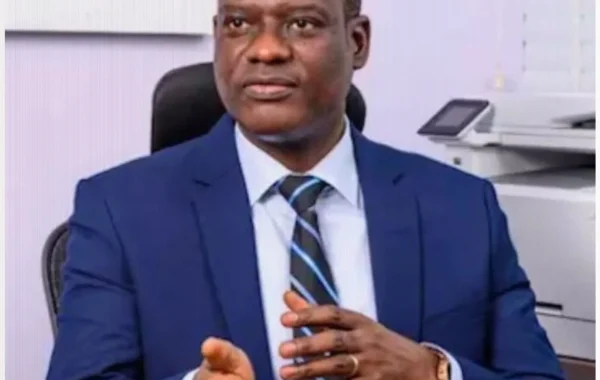
- World Bank Country Director Mathew Verghis said accountability and service delivery would determine whether public funds improve Nigerians’ lives.
Higher allocations raise pressure for results
The World Bank reported the increase in its October Nigeria Development Update, released on Thursday. It said the growth in transfers followed the removal of the fuel subsidy, which changed the distribution of public revenues and strengthened receipts available to states.
However, the bank cautioned that bigger allocations alone would not be enough to ease economic hardship. It said state authorities should convert the additional resources into improvements in living conditions and progress in reducing poverty.
Focus on efficiency and human capital
The institution called on state governments to strengthen budget execution and ensure that spending delivers greater value. It also recommended increased investment in human capital, including areas that can support longer-term improvements in household welfare and economic opportunity.
Mathew Verghis, the World Bank’s Country Director for Nigeria, said better control of expenditure, stronger accountability and more effective public services would be critical. In his view, those measures are necessary for government resources to translate into tangible benefits for Nigerians.